







ATTRACTION
The Grand Palace,
Bangkok


About
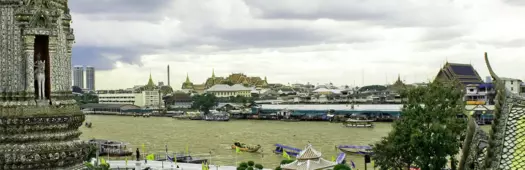
The Grand Palace is Bangkok's most recognisable landmark, but its origins are surprisingly improvised.
When Rama I established his capital here in 1782, fleeing the ruins of Ayutthaya, he was so short of funds that he built the palace entirely of wood. He later sent men upstream to salvage bricks from Ayutthaya's remains. Successive kings rebuilt and gilded what their predecessor had started, especially Rama V in the late 1800s.
Within the complex is Wat Phra Kaew, home to the Emerald Buddha, Thailand's most sacred object. Every king since Rama I has been considered a living reincarnation of the Hindu god Vishnu, a legacy of Indian influence deeper than most visitors realise.
VoiceMap's tours trace this royal lineage along the Chao Phraya River, connecting the palace's makeshift founding to Ayutthaya's fall and explaining how festivals centred on the Grand Palace in 1982 inadvertently created the backpacker chaos of Khao San Road.
When Rama I established his capital here in 1782, fleeing the ruins of Ayutthaya, he was so short of funds that he built the palace entirely of wood. He later sent men upstream to salvage bricks from Ayutthaya's remains. Successive kings rebuilt and gilded what their predecessor had started, especially Rama V in the late 1800s.
Within the complex is Wat Phra Kaew, home to the Emerald Buddha, Thailand's most sacred object. Every king since Rama I has been considered a living reincarnation of the Hindu god Vishnu, a legacy of Indian influence deeper than most visitors realise.
VoiceMap's tours trace this royal lineage along the Chao Phraya River, connecting the palace's makeshift founding to Ayutthaya's fall and explaining how festivals centred on the Grand Palace in 1982 inadvertently created the backpacker chaos of Khao San Road.

Tours featuring the Grand Palace (1)

Religious Sites
Business And Commerce
Ancient History
Sail down the Chao Phraya, where East and West have intermingled for centuries

 Boat Tour
|
 120 mins
Download the app for free
VoiceMap
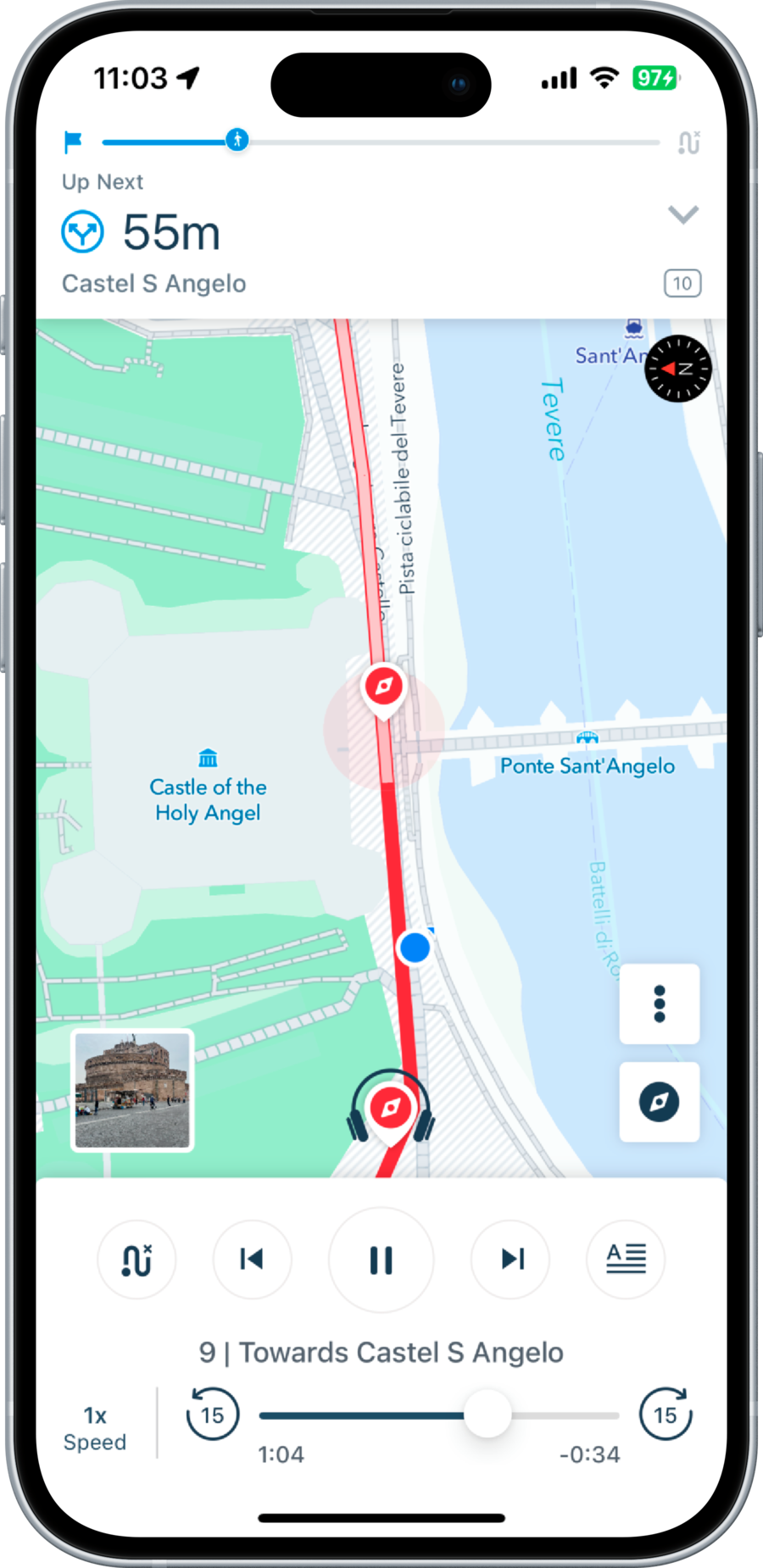
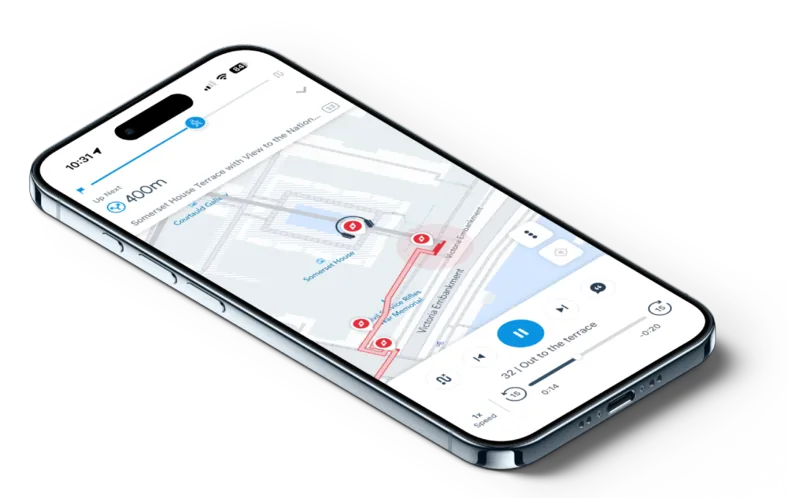
- Download tours to use them offline
- Listen hands-free with GPS playback
- Get turn-by-turn directions


Scan to get app
Download the app for free
VoiceMap




 App of the Day

 Editor’s Choice






Itchy feet? Us too
VoiceMap’s newsletter scratches that itch and stimulates your senses,
every fortnight. Curiosity is the only currency you need to subscribe.

Exploring is easier with a VoiceMap account
To purchase tours, add them to a wishlist, or access them with the VoiceMap app, please sign in or create a VoiceMap account


Exploring is easier with a VoiceMap account
To purchase tours, add them to a wishlist, or access them with the VoiceMap app, please sign in or create a VoiceMap account