







ATTRACTION
Siriraj Medical Museum,
Bangkok

About
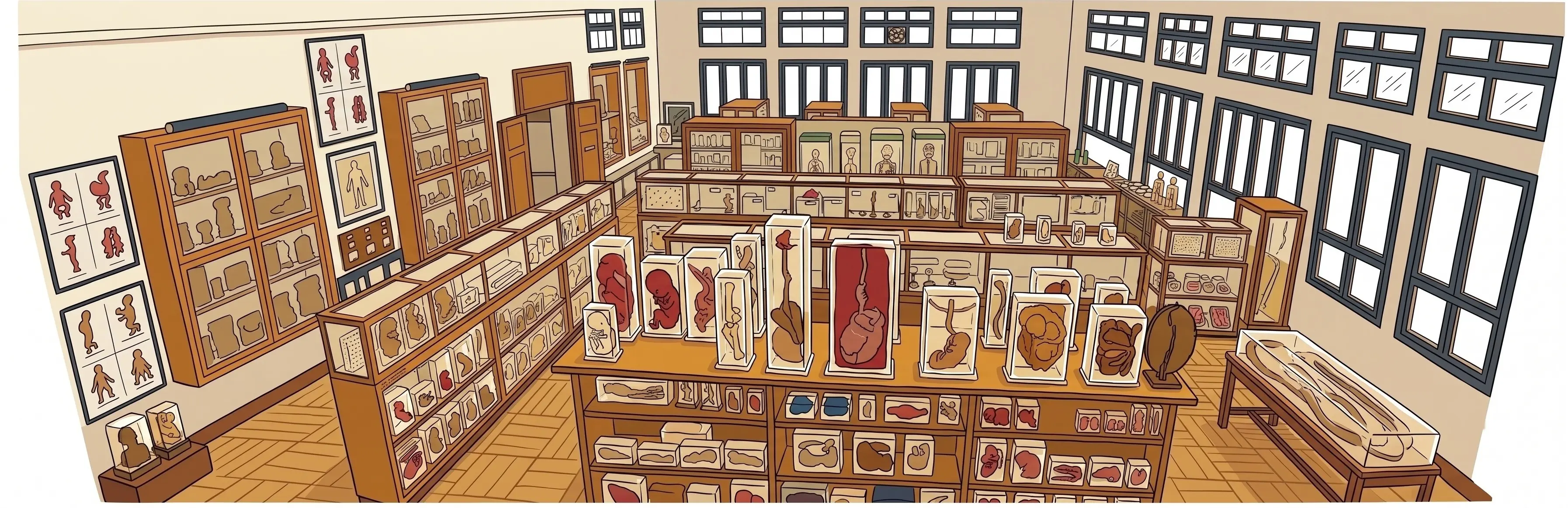
The Siriraj Medical Museum in Bangkok exists because a king's grief demanded it. When King Rama V's infant son died of dysentery in 1888, he channelled his loss into founding Thailand's first permanent hospital on the banks of the Chao Phraya. The museum grew from that institution.
Today, it comprises several collections, of which the forensic wing is the most notorious. Birth defects, stab wounds, tsunami victims, fires, bullet holes: the exhibits are uncensored and, by Western standards, startlingly direct. Among the highlights is the mummified corpse of Thailand's most infamous serial killer and cannibal, as well as a stretch of fence on which someone was fatally impaled, displayed alongside the newspaper clipping.
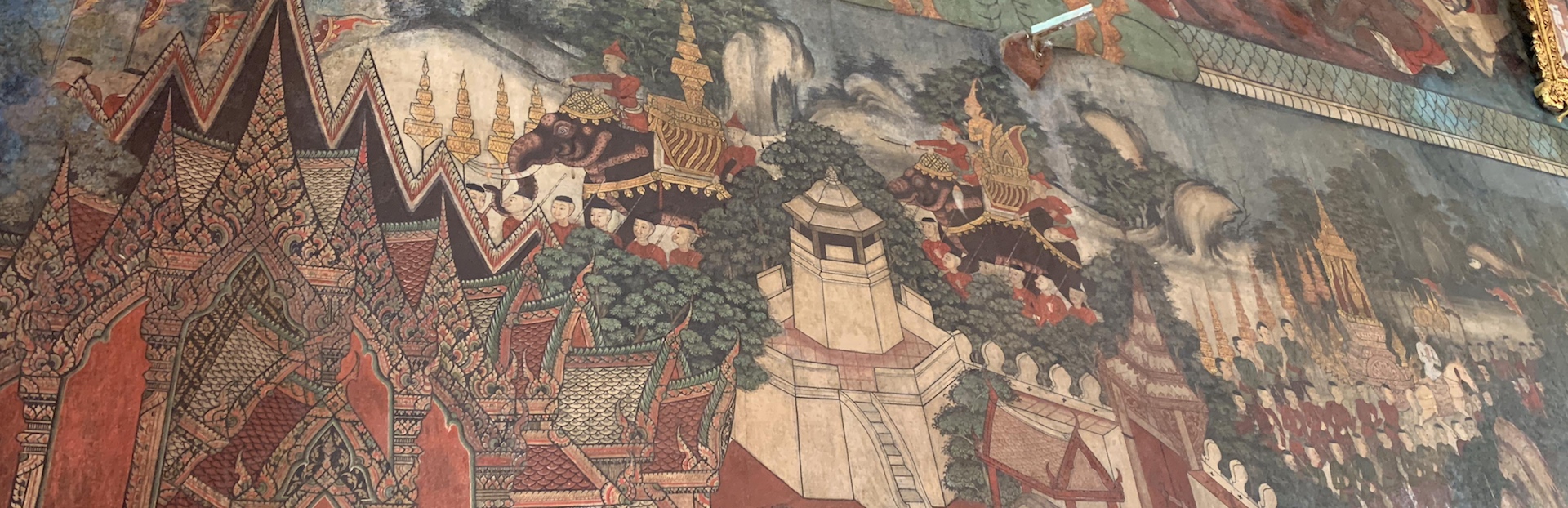
VoiceMap's self-guided tours approach the museum as part of a deeper journey through Thonburi, tracing Siriraj Hospital's royal origins and situating its confrontational exhibits within Bangkok's history of medicine, monarchy and death.
Today, it comprises several collections, of which the forensic wing is the most notorious. Birth defects, stab wounds, tsunami victims, fires, bullet holes: the exhibits are uncensored and, by Western standards, startlingly direct. Among the highlights is the mummified corpse of Thailand's most infamous serial killer and cannibal, as well as a stretch of fence on which someone was fatally impaled, displayed alongside the newspaper clipping.
VoiceMap's self-guided tours approach the museum as part of a deeper journey through Thonburi, tracing Siriraj Hospital's royal origins and situating its confrontational exhibits within Bangkok's history of medicine, monarchy and death.

Tours featuring Siriraj Medical Museum (1)


Fine Art
Neighbourhoods
Scenic Routes
Cruise the historic area surrounding one of Bangkok’s most important waterways

 Walking Tour
|
 90 mins
Download the app for free
VoiceMap
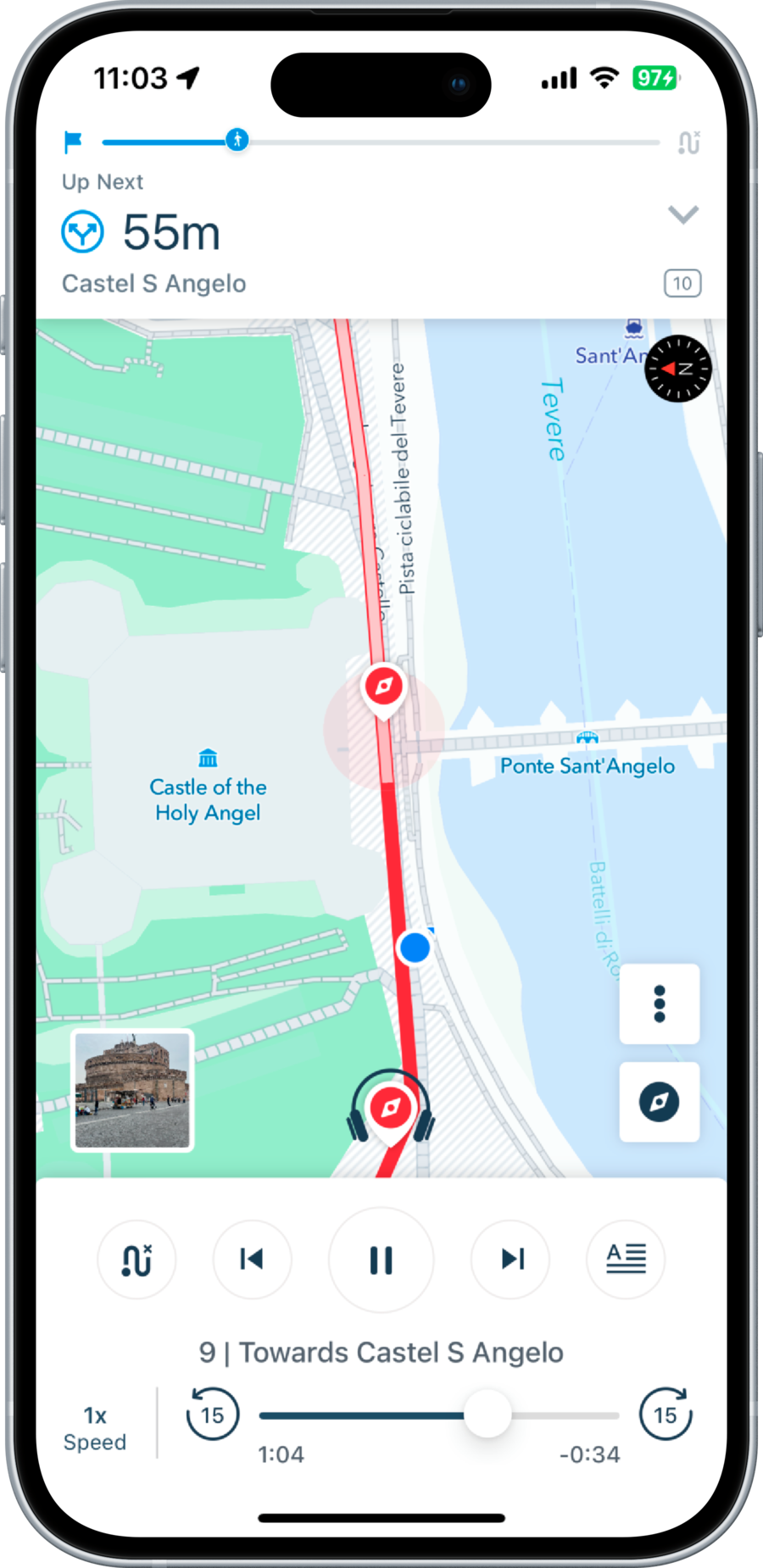
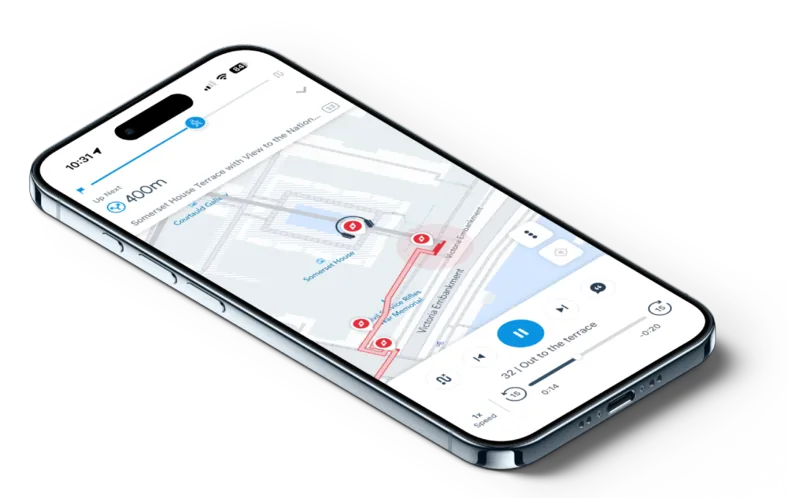
- Download tours to use them offline
- Listen hands-free with GPS playback
- Get turn-by-turn directions


Scan to get app
Download the app for free
VoiceMap




 App of the Day

 Editor’s Choice







Itchy feet? Us too
VoiceMap’s newsletter scratches that itch and stimulates your senses,
every fortnight. Curiosity is the only currency you need to subscribe.

Exploring is easier with a VoiceMap account
To purchase tours, add them to a wishlist, or access them with the VoiceMap app, please sign in or create a VoiceMap account


Exploring is easier with a VoiceMap account
To purchase tours, add them to a wishlist, or access them with the VoiceMap app, please sign in or create a VoiceMap account