







ATTRACTION
King Taksin the Great Bridge,
Bangkok


About
The bridge named after King Taksin is a useful introduction to the man himself: significant, somewhat overlooked, and carrying a story that ends badly.
Opened in 1982 to celebrate Bangkok's 200th birthday, it was the sixth bridge across the Chao Phraya and connects Bangkok to Thonburi, the short-lived capital Taksin established after driving the Burmese out of Siam in 1767.
Taksin was half-Chinese, the son of an immigrant, and a general who reunified a shattered kingdom fast. He crowned himself king at 34. Fourteen years later, his religious fervour had convinced him he was a god. A rebellion removed him from power, and he was executed in the traditional manner: placed in a silk sack and beaten to death with a scented sandalwood club.
VoiceMap's self-guided audio tours begin at the bridge and follow Taksin's riverside city through the Chinese communities, temples and political upheavals that grew from its foundations.
Opened in 1982 to celebrate Bangkok's 200th birthday, it was the sixth bridge across the Chao Phraya and connects Bangkok to Thonburi, the short-lived capital Taksin established after driving the Burmese out of Siam in 1767.
Taksin was half-Chinese, the son of an immigrant, and a general who reunified a shattered kingdom fast. He crowned himself king at 34. Fourteen years later, his religious fervour had convinced him he was a god. A rebellion removed him from power, and he was executed in the traditional manner: placed in a silk sack and beaten to death with a scented sandalwood club.
VoiceMap's self-guided audio tours begin at the bridge and follow Taksin's riverside city through the Chinese communities, temples and political upheavals that grew from its foundations.

Tours featuring King Taksin the Great Bridge (1)


Photography
Scenic Routes
Architecture
Wander past vibrant riverside communities where history meets hipsterdom

 Walking Tour
|
 120 mins
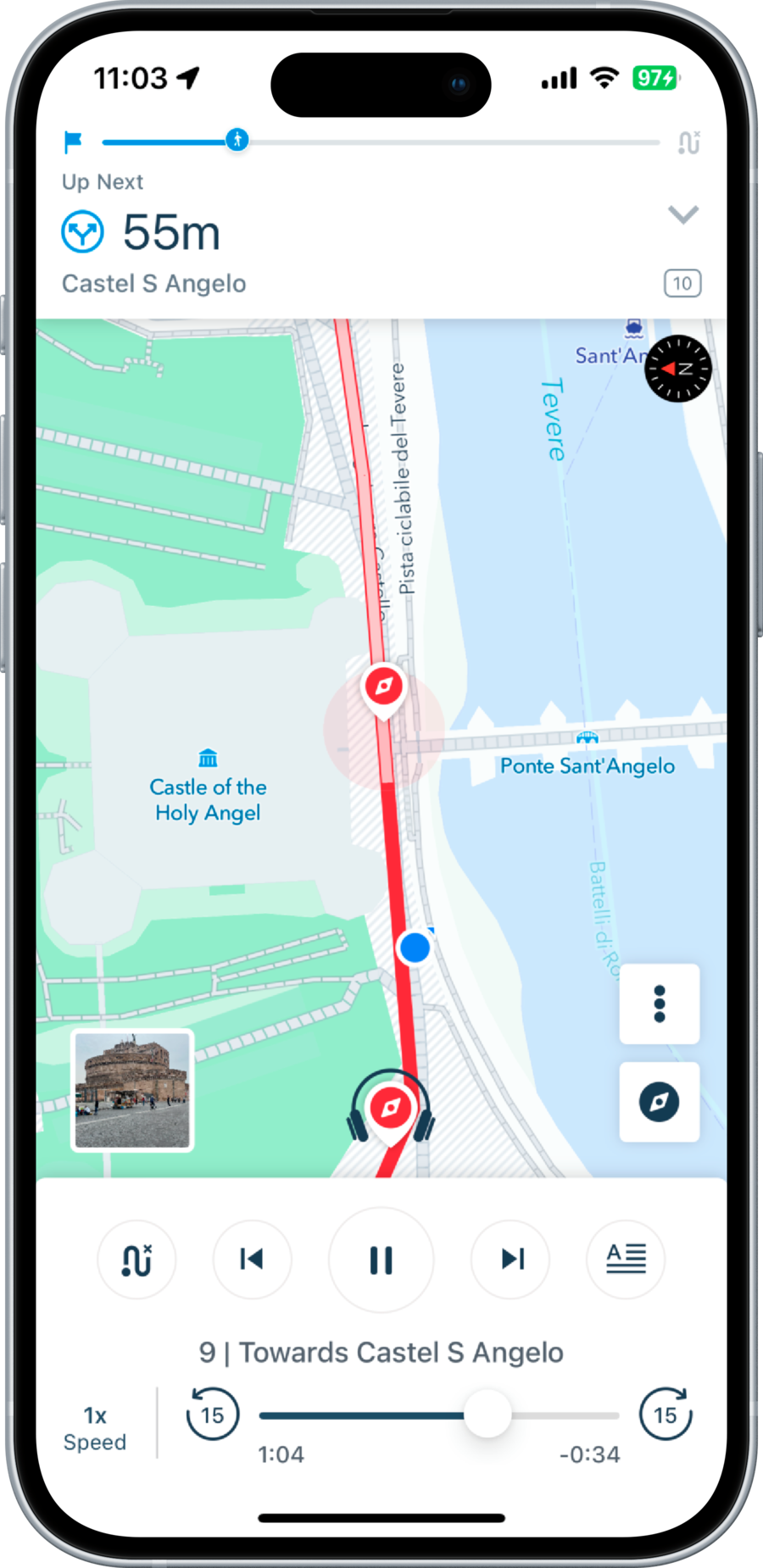
Download the app for free
VoiceMap
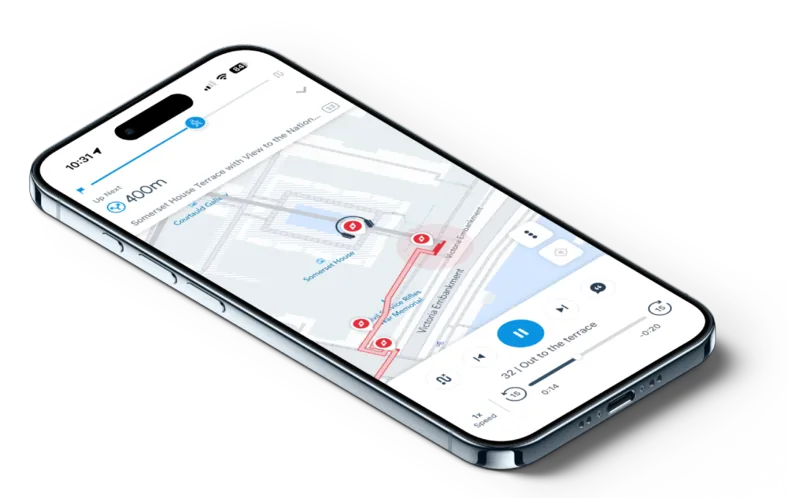
- Download tours to use them offline
- Listen hands-free with GPS playback
- Get turn-by-turn directions


Scan to get app
Download the app for free
VoiceMap




 App of the Day

 Editor’s Choice






Itchy feet? Us too
VoiceMap’s newsletter scratches that itch and stimulates your senses,
every fortnight. Curiosity is the only currency you need to subscribe.

Exploring is easier with a VoiceMap account
To purchase tours, add them to a wishlist, or access them with the VoiceMap app, please sign in or create a VoiceMap account


Exploring is easier with a VoiceMap account
To purchase tours, add them to a wishlist, or access them with the VoiceMap app, please sign in or create a VoiceMap account