


The National Portrait Gallery: An Introduction to its Highlights




 Buy for a Group
 Reviews
 About the Tour
 About the Tour
The National Portrait Gallery holds one of the world's great collections of human faces. On this self-guided tour, you'll trace how portrait painting evolved from Tudor propaganda to contemporary conceptual art, discovering how each era used likeness to project power, identity, and meaning.
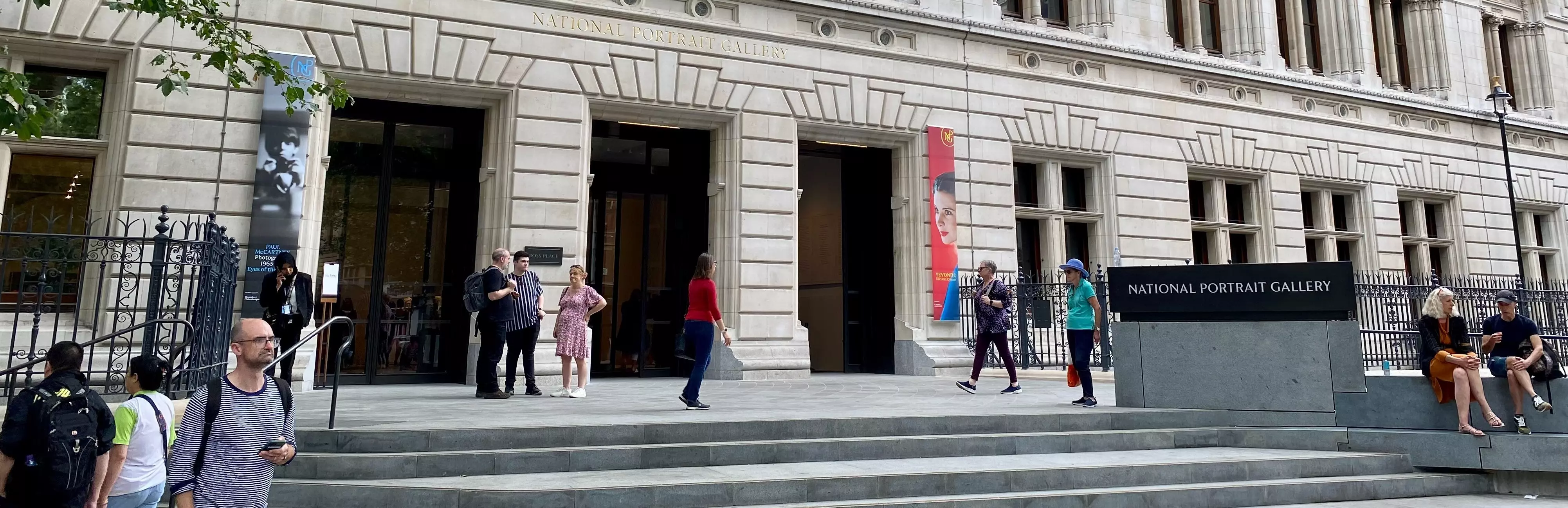
The tour starts at the Gallery's main entrance on St Martin's Place, where the new bronze doors by Tracey Emin set the tone for what's inside. You'll ride the escalator up to the third floor, where the Tudor Rooms house some of the collection's most celebrated works, before moving through the Stuart and Georgian galleries and descending through Victorian and modern collections. Along the way, you'll encounter royalty, explorers, nurses, fascists, and fashion icons – all rendered in paint, glass, and frozen blood.
The tour ends in Room 32 on the ground floor, a space lined with death masks from the past and dominated by Marc Quinn's extraordinary sculpture Self – a life mask made from ten pints of the artist's own blood, kept frozen in a refrigerated steel cabinet as a meditation on mortality and the fragility of existence.
On this 75-minute tour, you'll have a chance to:
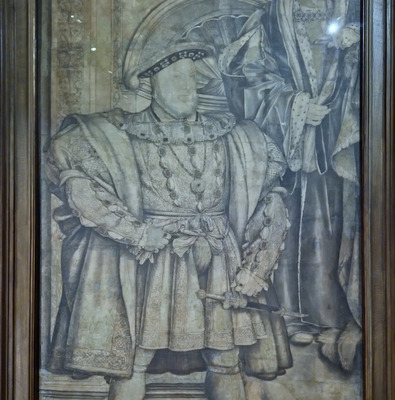
- Examine Hans Holbein the Younger's Henry VIII cartoon, the only work by Holbein in the collection and a rare survival of the Tudor painting process
- Stand before the Ditchley Portrait of Elizabeth I, painted by Marcus Gheeraerts the Younger, showing the Queen standing on a map of England
- Learn how Sir Francis Drake's coat of arms encodes his circumnavigation of the globe – and his role in launching England's slave trade
- Discover the only known painted portrait of Mary Seacole, the Jamaican-born nurse refused by Florence Nightingale and forgotten for over a century after her death
- Consider what Oswald Mosley's quietly dignified 1925 portrait reveals about how fascism presents itself
- Unpack how Jason Brooks' hyperrealistic portrait of geneticist Paul Nurse uses photographic techniques – depth of field, cropping, grisaille – that are actually centuries old
- See Alex Katz's portrait of Anna Wintour, which deliberately uses the visual language of Byzantine icons to turn a fashion editor into a timeless, gold-background saint
The National Portrait Gallery's permanent collection is free, making this tour exceptional value for two hours of art, history, and ideas.
Tour Producer
 Tour Producer
Leslie Primo

Art historian, Leslie Primo is an author and broadcaster, graduating from Birkbeck, University College, London with an MA in Renaissance studies. He lectured at the National Gallery, London for 18 years as well as in the same capacity at the National Portrait Gallery for 10 years where he continues to lecture. He has also lectured for the Royal Academy, the Victoria and Albert Museum, The Barber Institute of Fine Arts, The Wallace Collection and currently lectures for Martin Randall Travel, John Hall Venice, and The Arts Society. He currently teaches a variety of art history courses at Imperial College, London, the City Literary, London and The Course at the University Women’s Club, Mayfair. In his broadcasting capacity, Leslie Primo has made frequent appearances on the BBC speaking in Turner: The Secret Sketchbooks, (currently still airing on BBC iPlayer), LS Lowry: The Unheard Tapes (currently still airing on BBC iPlayer), Renaissance: The Blood and the Beauty (currently still airing on BBC iPlayer), the Life of Michelangelo, and presented Turner: Light and Landscape. He was a contributor to the Oxford Companion Guide to Black British History, an art history consultant for the Getty publication, Balthazar: A Black African King in Medieval and Renaissance Art, was an art history consultant for DK Life Stories: Leonardo da Vinci – a children’s book for ages 7-11, and was published by the Royal Academy Magazine for the Entangled Pasts exhibition, 2023-2024. Leslie Primo’s book, ‘The Foreign Invention of British Art’ is published by Thames & Hudson, 2025.

Save with London audio tour passes
How do passes work?

Preview Location
 Preview Location
Location 6
King Henry VIII by Hans Holbein the Younger
 View locations and route

How VoiceMap Works



Major Landmarks
 Major Landmarks
-
National Portrait Gallery

-
Mary Seacole Memorial Statue
-
Trafalgar Square
Getting There
 Getting There
Route Overview
-
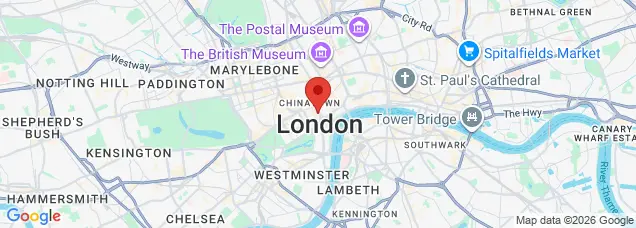
Start locationSt. Martin's Pl, London WC2H 0HE, UK
-
Total distance0m
-
Final locationSt. Martin's Pl, London WC2H 0HE, UK
-
Distance back to start location0m


Directions to Starting Point
As you approach Trafalgar Square, you will be able to see two fountains, some bronze sculptures of lions, and a tall column with an English war hero on top of it. Behind this is the large building that dominates the north side of the Square, this is the National Gallery; you will see those words written in gold along the top of portico to this building. However, this is not where you are headed. You will need to walk around to the right of this building and around the back to access the National Portrait Gallery. The two institutions are not connected, so you cannot access one via the other.
 Show Directions

Tips
 Tips
Tips
Places to stop along the way
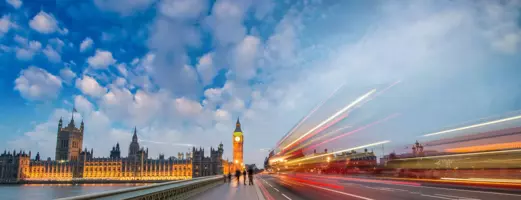
There is plenty to see on your way to the National Gallery. If you alight at Westminster Underground station you will be at the Houses of Parliament and clocktower known as, Big Ben. The long road that connects from her to Trafalgar Square is called Whitehall. if you walk up this road away from the Houses of Parliament, you will pass on your left the gates to 10 Downing Street, The Official residence of the Prime Minister of England. As you the end of this road, you will also pass Horse Guards Parade, this is were you can witness an English ceremony called the Changing of the Guards. after this you will be at Trafalgar Square ready to enter the National Portrait Gallery.
Best time of day
The best time to visit the National Portrait Gallery is immediately at opening time. the National Portrait Gallery is open daily: 10.30 – 18.00, and Friday & Saturday: 10.30 – 21.00. It is also generally less crowded in the final two hours opening.
Precautions
Be aware that the National Portrait Gallery does not allow large suitcases to be stored in their cloakroom. If you are wearing a rucksack, you will be asked to wear in on your front rather than your back, and all bags are subject to a security search before entry into the Gallery. The area is generally safe, but be aware that pickpockets tend to target galleries, especially queues to enter galleries. The Chandos pub across the road from the the National Portrait Gallery, has a reputation for pickpockets and bag thieves.
Get The App
 Get The App




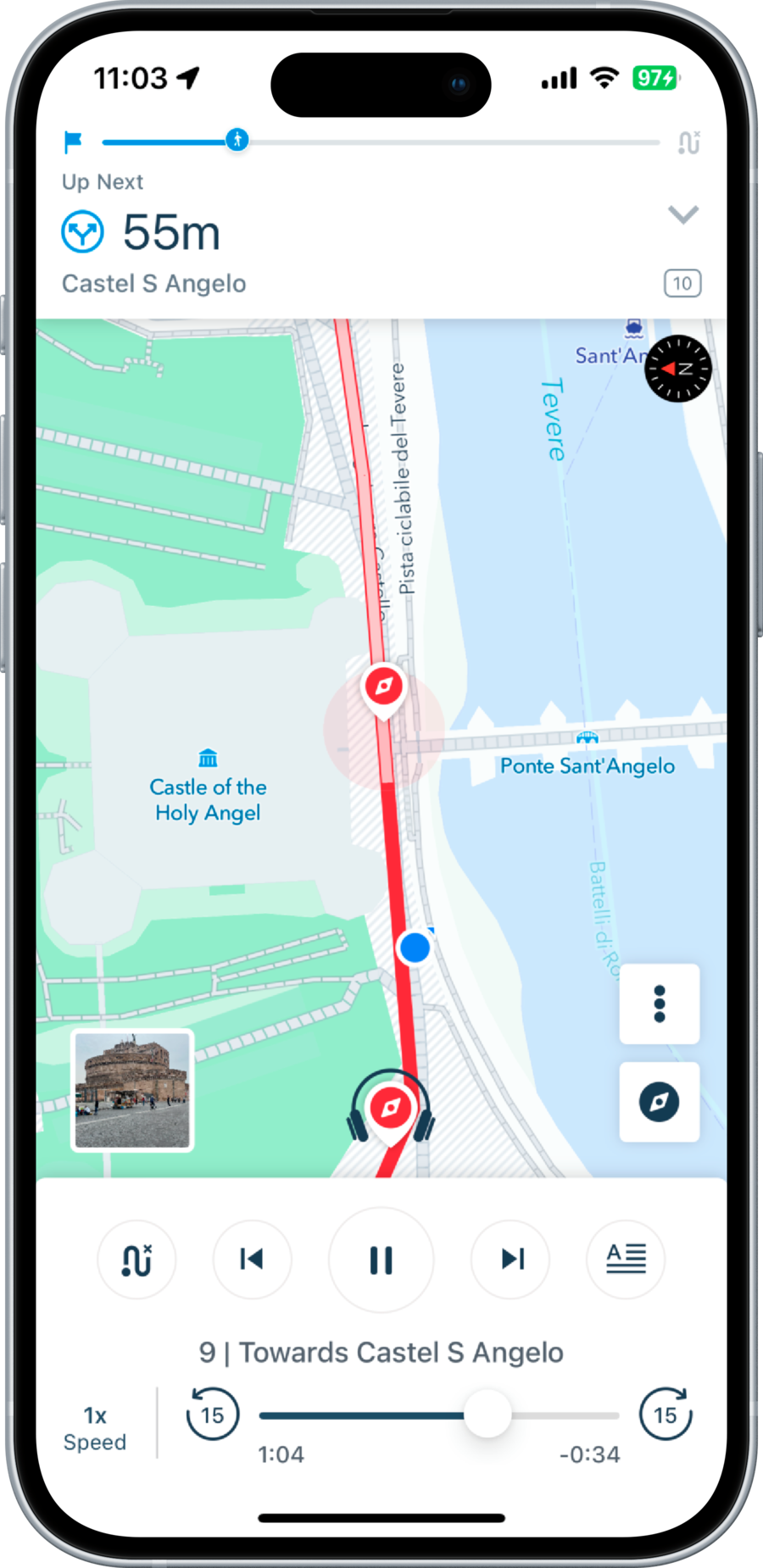
Scan to get app
Download the app for free
VoiceMap




 App of the Day

 Editor’s Choice


Last Updated
 Last Updated
Questions and Reviews
 Questions and Reviews