







A cradle of reform: Bloomsbury's contribution to healthcare history




 Buy for a Group
 Reviews
 About the Tour
 About the Tour
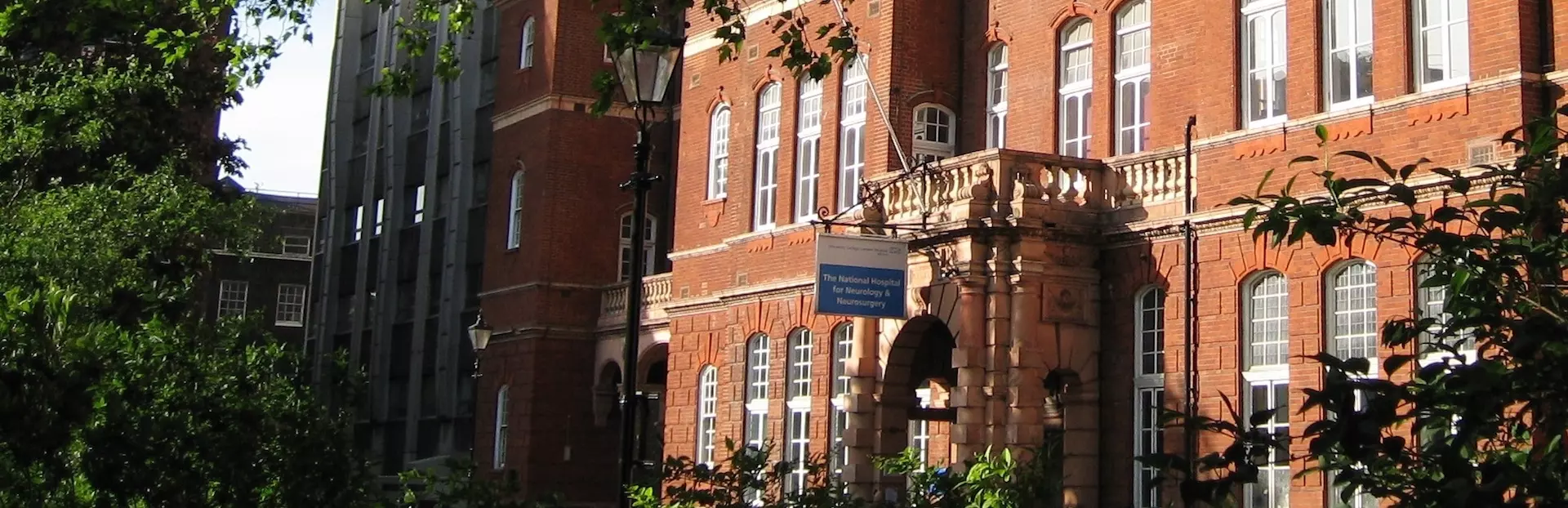
During an extraordinary forty years, this small area of London attracted reformers who changed health care in fundamental ways that shape today's services. Prior to that time, the only health care provided here was the 18th century Foundling Hospital, one the most magnificent buildings in London of which only the entrance and childrens' playsheds can be seen today. On this walk you will see the first hospital for children in England, the only hospital for Italians, the first hospital established by nurses, the first hospital for those paralysed and epileptic, and the medical school created by and for women who were otherwise excluded from such a career. This was an area where several types of patients who were previously ignored finally were recognised and where new opportunities for staff were initiated. While Bloomsbury is rightly recognised as the home of radical changes in literature, art and penal reform, it was also a cradle of reform for health care.
This walk is based on one of seven walks in Walking London's Medical History:
https://www.amazon.co.uk/Walking-Londons-Medical-History-Second/dp/1444172433
Tour Producer
 Tour Producer

Nick Black

My career has been spent studying health care, helping students understand how to improve its quality, and advising national policymakers. I’ve been motivated by the desire to enhance public understanding of health, disease and health care. This started in the 1980s when I was one of the main authors of eight popular Open University books, Health & Disease. It continued in 2006 with Walking London’s Medical History which, through seven walks, I revealed how health care policies in England developed.
My key aim has always been to reveal the challenges and uncertainties we face. Alongside writing books and teaching thousands of post-graduate students from all around the world, my research focused on strengthening the voice and influence of patients and developing the accountability of professionals, managers and policy-makers, for which I was knighted in 2019.
Throughout, I’ve been drawn to history and how vital it is that we understand the past if we’re to successfully shape the future. Unlike much scientific research, delving into historical records often leaves large areas of blank canvas where only our imagination can make sense of what happened.
After a career of non-fiction publishing, I’ve found the possibilities offered by fiction writing exhilarating and liberating. My first novel, The Honourable Doctor was published in 2022 (www.nickblackauthor.com) and the second, Bare-Knuckle Surgeon, also set in Regency times was published in 2025.

Save with London audio tour passes
How do passes work?

Preview Location
 Preview Location
Location 26
EGA Hospital
The small shops that line this and the adjoining walking street date from 1822. This is one of the first streets in London built specifically for shopping. It's frequently used in films and TV fo...
 View locations and route

How VoiceMap Works





Major Landmarks
 Major Landmarks
-
Gate of the Foundling Hospital
-
Great Ormond Street Hospital for Children
-
The Italian Hospital
-
National Hospital for Neurology and Neurosurgery
-
Royal London Hospital for Integrated Medicine
-
Russell Square
-
Great Ormond Street
-
Brunswick Square Gardens
-
Queen Square Gardens
Getting There
 Getting There
Route Overview
-
Start locationLondon WC1B 5BE, UK
-
Total distance2km
-
Final location147-153 Euston Rd., London WC1H 9PJ, UK
-
Distance back to start location610.23m


Directions to Starting Point
Russell Square underground station
 Show Directions




Tips
 Tips
Tips
Places to stop along the way
Cafes in Lamb's Conduit Street, Foundling Museum, Elizabeth Garrett Anderson Museum.
Best time of day
Any time, though quieter at weekends
Precautions
This is a safe area but usual precautions advised.
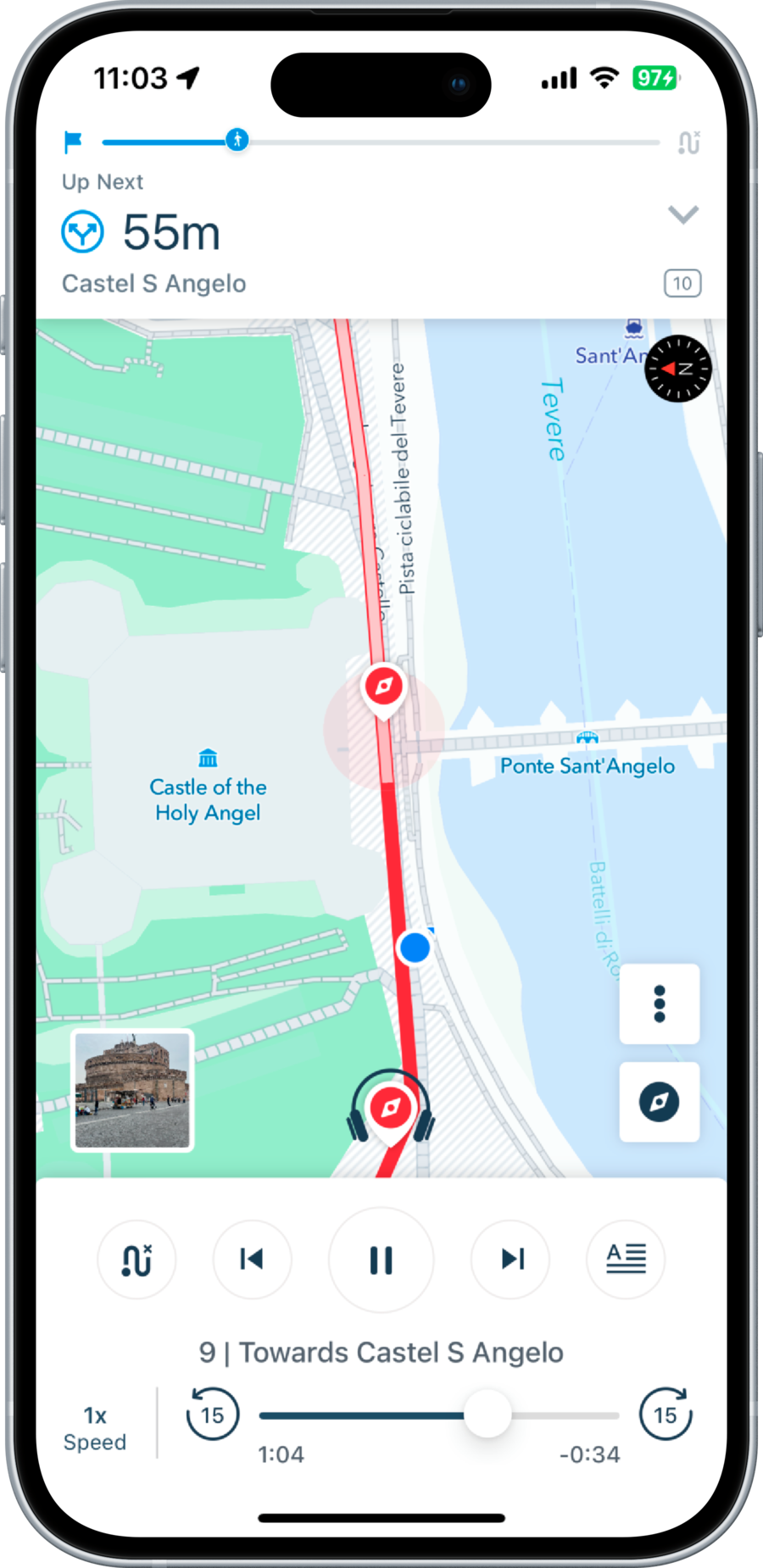
Get The App
 Get The App




Scan to get app
Download the app for free
VoiceMap




 App of the Day

 Editor’s Choice


Questions and Reviews
 Questions and Reviews