






Rocky Point Glades: A Walking Tour of Swope Park's Ancient Ecosystem




 Buy for a Group
 Reviews
 About the Tour
 About the Tour
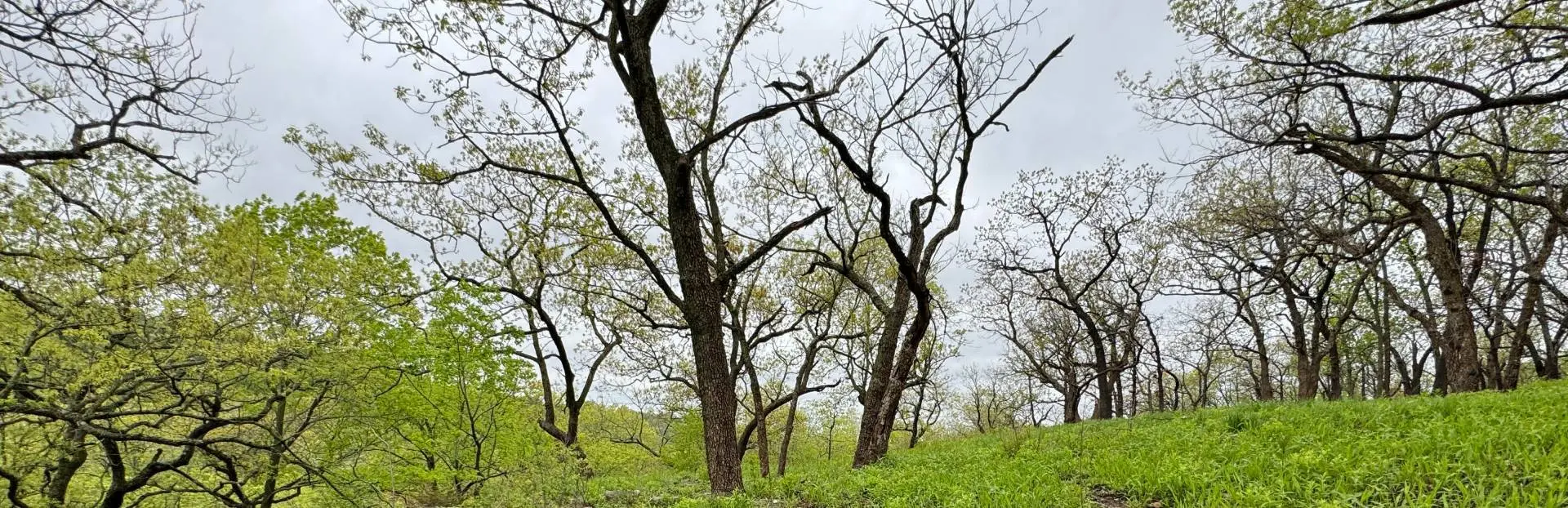
Rocky Point Glades is one of Kansas City's most unexpected natural treasures – 20 acres of remnant limestone glades sitting inside this 60-acre oak-hickory savanna in Swope Park, a park more than double the size of Central Park. On this walking tour, you'll explore a transitioning ecosystem that has never
been tilled or cleared. You'll also discover how ancient seas, Indigenous peoples, and modern conservation shaped this remarkable landscape.
The tour begins at the Hogan, an octagonal lodge at the trailhead, before heading into the glades along WudChuck Run. You'll walk through three distinct remnant glades perched above the Blue River, learning how limestone bedrock formed from ancient coral and shells hundreds of millions of years ago. Along the way, you'll find out how prescribed burns – a practice rooted in Osage tradition – keep invasive honeysuckle at bay and the ecosystem thriving.
You'll also uncover a forgotten chapter of Swope Park's history: Camp Lake of the Woods and Camp Hope, two summer camps that operated here from 1948 to the early 1980s. Segregated at first, then integrated following Brown v. Board of Education, the camps served thousands of Kansas City children across nearly four decades. Then you'll circle back to the Hogan, where the tour began.
On this 40-minute tour, you'll have a chance to:
- Identify seasonal wildflowers, including Purple Milkweed, Pale Purple Coneflower, and Rough Blazing Star
- Examine karst weathering patterns in limestone outcrops, where rainwater and lichen slowly dissolve the rock
- Learn how the Osage people used hickory and oak woodlands for lodge-building, medicine, and food
- Discover how Camp Hope became what one leading naturalist called the first tax-supported science camp in the country
- Walk through a fire-adapted oak-hickory woodland where some trees are over 250 years old
Whether you're a nature enthusiast or a local history buff, Rocky Point Glades rewards curiosity at every turn. Bring water, wear sturdy shoes, and watch for mountain bikers.
Tour Producer
 Tour Producer

Bridging The Gap’s Kansas City WildLands (KCWL) program conserves, protects and restores remnants of Kansas City’s original landscape by connecting people to the stewardship of the land. Kansas City is home to stunning, untouched natural areas. Historic prairies, sunny woodlands, shaded forests, and rich wetlands make up our city’s biodiversity. These natural areas are all public land, free and open for all to enjoy.

Save with audio tour passes
How do passes work?

Preview Location
 Preview Location
Location 5
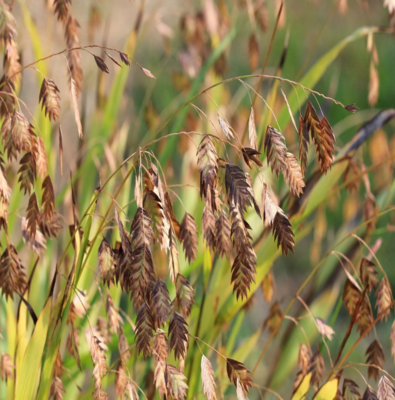
Wild River Oats
We'll be walking alongside the large ditch beside the road, which should be on your left after turning.
Not all the native plants at the glade are fire-adapted tho...
 View locations and route

How VoiceMap Works







Major Landmarks
 Major Landmarks
-
The Hogan
-
Rocky Point
Getting There
 Getting There
Route Overview
-
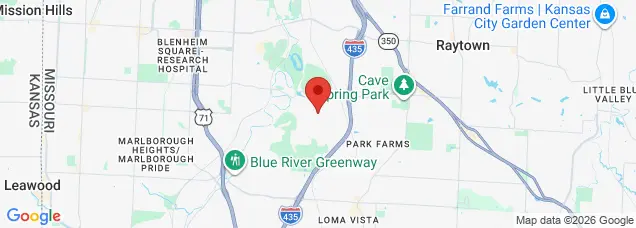
Start location6370-5600 Oakwood Rd, Kansas City, MO 64132, USA
-
Total distance3km
-
Final locationRancho D-Lux, Kansas City, MO 64132, USA
-
Distance back to start location122.49m


Directions to Starting Point
The trailhead begins at the Limestone Glade trail sign behind the red octagonal Hogan building.
 Show Directions




Tips
 Tips
Tips
Places to stop along the way
If you enjoyed this natural area hike, there are a few other trails close by that we'd recommend. Geranium Hill, Blue River Glades, Fox Hollow Trail, and Blue River Parkway are all close-by. If you'd like to continue your conservation and nature learning, be sure to check out nearby Lakeside Nature Center and the KC Zoo & Aquarium.
Best time of day
Rocky Point Glades is beautiful throughout every season, but our favorite times of year to hike are spring and fall. Be sure to save this hike for a dry day -- any amount of rain turns the soil to sticky, clay-like mud. Trail is usually open dawn to dusk.
Precautions
Stay aware of ticks and be sure to check yourself during and after the hike. This trail is through a natural area, so you may see wildlife like snakes, birds, deer and other animals. The terrain is relatively mild, but stay aware of your surroundings and watch for rocks, branches, or other obstacles in the trail. Please stay on the trail to prevent erosion and degradation of wildflower populations.
Get The App
 Get The App




Scan to get app
Download the app for free
VoiceMap




 App of the Day

 Editor’s Choice


 Last Updated
 Questions and Reviews