



ATTRACTION
Pampaneira,
Alpujarra


About
Pampaneira got a road only when a hydroelectric power station opened below it, one of three built along the River Poqueira in the 1950s. Until then, the village was reached by the tracks and stairways locals had used since medieval times.
That isolation shows. The streets follow a Berber layout brought from North Africa after 711, and whitewashed houses huddle together under round chimneys. Covered passageways called tinaos run beneath people’s homes, and some doors are small because the ground floor once belonged to chickens and pigs, whose warmth heated the rooms above. Look for red stains on the walls too: that is Saharan dust meeting rain.
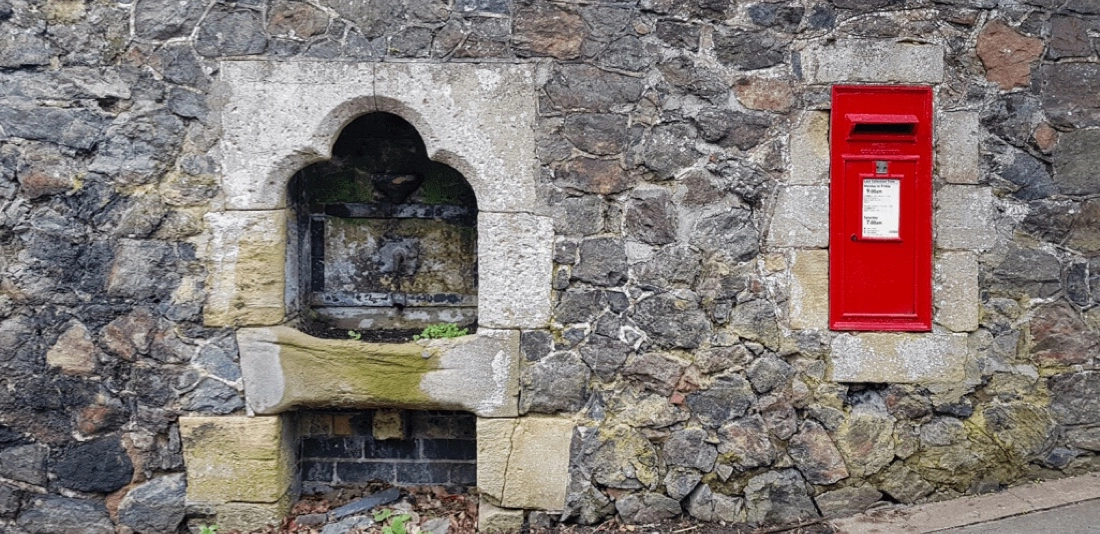
VoiceMap’s Pampaneira tour threads these lanes, stopping at a tinao beside the old village lock-up, a washing place where the gossip never stopped, and a fountain whose plaque promises single drinkers a partner.

Tours featuring Pampaneira (2)


Architecture
National Park
Food And Drink
Find out how the rugged environment shaped this Alpujarra village's way of life

 Walking Tour
|
 45 mins

Architecture
Food And Drink
Scenic Routes
Descubre una cultura única condicionada por el entorno agreste
Walking Tour
|
45 mins
Download the app for free
VoiceMap
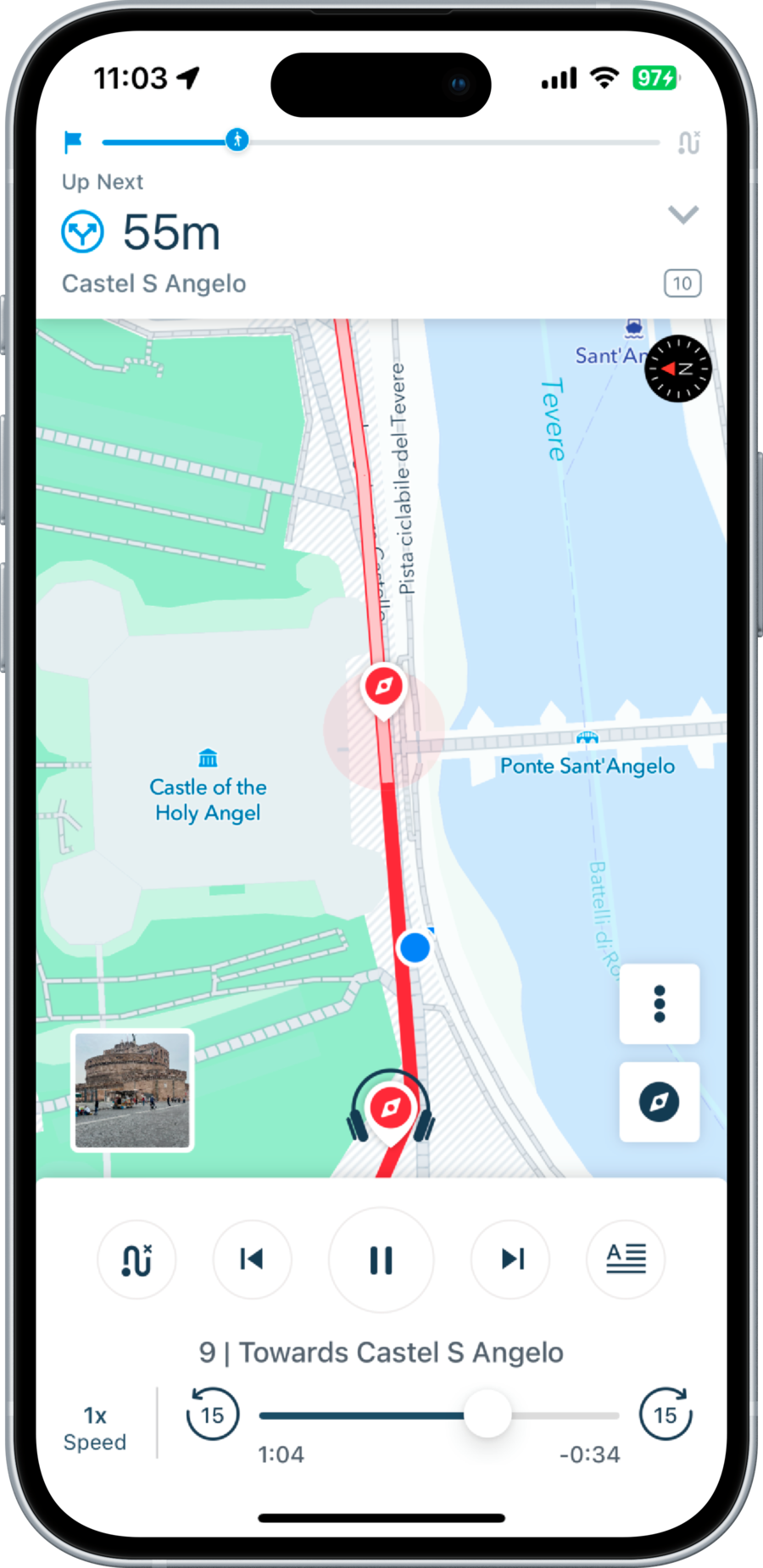
- Download tours to use them offline
- Listen hands-free with GPS playback
- Get turn-by-turn directions


Scan to get app
Download the app for free
VoiceMap




 App of the Day

 Editor’s Choice







Itchy feet? Us too
VoiceMap’s newsletter scratches that itch and stimulates your senses, every fortnight. Curiosity is the only currency you need to subscribe.

Exploring is easier with a VoiceMap account
To purchase tours, add them to a wishlist, or access them with the VoiceMap app, please sign in or create a VoiceMap account


Exploring is easier with a VoiceMap account
To purchase tours, add them to a wishlist, or access them with the VoiceMap app, please sign in or create a VoiceMap account