







ATTRACTION
Bridge of Sighs,
Venice

About
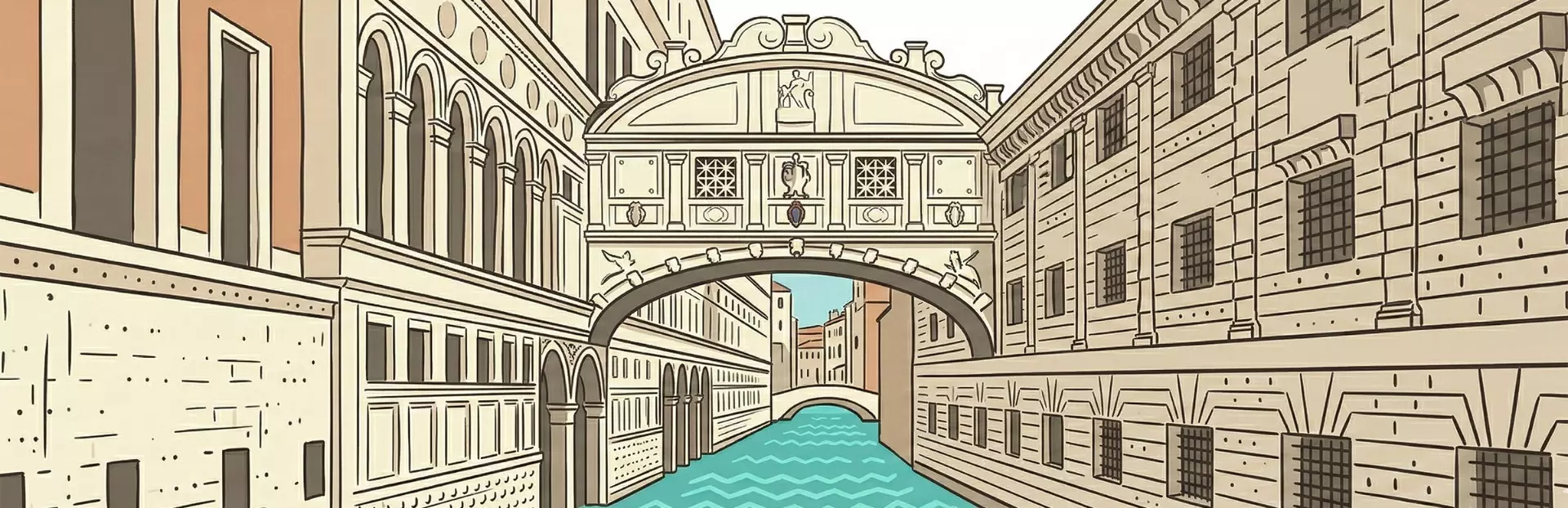
The Bridge of Sighs is not a romantic landmark, whatever the gondoliers might suggest.
Built around 1600 and designed by Antonio Contin, grandson of the architect who saved the Doge's Palace after its devastating fire, this white limestone arch connected Venice's law courts to the New Prison. Prisoners crossed it after sentencing, catching their last glimpse of the lagoon through two small barred windows.
The name came later, probably from Lord Byron, who wrote: "I stood in Venice, on the Bridge of Sighs, a palace and a prison on each hand." Mark Twain, meanwhile, described the anonymous accusation slots nearby as throats "down which went the denunciation that doomed many an innocent man."
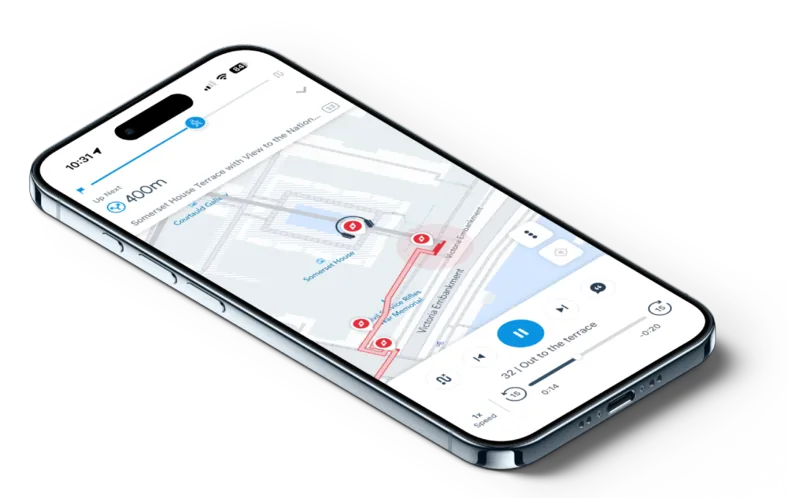
VoiceMap's self-guided audio tours trace the full arc of Venetian justice, connecting the Bridge of Sighs to the Lions' Mouths, the Doge's Palace interrogation rooms and the grim logic of a republic that punished dissent in silence.
Built around 1600 and designed by Antonio Contin, grandson of the architect who saved the Doge's Palace after its devastating fire, this white limestone arch connected Venice's law courts to the New Prison. Prisoners crossed it after sentencing, catching their last glimpse of the lagoon through two small barred windows.
The name came later, probably from Lord Byron, who wrote: "I stood in Venice, on the Bridge of Sighs, a palace and a prison on each hand." Mark Twain, meanwhile, described the anonymous accusation slots nearby as throats "down which went the denunciation that doomed many an innocent man."
VoiceMap's self-guided audio tours trace the full arc of Venetian justice, connecting the Bridge of Sighs to the Lions' Mouths, the Doge's Palace interrogation rooms and the grim logic of a republic that punished dissent in silence.

Tours featuring Bridge of Sighs (2)

Medieval History
Royal Heritage
Find out how Venice grew from a trade hub to a city-state to rival its neighbors

 Walking Tour
|
 75 mins
Local Legends
Ghosts And Hauntings
Architecture
Get a sense of the power and wealth that built this merchant city
 Walking Tour
|
75 mins
Download the app for free
VoiceMap
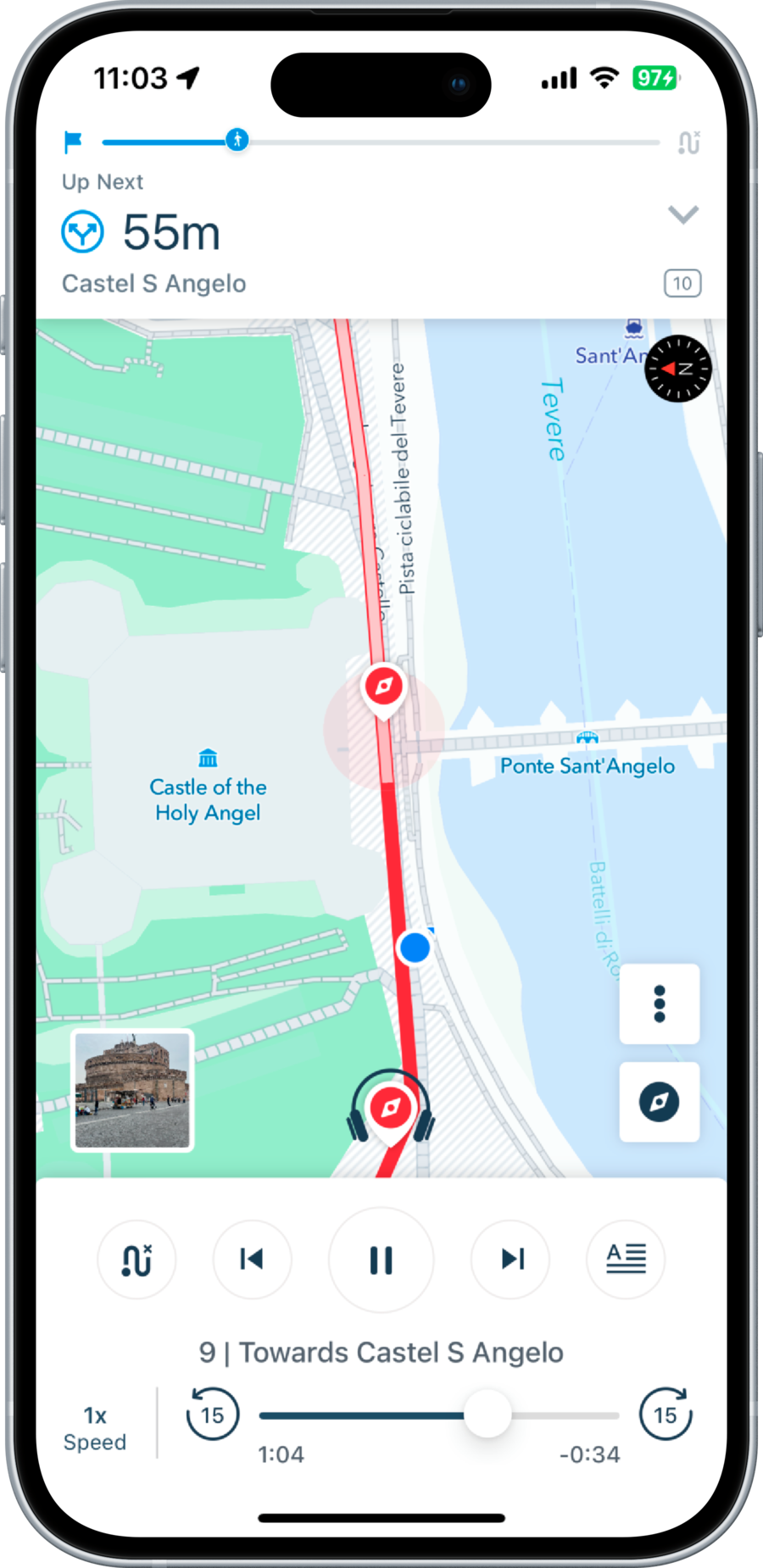
- Download tours to use them offline
- Listen hands-free with GPS playback
- Get turn-by-turn directions


Scan to get app
Download the app for free
VoiceMap




 App of the Day

 Editor’s Choice






Itchy feet? Us too
VoiceMap’s newsletter scratches that itch and stimulates your senses,
every fortnight. Curiosity is the only currency you need to subscribe.

Exploring is easier with a VoiceMap account
To purchase tours, add them to a wishlist, or access them with the VoiceMap app, please sign in or create a VoiceMap account


Exploring is easier with a VoiceMap account
To purchase tours, add them to a wishlist, or access them with the VoiceMap app, please sign in or create a VoiceMap account