







ATTRACTION
Saint-Malo Castle,
Saint Malo

About
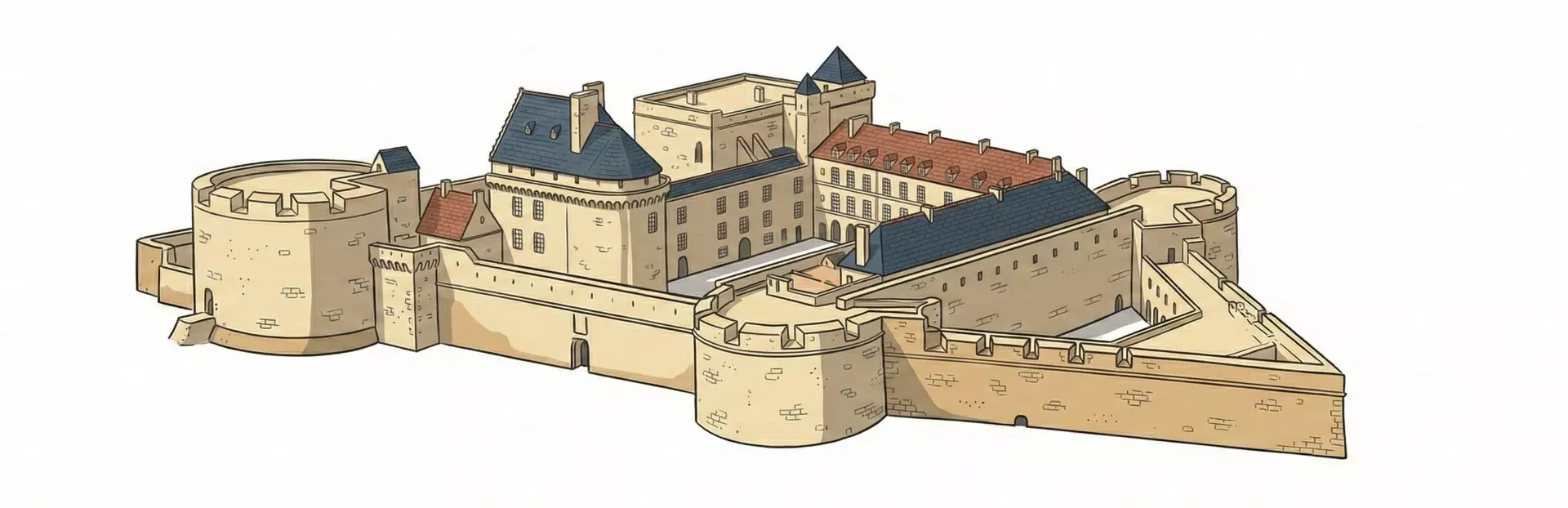
Saint-Malo's castle has been watching over this walled Breton city for the best part of a thousand years. Though what you see today is the result of stubborn reinvention. About 80% of Saint-Malo was destroyed during World War II, making the castle's survival all the more striking.
The structure grew in stages. In 1424, Duke Jean V added the great keep that still looms at its centre. Then Duchess Anne, never one to invite argument, raised two towers around 1500 and inscribed one with a message for disgruntled locals: "whoever complains, be it, it will be my pleasure."
The tower is still called Quic-en-Grogne. Today, the castle serves as the Town Hall, deliberately detached from the ramparts as a reminder of its historic role in keeping the city's notoriously independent Malouins in check.
VoiceMap's self-guided audio tours trace the castle's place in Saint-Malo's story, from its medieval foundations to the city's era of corsairs and expansion, revealing why a sea-facing fortress eventually became a civic symbol.
The structure grew in stages. In 1424, Duke Jean V added the great keep that still looms at its centre. Then Duchess Anne, never one to invite argument, raised two towers around 1500 and inscribed one with a message for disgruntled locals: "whoever complains, be it, it will be my pleasure."
The tower is still called Quic-en-Grogne. Today, the castle serves as the Town Hall, deliberately detached from the ramparts as a reminder of its historic role in keeping the city's notoriously independent Malouins in check.
VoiceMap's self-guided audio tours trace the castle's place in Saint-Malo's story, from its medieval foundations to the city's era of corsairs and expansion, revealing why a sea-facing fortress eventually became a civic symbol.

Tours featuring Saint-Malo Castle (2)


Religious Sites
Maritime Heritage
Medieval History
Be captivated by the coastal city where echoes of corsairs and conquest linger

 Walking Tour
|
 90 mins

Voici la ville côtière où résonnent encore les échos des corsaires et conquêtes
Walking Tour
|
90 mins
Download the app for free
VoiceMap
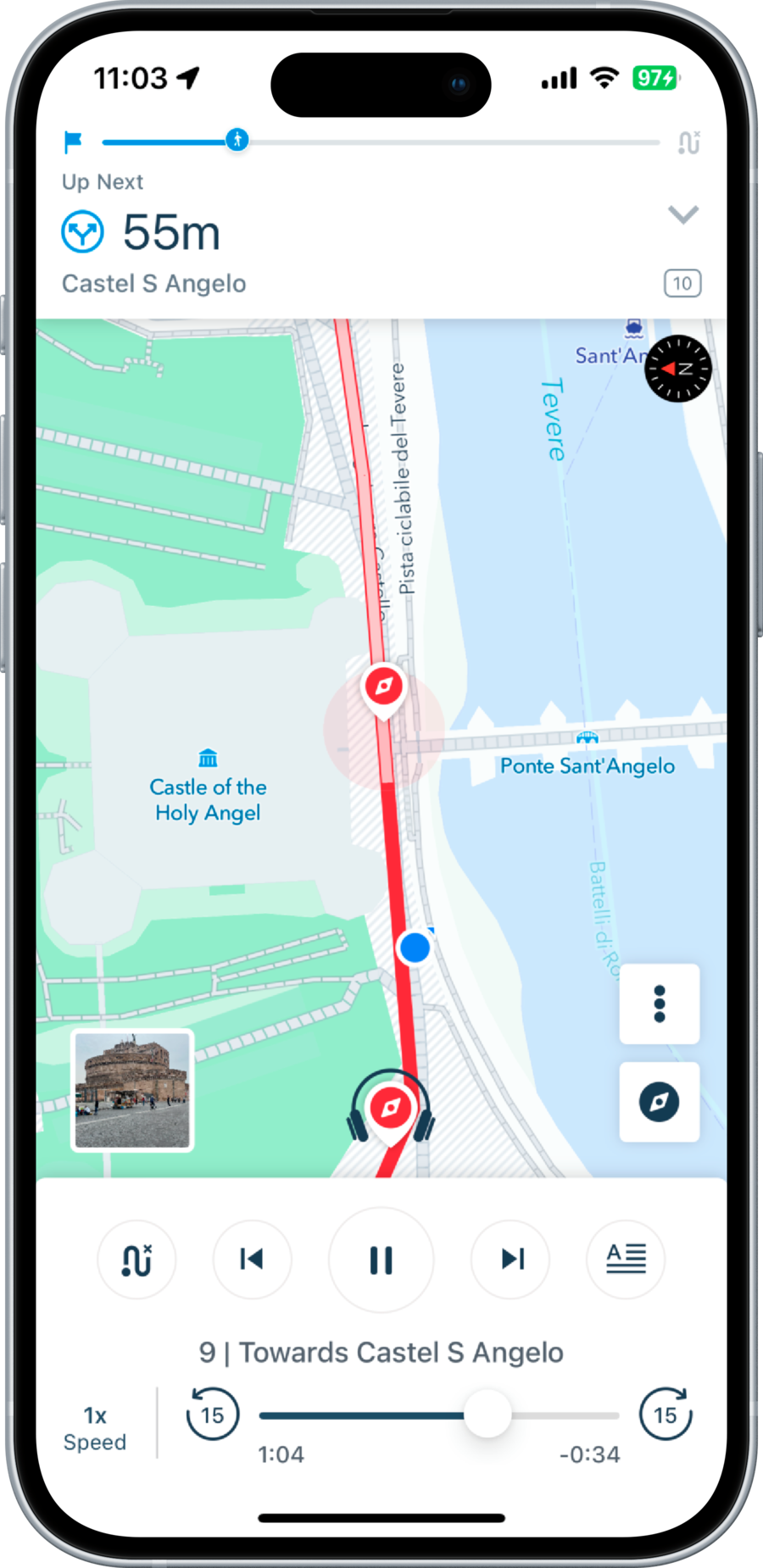
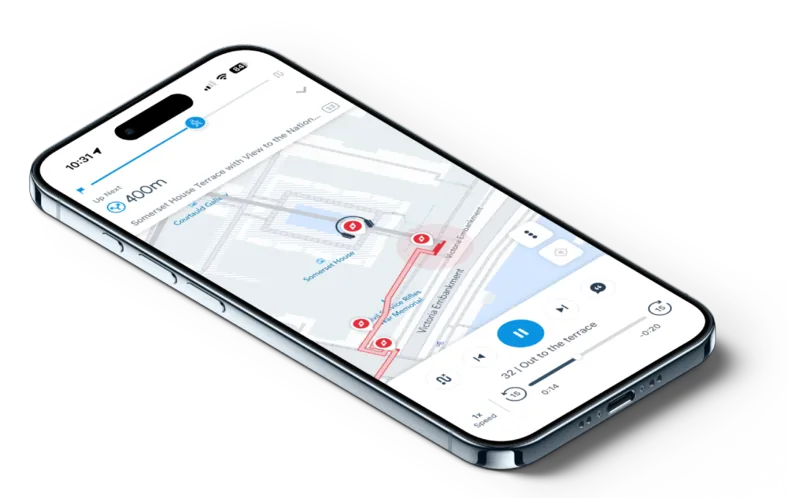
- Download tours to use them offline
- Listen hands-free with GPS playback
- Get turn-by-turn directions


Scan to get app
Download the app for free
VoiceMap




 App of the Day

 Editor’s Choice







Itchy feet? Us too
VoiceMap’s newsletter scratches that itch and stimulates your senses,
every fortnight. Curiosity is the only currency you need to subscribe.

Exploring is easier with a VoiceMap account
To purchase tours, add them to a wishlist, or access them with the VoiceMap app, please sign in or create a VoiceMap account


Exploring is easier with a VoiceMap account
To purchase tours, add them to a wishlist, or access them with the VoiceMap app, please sign in or create a VoiceMap account