





ATTRACTION
Torre dos Clérigos,
Porto


About
Torre dos Clérigos was designed by an Italian who loved Porto so much he asked to be buried inside it.
Nicolau Nasoni arrived in the city in 1725 and spent decades reshaping its skyline, but the 75-metre bell tower he built for the Brotherhood of the Clérigos between 1754 and 1763 became his masterpiece. It was Portugal's tallest tower at the time, its baroque granite shaft inspired by the Tuscan campaniles of Nasoni's homeland.
The original plan called for two towers flanking the church, but Nasoni talked the Brotherhood into a single, more dramatic structure at the rear. In 1917, two Spanish acrobats, a father-and-son team called the Puertullanos, climbed it from the outside in front of an enormous crowd.
Two hundred and forty steps lead to the top, where the city's terracotta rooftops tilt toward the Douro. Below, the church's unusual elliptical nave holds Nasoni's unmarked grave somewhere in its crypt.
VoiceMap's self-guided audio tours trace Nasoni's outsized influence on Porto, connecting the tower to his other commissions across the city and explaining how one Italian architect gave a Portuguese city its most recognisable silhouette.
Nicolau Nasoni arrived in the city in 1725 and spent decades reshaping its skyline, but the 75-metre bell tower he built for the Brotherhood of the Clérigos between 1754 and 1763 became his masterpiece. It was Portugal's tallest tower at the time, its baroque granite shaft inspired by the Tuscan campaniles of Nasoni's homeland.
The original plan called for two towers flanking the church, but Nasoni talked the Brotherhood into a single, more dramatic structure at the rear. In 1917, two Spanish acrobats, a father-and-son team called the Puertullanos, climbed it from the outside in front of an enormous crowd.
Two hundred and forty steps lead to the top, where the city's terracotta rooftops tilt toward the Douro. Below, the church's unusual elliptical nave holds Nasoni's unmarked grave somewhere in its crypt.
VoiceMap's self-guided audio tours trace Nasoni's outsized influence on Porto, connecting the tower to his other commissions across the city and explaining how one Italian architect gave a Portuguese city its most recognisable silhouette.

Tours featuring Torre dos Clérigos (2)

Local Legends
Scenic Routes
Architecture
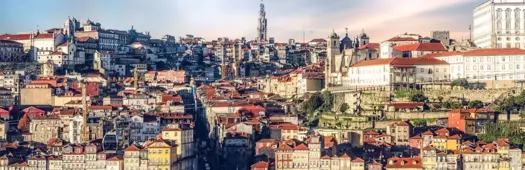
Pick up on Porto’s love of the arts in its churches, theatres and public spaces

 Walking Tour
|
 90 mins
UNESCO Sites
War And Military
Medieval History
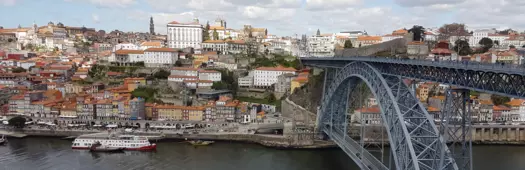
Piece together the tales and traditions that connect two riverside cities
 Walking Tour
|
90 mins
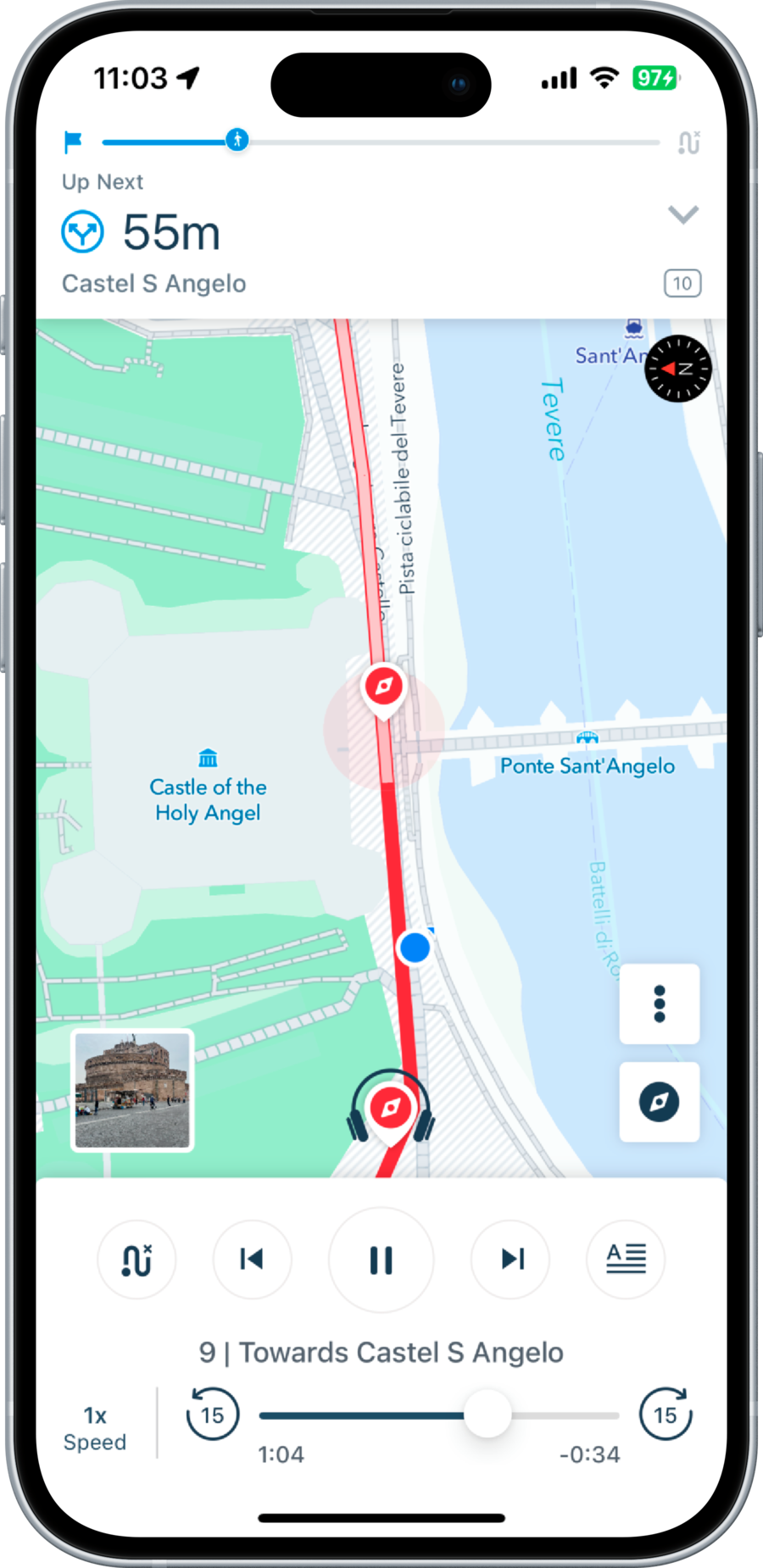
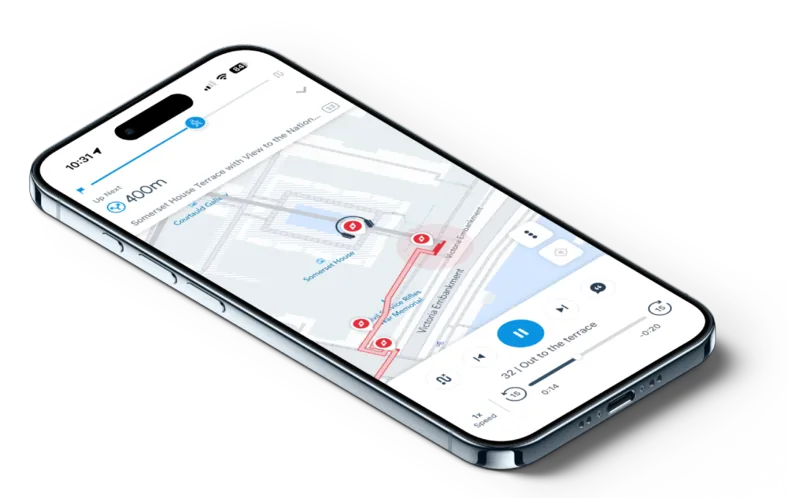
Download the app for free
VoiceMap
- Download tours to use them offline
- Listen hands-free with GPS playback
- Get turn-by-turn directions


Scan to get app
Download the app for free
VoiceMap




 App of the Day

 Editor’s Choice






Itchy feet? Us too
VoiceMap’s newsletter scratches that itch and stimulates your senses,
every fortnight. Curiosity is the only currency you need to subscribe.

Exploring is easier with a VoiceMap account
To purchase tours, add them to a wishlist, or access them with the VoiceMap app, please sign in or create a VoiceMap account


Exploring is easier with a VoiceMap account
To purchase tours, add them to a wishlist, or access them with the VoiceMap app, please sign in or create a VoiceMap account