






ATTRACTION
Sao Bento Station,
Porto


About
São Bento Station in Porto is a railway terminus where you go to catch a train and end up staring at walls instead. Its entrance hall is lined with roughly 20,000 azulejo tiles, painted by Jorge Colaço over eleven years, depicting scenes from Portuguese history, medieval battles, royal processions and the conquest of Ceuta.
The building itself replaced a Benedictine monastery (São Bento dos Monásticos, hence the name). When architect José Marques da Silva won the commission in 1896, he'd just returned from Paris with Beaux-Arts ambitions that show in every cornice.
What makes the tiles remarkable isn't just their scale but their narrative purpose. Colaço treated the vestibule like a national storybook, arranging scenes chronologically so that walking the hall is, in effect, reading Portugal's past from left to right.
VoiceMap's self-guided audio tours unpack Colaço's tile narratives scene by scene, connecting the station's imagery to Porto's layered relationship with trade, empire and religious history.
The building itself replaced a Benedictine monastery (São Bento dos Monásticos, hence the name). When architect José Marques da Silva won the commission in 1896, he'd just returned from Paris with Beaux-Arts ambitions that show in every cornice.
What makes the tiles remarkable isn't just their scale but their narrative purpose. Colaço treated the vestibule like a national storybook, arranging scenes chronologically so that walking the hall is, in effect, reading Portugal's past from left to right.
VoiceMap's self-guided audio tours unpack Colaço's tile narratives scene by scene, connecting the station's imagery to Porto's layered relationship with trade, empire and religious history.

Tours featuring Sao Bento Station (2)


Local Legends
Scenic Routes
Architecture
Pick up on Porto’s love of the arts in its churches, theatres and public spaces

 Walking Tour
|
 90 mins

UNESCO Sites
War And Military
Medieval History
Piece together the tales and traditions that connect two riverside cities
 Walking Tour
|
90 mins
Download the app for free
VoiceMap
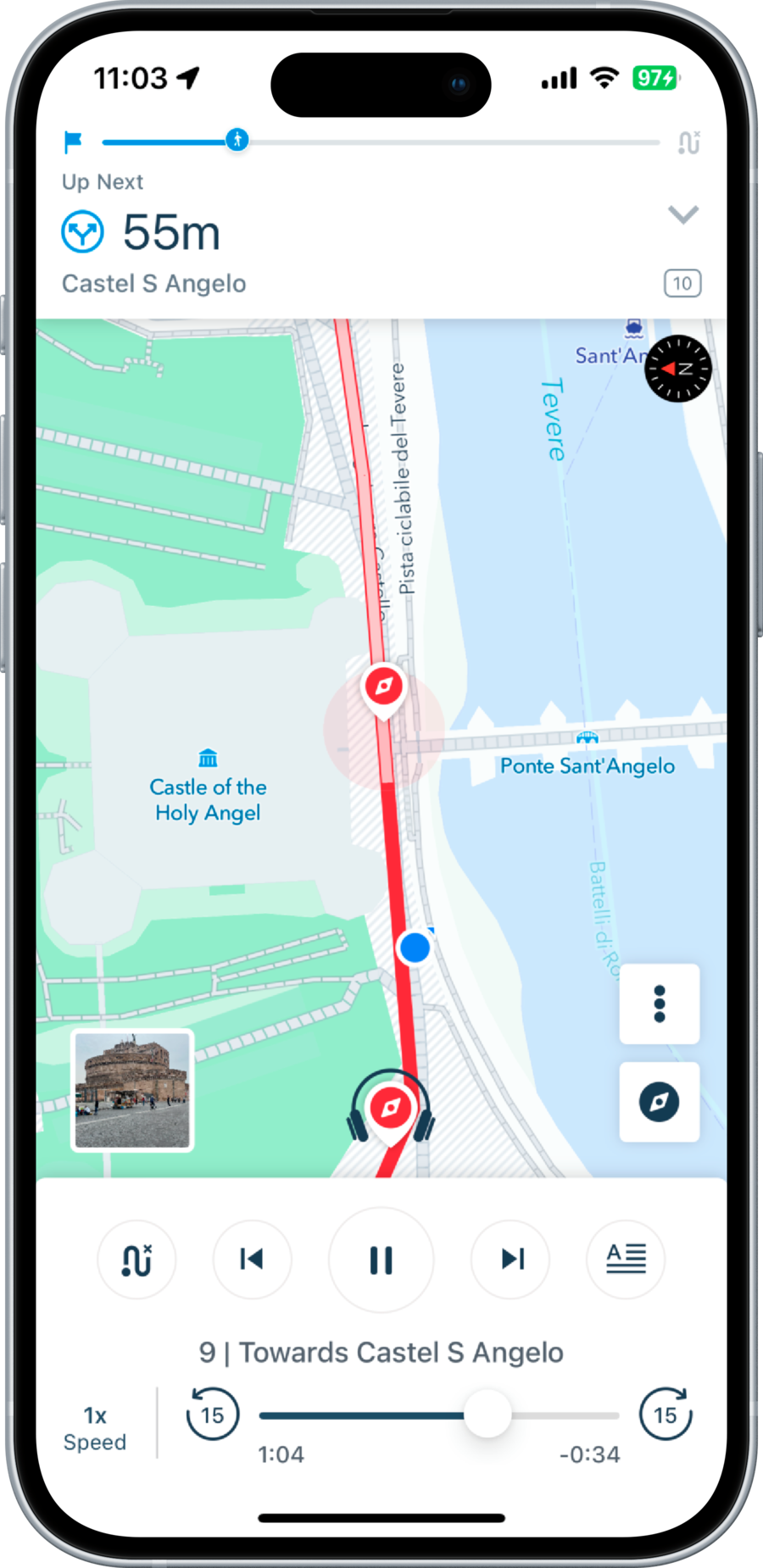
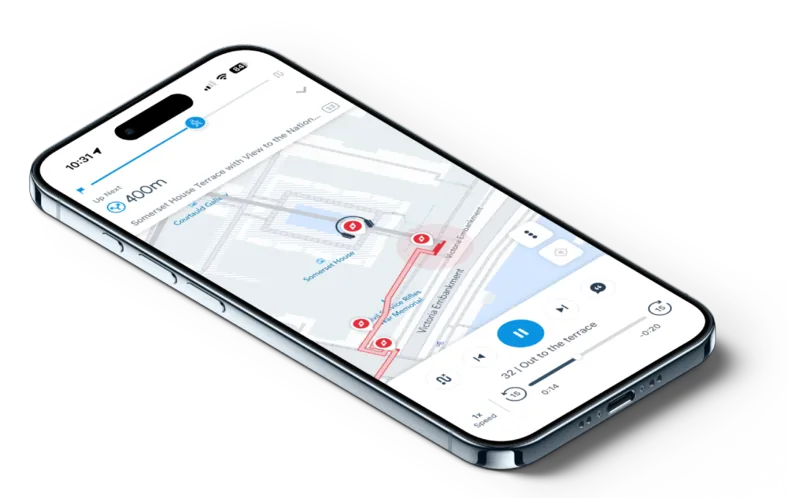
- Download tours to use them offline
- Listen hands-free with GPS playback
- Get turn-by-turn directions


Scan to get app
Download the app for free
VoiceMap




 App of the Day

 Editor’s Choice






Itchy feet? Us too
VoiceMap’s newsletter scratches that itch and stimulates your senses,
every fortnight. Curiosity is the only currency you need to subscribe.

Exploring is easier with a VoiceMap account
To purchase tours, add them to a wishlist, or access them with the VoiceMap app, please sign in or create a VoiceMap account


Exploring is easier with a VoiceMap account
To purchase tours, add them to a wishlist, or access them with the VoiceMap app, please sign in or create a VoiceMap account