






ATTRACTION
Tomb of Napoleon,
Paris

About
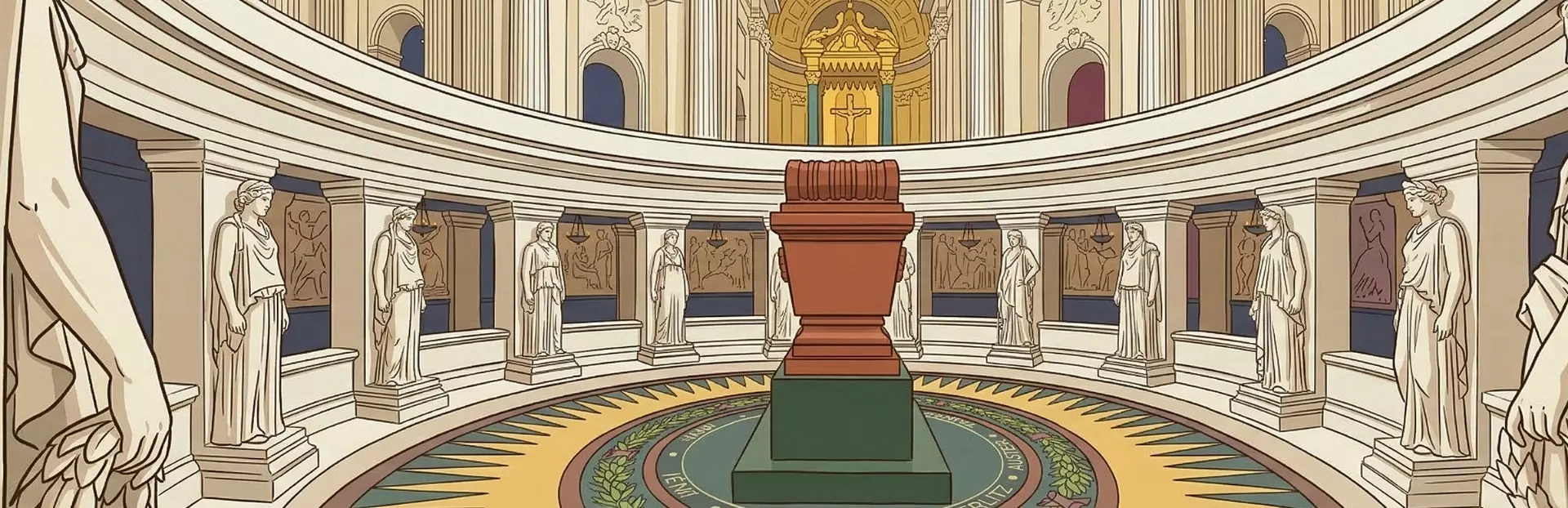
Napoleon's tomb at Les Invalides was 19 years in the making. The sarcophagus, carved from purple quartzite and set on green granite and black marble, sits in a circular crypt beneath the dome of a building originally constructed by Louis XIV as a hospital for wounded soldiers. The architect, Louis Visconti, died before seeing it finished.
The inscription above the entrance comes from Napoleon's own will: "I wish that my mortal remains may rest on the banks of the Seine, surrounded by the French people that I loved so much." His return in 1840 drew between 750,000 and a million Parisians into the streets. His son Napoleon II, who died of tuberculosis in Vienna at twenty-one, was transferred here by Adolf Hitler in 1940 for reasons nobody has fully explained. Neither of Napoleon's wives is buried alongside him.
VoiceMap's self-guided audio tours trace the full arc from Napoleon's campaigns through his exile and the theatre of his return, using the tomb to weigh his contradictory legacy as reformer and autocrat.
The inscription above the entrance comes from Napoleon's own will: "I wish that my mortal remains may rest on the banks of the Seine, surrounded by the French people that I loved so much." His return in 1840 drew between 750,000 and a million Parisians into the streets. His son Napoleon II, who died of tuberculosis in Vienna at twenty-one, was transferred here by Adolf Hitler in 1940 for reasons nobody has fully explained. Neither of Napoleon's wives is buried alongside him.
VoiceMap's self-guided audio tours trace the full arc from Napoleon's campaigns through his exile and the theatre of his return, using the tomb to weigh his contradictory legacy as reformer and autocrat.

Tours featuring Tomb of Napoleon (1)


Revolution
War And Military
Top Sights
Discover Napoleonic Paris and the legacy of the French Emperor

 Walking Tour
|
 90 mins
Download the app for free
VoiceMap
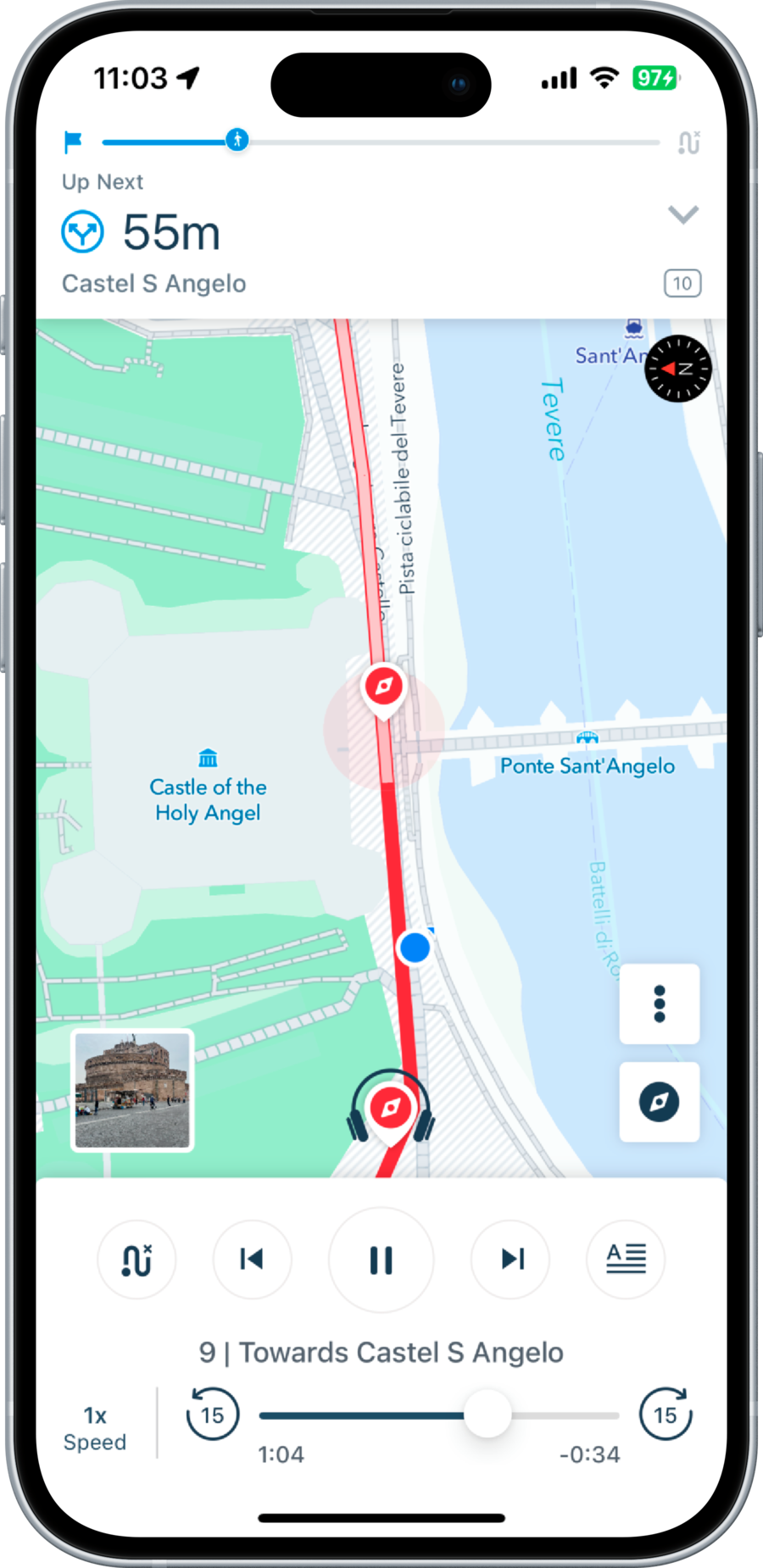
- Download tours to use them offline
- Listen hands-free with GPS playback
- Get turn-by-turn directions


Scan to get app
Download the app for free
VoiceMap




 App of the Day

 Editor’s Choice






Itchy feet? Us too
VoiceMap’s newsletter scratches that itch and stimulates your senses,
every fortnight. Curiosity is the only currency you need to subscribe.

Exploring is easier with a VoiceMap account
To purchase tours, add them to a wishlist, or access them with the VoiceMap app, please sign in or create a VoiceMap account


Exploring is easier with a VoiceMap account
To purchase tours, add them to a wishlist, or access them with the VoiceMap app, please sign in or create a VoiceMap account