







ATTRACTION
La Closerie des Lilas,
Paris

About
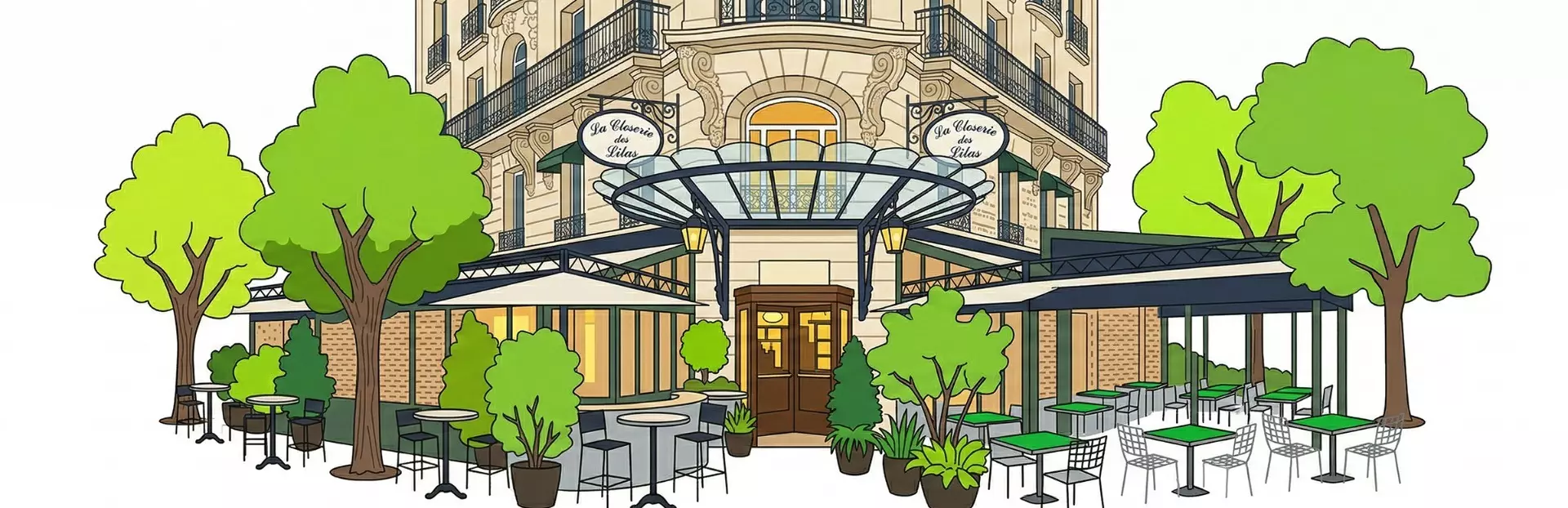
La Closerie des Lilas began as something quite different from the polished restaurant it is today.
In the 19th century, François Bullier built a vast dance hall on this spot, surrounded it with a blooming lilac garden, and called it the "lilac enclosure." Across the street, a modest tavern attached to a postal relay station quietly evolved into one of Paris's most storied cafés.
By the early 20th century, it had attracted Zola, Cézanne and the embryonic Surrealists, who met here in 1922 to draft their artistic manifesto. Three years later, a banquet at the café ended with most participants departing by ambulance. Hemingway, who lived around the corner, wrote here most mornings, calling it "one of the nicest cafés in Paris."
VoiceMap's self-guided audio tours trace the café's transformation from lilac-ringed dance hall to literary institution, placing Hemingway's Paris within the broader story of Montparnasse's golden age.
In the 19th century, François Bullier built a vast dance hall on this spot, surrounded it with a blooming lilac garden, and called it the "lilac enclosure." Across the street, a modest tavern attached to a postal relay station quietly evolved into one of Paris's most storied cafés.
By the early 20th century, it had attracted Zola, Cézanne and the embryonic Surrealists, who met here in 1922 to draft their artistic manifesto. Three years later, a banquet at the café ended with most participants departing by ambulance. Hemingway, who lived around the corner, wrote here most mornings, calling it "one of the nicest cafés in Paris."
VoiceMap's self-guided audio tours trace the café's transformation from lilac-ringed dance hall to literary institution, placing Hemingway's Paris within the broader story of Montparnasse's golden age.

Tours featuring La Closerie des Lilas (1)


Literature
Photography
Music And Performance
Stumble through smoky cafés where Hemingway wrote and Josephine danced

 Walking Tour
|
 75 mins
Download the app for free
VoiceMap
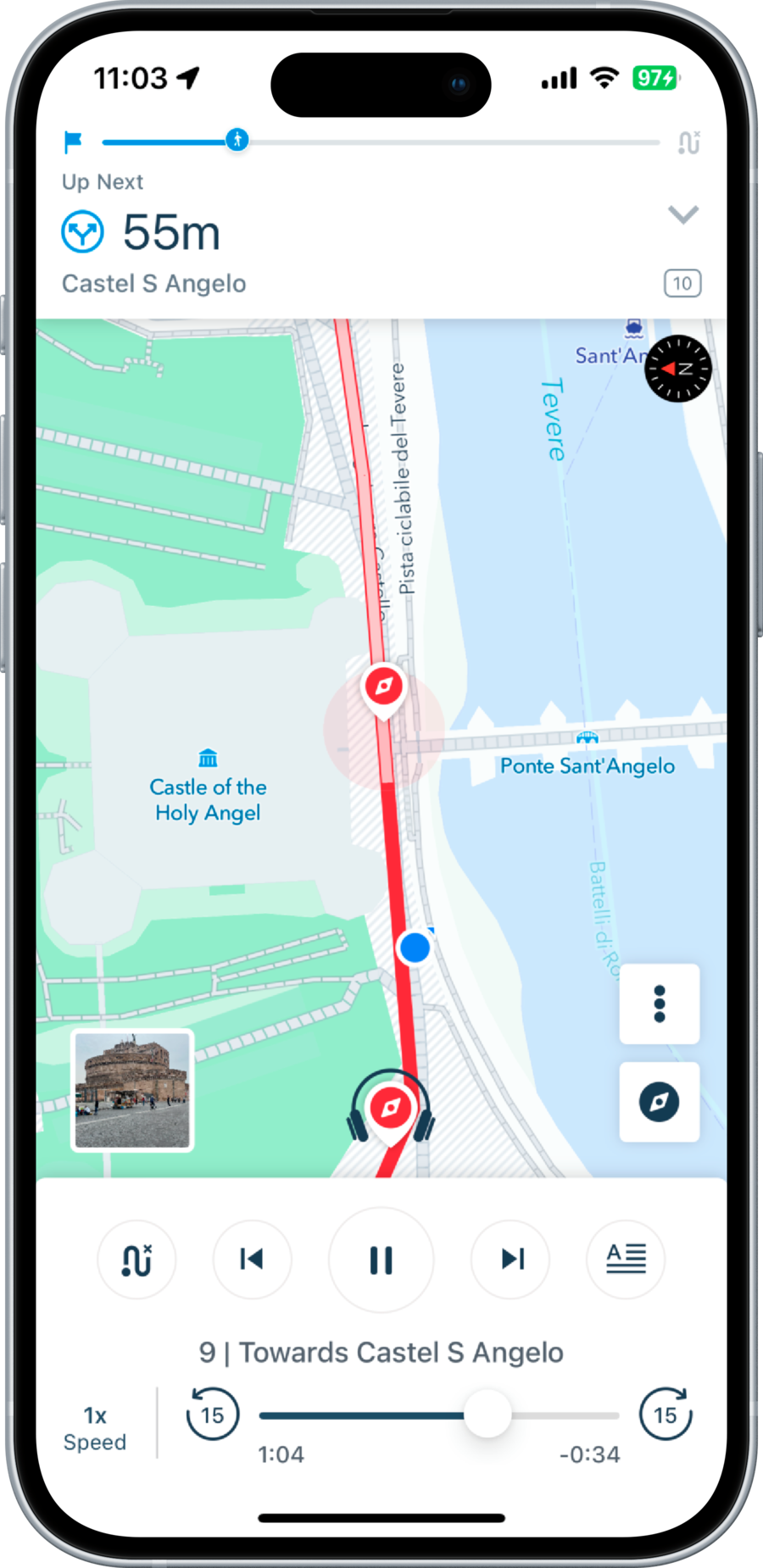
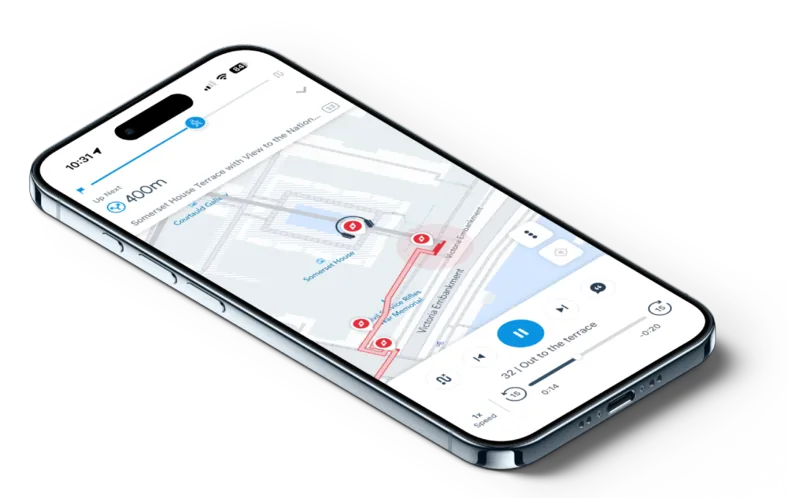
- Download tours to use them offline
- Listen hands-free with GPS playback
- Get turn-by-turn directions


Scan to get app
Download the app for free
VoiceMap




 App of the Day

 Editor’s Choice






Itchy feet? Us too
VoiceMap’s newsletter scratches that itch and stimulates your senses,
every fortnight. Curiosity is the only currency you need to subscribe.

Exploring is easier with a VoiceMap account
To purchase tours, add them to a wishlist, or access them with the VoiceMap app, please sign in or create a VoiceMap account


Exploring is easier with a VoiceMap account
To purchase tours, add them to a wishlist, or access them with the VoiceMap app, please sign in or create a VoiceMap account