







ATTRACTION
The Briggs-Staub House,
New Orleans, Louisiana

About
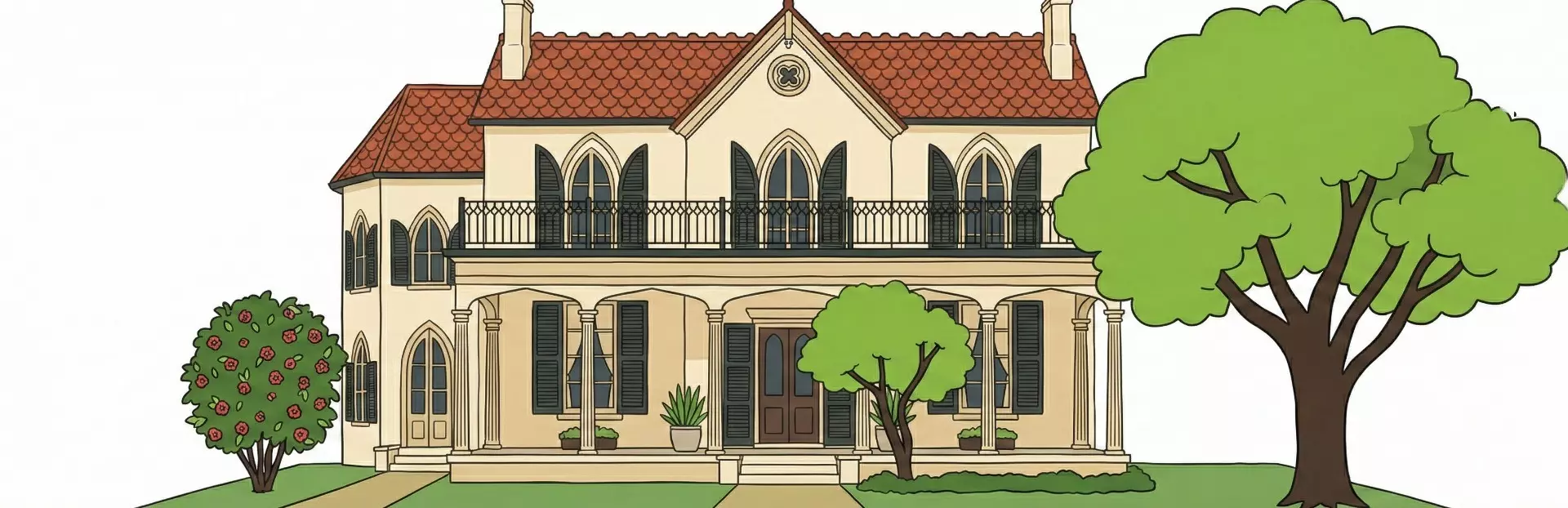
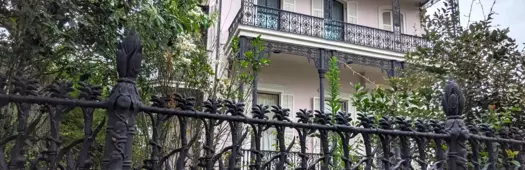
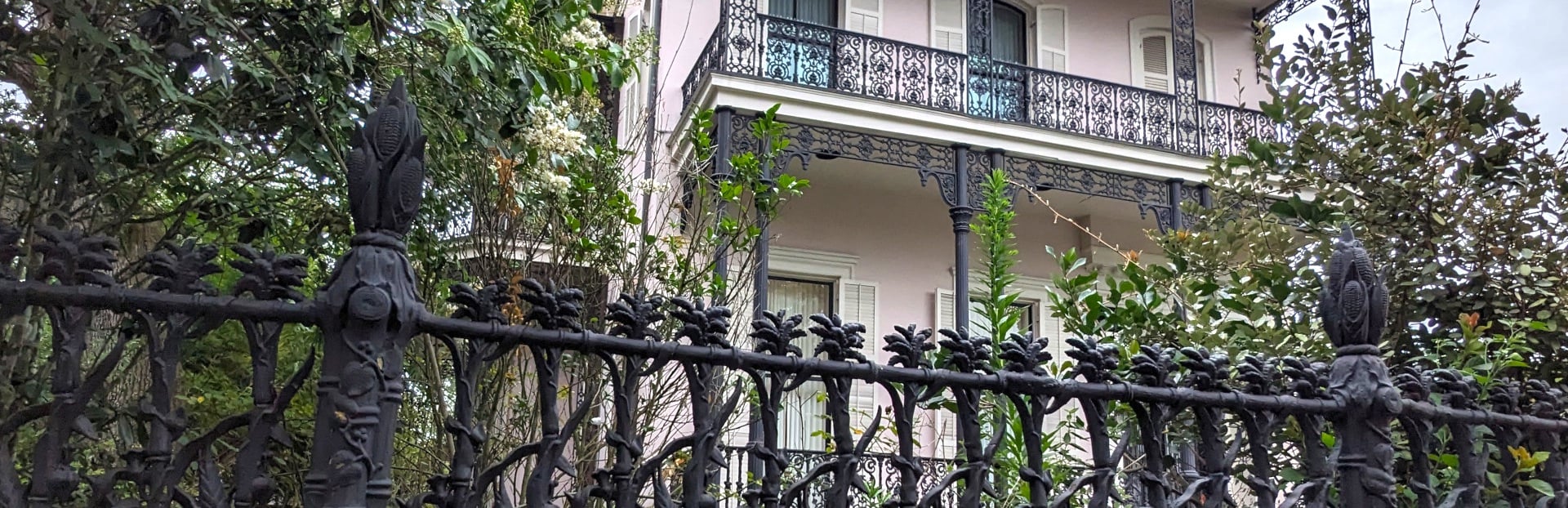
The Briggs-Staub House stands as the Garden District's sole Gothic Revival rebel at 2605 Prytania Street, flaunting pointed-arch windows that horrified its Protestant neighbors in 1849.
It was built for planter Cuthbert Bullitt, who then refused to pay architect James Gallier Jr. after a gambling loss wiped out his fortune. But the house found salvation with Charles Briggs, an English insurance executive who embraced the controversial style.
Briggs defied another local custom by hiring Irish servants rather than enslaving Africans, housing them in the unusually generous matching quarters that still stand beside the main house. The interior abandons strict Gothic compartmentalization for entertainment-friendly spaces, though Gothic detailing threads through every room and across the elaborate facade.
What Protestant Americans feared as Catholic symbolism became the neighborhood's most photographed architectural oddity, surviving Civil War, yellow fever, and decades of conformist pressure to remain the district's singular Gothic statement.
VoiceMap's Garden District tours use the Briggs-Staub House to reveal how religious prejudice shaped New Orleans architecture, explaining why this English-designed house became the neighborhood's forbidden fruit.
It was built for planter Cuthbert Bullitt, who then refused to pay architect James Gallier Jr. after a gambling loss wiped out his fortune. But the house found salvation with Charles Briggs, an English insurance executive who embraced the controversial style.
Briggs defied another local custom by hiring Irish servants rather than enslaving Africans, housing them in the unusually generous matching quarters that still stand beside the main house. The interior abandons strict Gothic compartmentalization for entertainment-friendly spaces, though Gothic detailing threads through every room and across the elaborate facade.
What Protestant Americans feared as Catholic symbolism became the neighborhood's most photographed architectural oddity, surviving Civil War, yellow fever, and decades of conformist pressure to remain the district's singular Gothic statement.
VoiceMap's Garden District tours use the Briggs-Staub House to reveal how religious prejudice shaped New Orleans architecture, explaining why this English-designed house became the neighborhood's forbidden fruit.

Tours featuring the Briggs-Staub House (1)

Oddities And Rarities
Top Sights
Neighbourhoods
Marvel at the historic district’s mansions and eccentric home-owners

 Walking Tour
|
 60 mins
Download the app for free
VoiceMap
- Download tours to use them offline
- Listen hands-free with GPS playback
- Get turn-by-turn directions


Scan to get app
Download the app for free
VoiceMap




 App of the Day

 Editor’s Choice




Explore New Orleans, Louisiana
11 self-guided VoiceMap tours you
can do at your own pace
View New Orleans, Louisiana Tours



Itchy feet? Us too
VoiceMap’s newsletter scratches that itch and stimulates your senses,
every fortnight. Curiosity is the only currency you need to subscribe.

Exploring is easier with a VoiceMap account
To purchase tours, add them to a wishlist, or access them with the VoiceMap app, please sign in or create a VoiceMap account


Exploring is easier with a VoiceMap account
To purchase tours, add them to a wishlist, or access them with the VoiceMap app, please sign in or create a VoiceMap account