






ATTRACTION
Mexico City Metropolitan Cathedral,
Mexico City

About
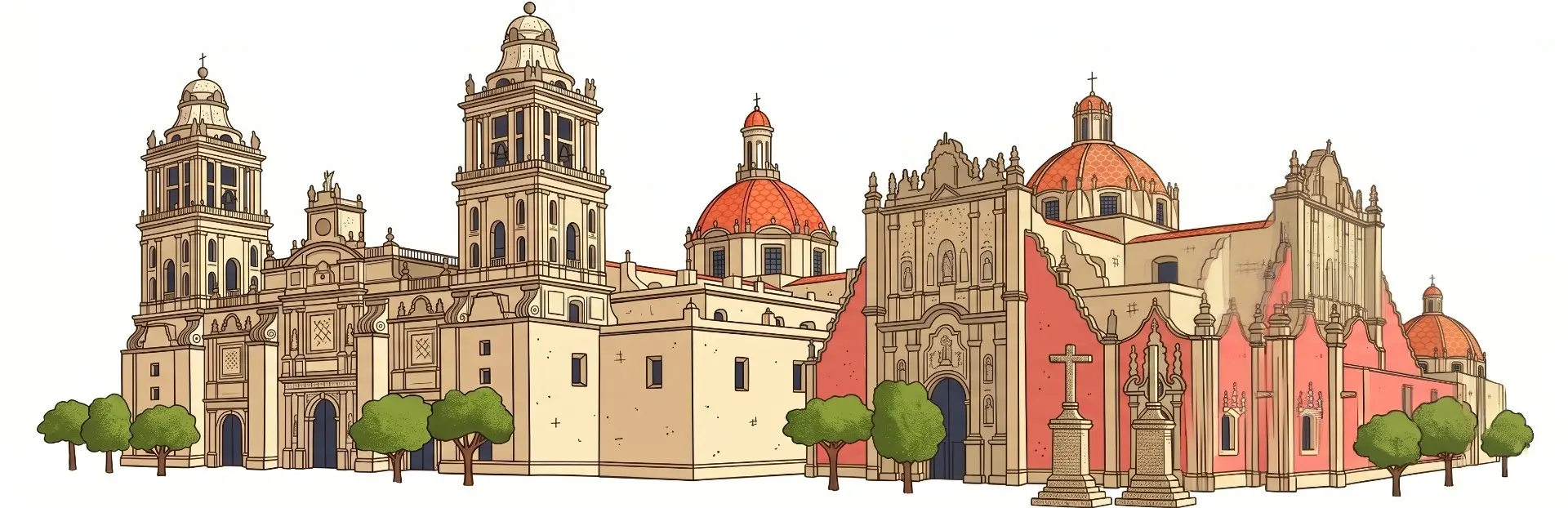
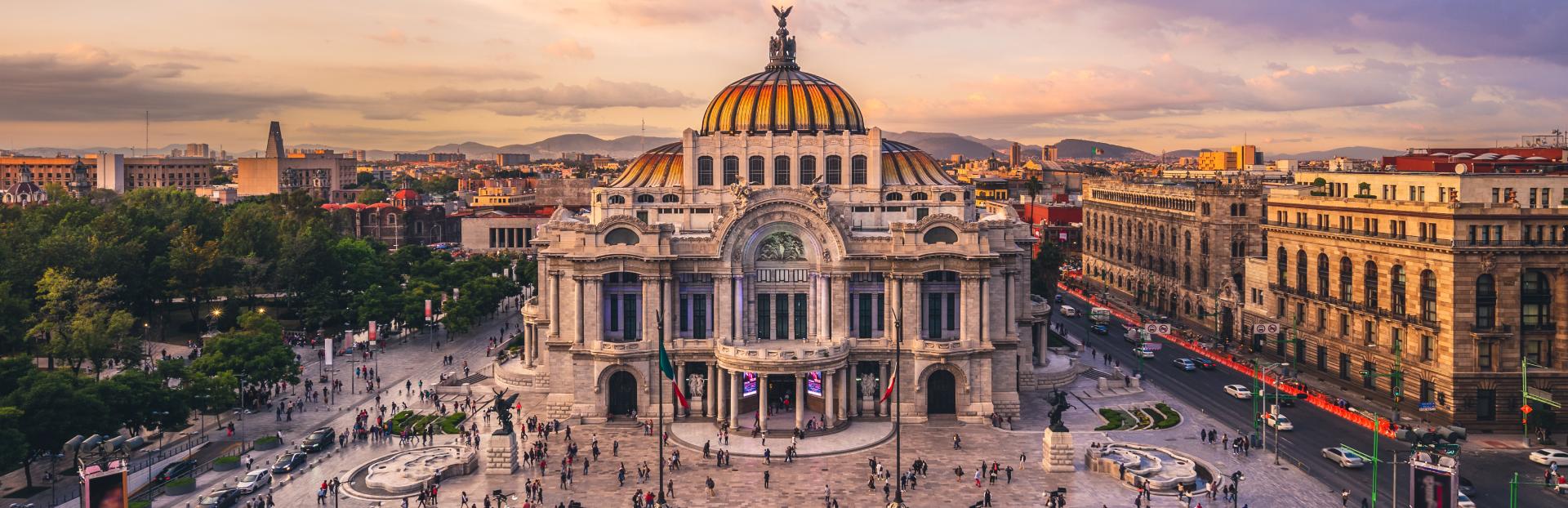
The Metropolitan Cathedral of Mexico City was built on a problem.
The Spanish, determined to construct the largest cathedral in the Americas over the ruins of the Aztec Templo Mayor, soon discovered that marble was far too heavy for the waterlogged soil beneath the Zócalo. They switched to volcanic rock, porous and light.
Even so, by the 1960s, after 250 years of uneven sinking, UNESCO listed it among the world's ten most endangered structures. That slow subsidence is just the beginning. The cathedral took two centuries to finish, which is why its facade is a running argument in stone: Doric columns at ground level, Ionic above the entrance, and Solomonic Baroque columns flanking the side doors.
VoiceMap's self-guided audio tours trace how the cathedral's volcanic tuff and the Sagrario's ornate Churrigueresque stonework arose from the layered history beneath the Zócalo, connecting Aztec foundations to colonial ambition.
The Spanish, determined to construct the largest cathedral in the Americas over the ruins of the Aztec Templo Mayor, soon discovered that marble was far too heavy for the waterlogged soil beneath the Zócalo. They switched to volcanic rock, porous and light.
Even so, by the 1960s, after 250 years of uneven sinking, UNESCO listed it among the world's ten most endangered structures. That slow subsidence is just the beginning. The cathedral took two centuries to finish, which is why its facade is a running argument in stone: Doric columns at ground level, Ionic above the entrance, and Solomonic Baroque columns flanking the side doors.
VoiceMap's self-guided audio tours trace how the cathedral's volcanic tuff and the Sagrario's ornate Churrigueresque stonework arose from the layered history beneath the Zócalo, connecting Aztec foundations to colonial ambition.

Tours featuring Mexico City Metropolitan Cathedral (3)

Nightlife
Scenic Routes
Neighbourhoods
Find out how wars and revolutions transformed Mexico City from its Aztec roots

 Walking Tour
|
 75 mins
Religious Sites
Museums
Ancient History
Dust off layers of history as you unearth Tenochtitlan in the heart of the city
 Walking Tour
|
90 mins
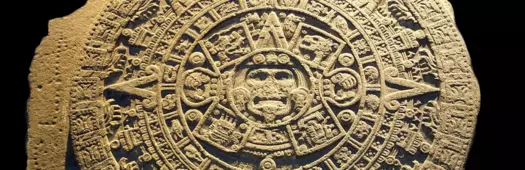
Desempolva capas de historia y descubre Tenochtitlán en el corazón de la ciudad
Walking Tour
|
90 mins
Download the app for free
VoiceMap
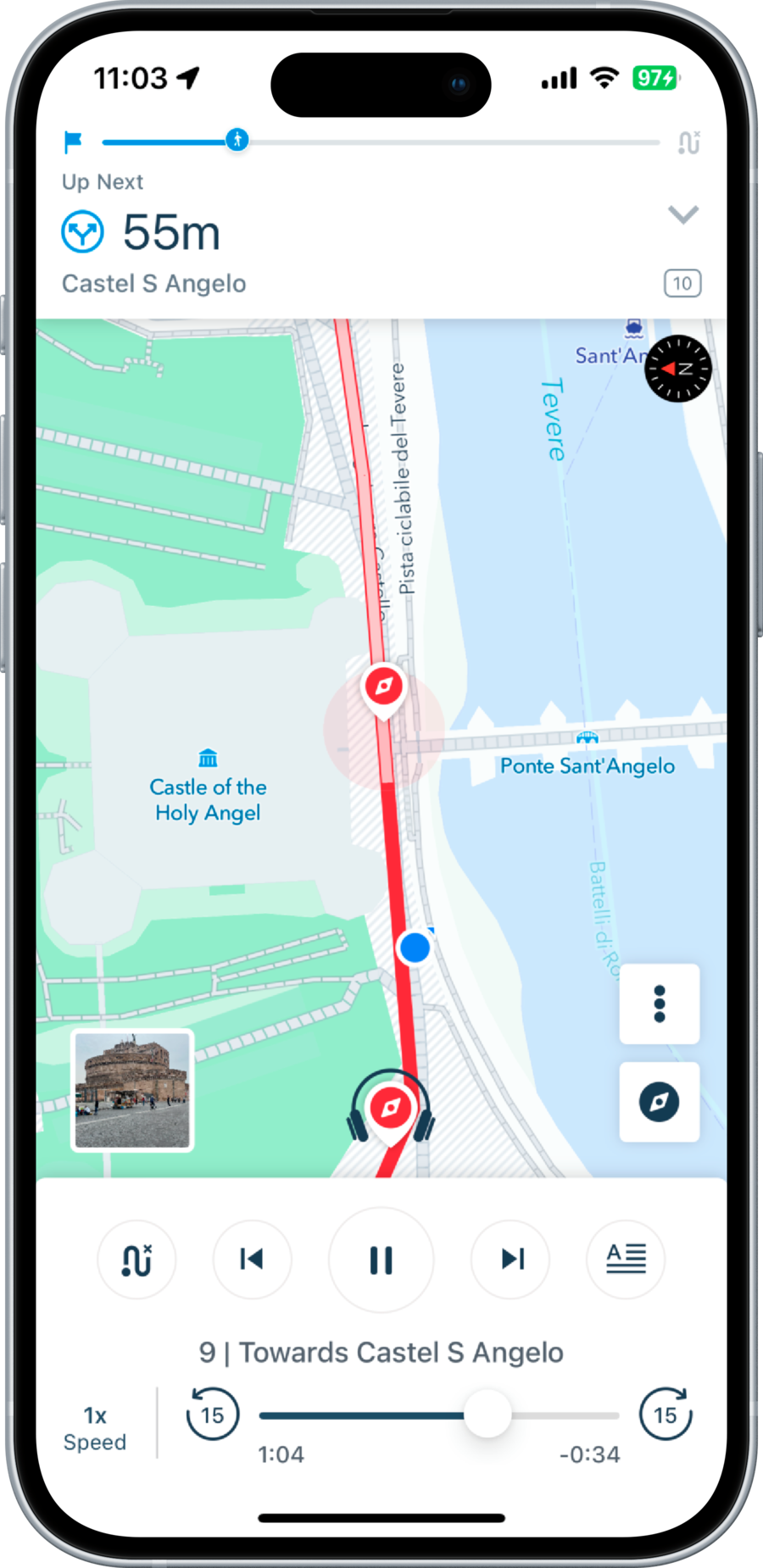
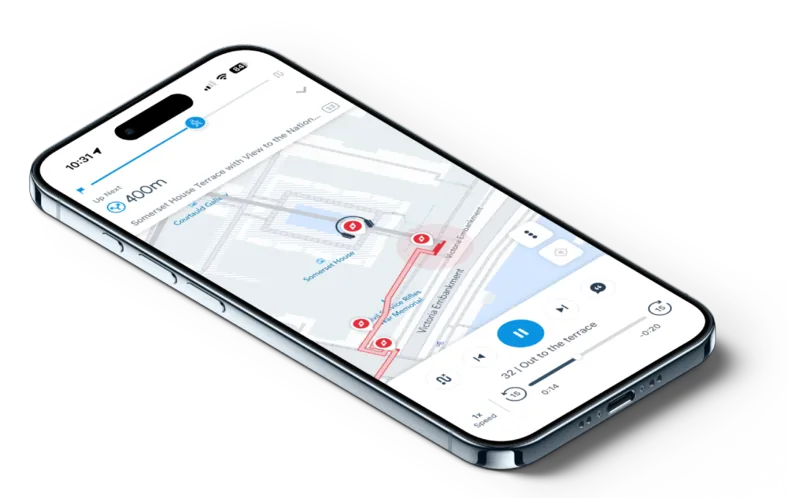
- Download tours to use them offline
- Listen hands-free with GPS playback
- Get turn-by-turn directions


Scan to get app
Download the app for free
VoiceMap




 App of the Day

 Editor’s Choice



Explore Mexico City
10 self-guided VoiceMap tours you
can do at your own pace
View Mexico City Tours



Itchy feet? Us too
VoiceMap’s newsletter scratches that itch and stimulates your senses,
every fortnight. Curiosity is the only currency you need to subscribe.

Exploring is easier with a VoiceMap account
To purchase tours, add them to a wishlist, or access them with the VoiceMap app, please sign in or create a VoiceMap account


Exploring is easier with a VoiceMap account
To purchase tours, add them to a wishlist, or access them with the VoiceMap app, please sign in or create a VoiceMap account