







ATTRACTION
Fortnum and Mason,
London


About
Fortnum and Mason began, improbably, with used candle wax.
In 1707, William Fortnum, a footman in Queen Anne's household, pocketed the palace's half-burned candles each evening, melted them down and sold them at a profit. He persuaded his landlord, Hugh Mason, to go into the grocery business together on Piccadilly, and three centuries later the shop hasn't moved.
The store claims to have invented the Scotch egg in 1738, introduced baked beans to Britain when Henry J. Heinz walked in with five sample cases in 1886, and today keeps beehives on its roof producing Piccadilly London Honey so exclusive there's a waiting list. Every hour, the four-ton facade clock, whose bells were cast by the same foundry as Big Ben's, sends mechanical figures of Mr Fortnum and Mr Mason out to bow to each other.
VoiceMap's self-guided audio tours trace Fortnum's story through St James's, connecting its candle-wax origins to the Royal Warrants, Mason's Yard and the wider history of Piccadilly's aristocratic trade.
In 1707, William Fortnum, a footman in Queen Anne's household, pocketed the palace's half-burned candles each evening, melted them down and sold them at a profit. He persuaded his landlord, Hugh Mason, to go into the grocery business together on Piccadilly, and three centuries later the shop hasn't moved.
The store claims to have invented the Scotch egg in 1738, introduced baked beans to Britain when Henry J. Heinz walked in with five sample cases in 1886, and today keeps beehives on its roof producing Piccadilly London Honey so exclusive there's a waiting list. Every hour, the four-ton facade clock, whose bells were cast by the same foundry as Big Ben's, sends mechanical figures of Mr Fortnum and Mr Mason out to bow to each other.
VoiceMap's self-guided audio tours trace Fortnum's story through St James's, connecting its candle-wax origins to the Royal Warrants, Mason's Yard and the wider history of Piccadilly's aristocratic trade.

Tours featuring Fortnum and Mason (3)
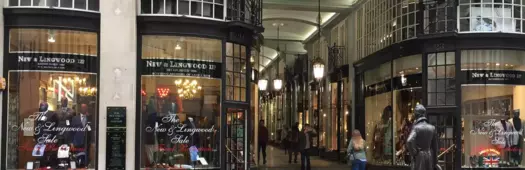

Medieval History
Architecture
Top Sights
Mingle with the cream of London’s high society in this leafy neighbourhood

 Walking Tour
|
 90 mins

Architecture
Neighbourhoods
Local Legends
Savour secrets about Mayfair's musical legends and members-only clubs
 Walking Tour
|
60 mins
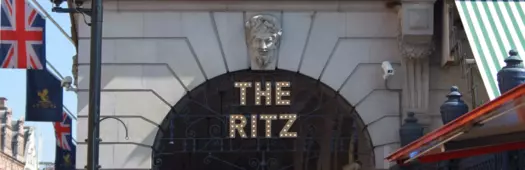
Royal Heritage
Neighbourhoods
Top Sights
Hobnob with royals and aristocrats around London’s most exclusive spots
Walking Tour
|
60 mins
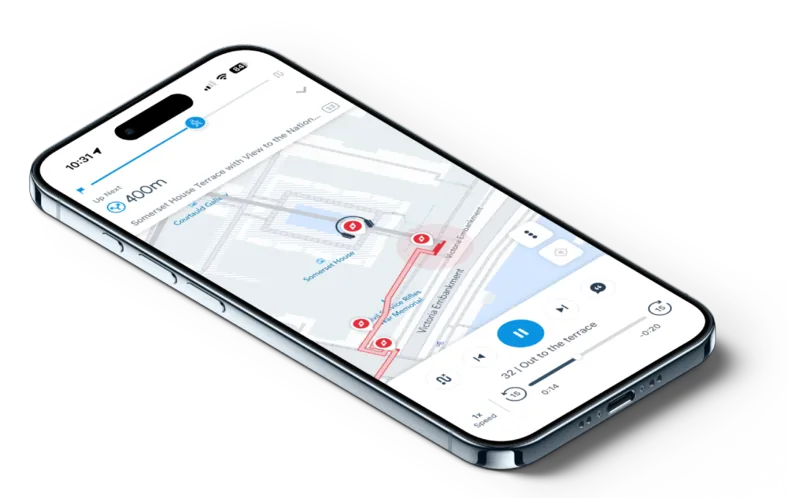
Download the app for free
VoiceMap
- Download tours to use them offline
- Listen hands-free with GPS playback
- Get turn-by-turn directions


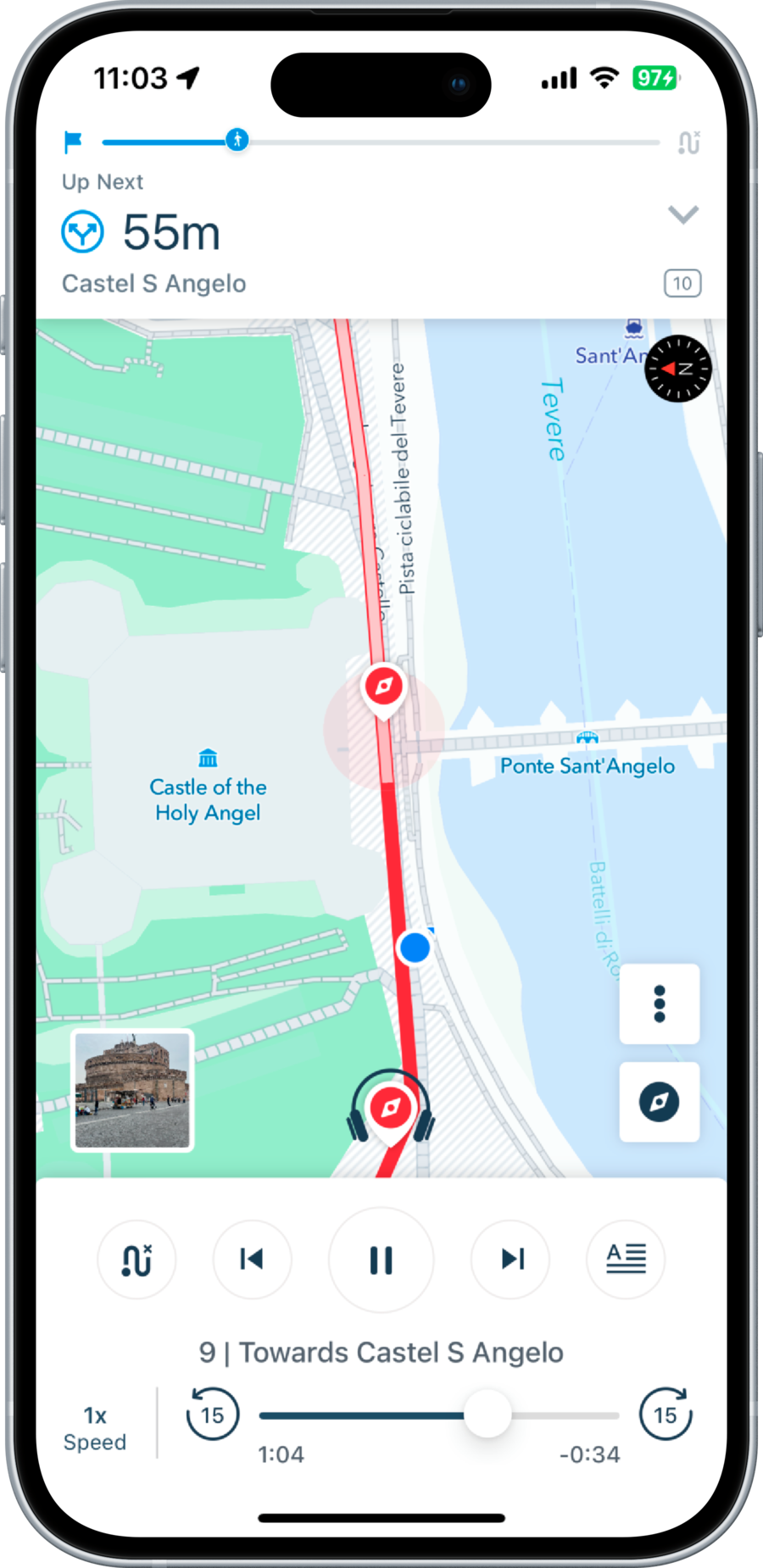
Scan to get app
Download the app for free
VoiceMap




 App of the Day

 Editor’s Choice






Itchy feet? Us too
VoiceMap’s newsletter scratches that itch and stimulates your senses,
every fortnight. Curiosity is the only currency you need to subscribe.

Exploring is easier with a VoiceMap account
To purchase tours, add them to a wishlist, or access them with the VoiceMap app, please sign in or create a VoiceMap account


Exploring is easier with a VoiceMap account
To purchase tours, add them to a wishlist, or access them with the VoiceMap app, please sign in or create a VoiceMap account