





ATTRACTION
Speicherstadt (Wasserschloss),
Hamburg

About
Hamburg joined Germany in 1871, and Otto von Bismarck demanded taxes. Hamburg refused. After ten years of argument, they compromised: the mainland would pay taxes, but these islands would stay duty-free. The Speicherstadt was born from this standoff.
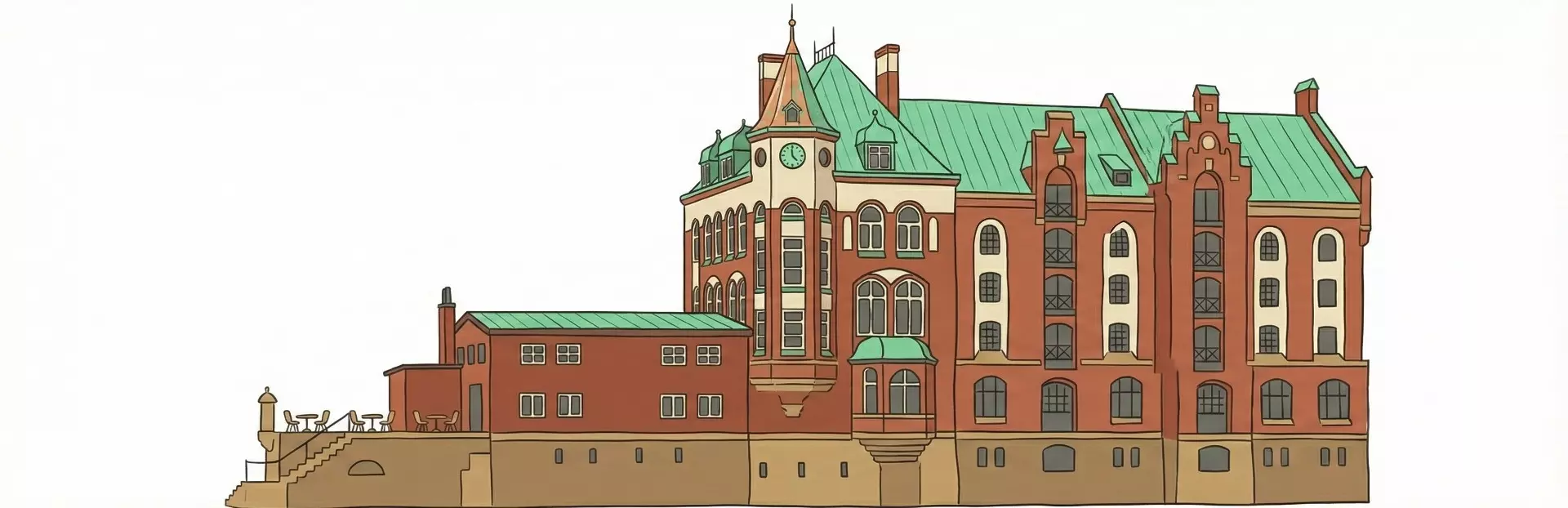
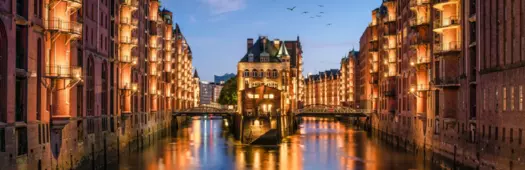
Two medieval neighbourhoods, Wandrahm and Kehrwieder, were demolished to build the warehouse district. Only the Wasserschloss survived. This water palace housed technicians who serviced the electric pulleys and machinery. The Speicherstadt had Hamburg's first electric power plant, installed to prevent fires from destroying the prized district.
The warehouses became obsolete when standardised shipping containers arrived in the 1950s and 60s. The district transformed into a cultural center and became a UNESCO World Heritage Site in 2015. Today it holds museums, theatres, historic coffee roasting houses and the Miniature Wonderland, the world's largest model railway exhibition.
VoiceMap's self-guided audio tours reveal how Bismarck's tax compromise created this duty-free zone, explain why the Wasserschloss alone survived, and trace the district's evolution from working port to cultural landmark.
Two medieval neighbourhoods, Wandrahm and Kehrwieder, were demolished to build the warehouse district. Only the Wasserschloss survived. This water palace housed technicians who serviced the electric pulleys and machinery. The Speicherstadt had Hamburg's first electric power plant, installed to prevent fires from destroying the prized district.
The warehouses became obsolete when standardised shipping containers arrived in the 1950s and 60s. The district transformed into a cultural center and became a UNESCO World Heritage Site in 2015. Today it holds museums, theatres, historic coffee roasting houses and the Miniature Wonderland, the world's largest model railway exhibition.
VoiceMap's self-guided audio tours reveal how Bismarck's tax compromise created this duty-free zone, explain why the Wasserschloss alone survived, and trace the district's evolution from working port to cultural landmark.

Tours featuring Speicherstadt (Wasserschloss) (1)

Ancient History
Scenic Routes
UNESCO Sites
Chart this bustling port’s origins on a walk down a 400-year-old pilgrims’ route

 Walking Tour
|
 60 mins
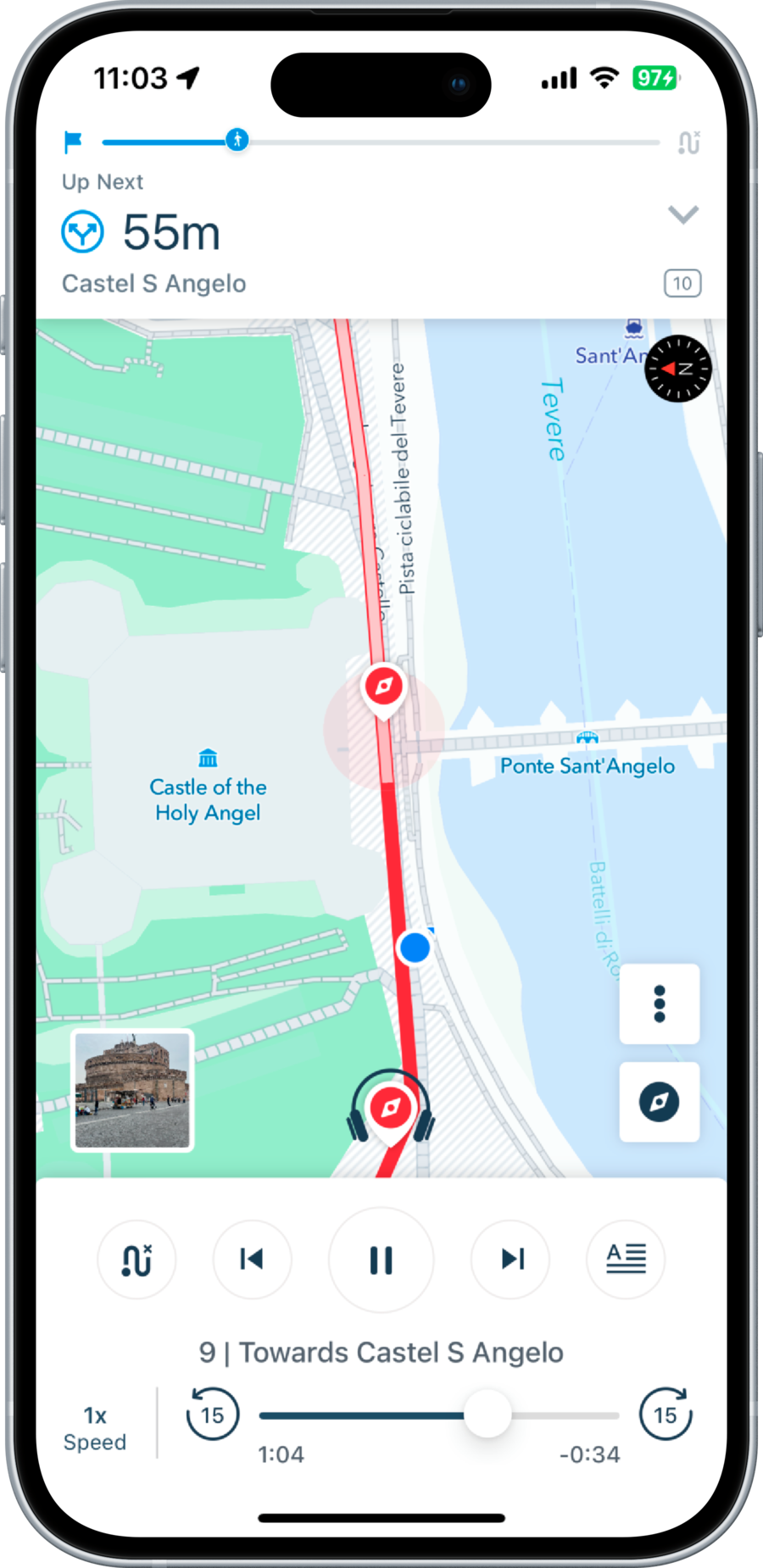
Download the app for free
VoiceMap
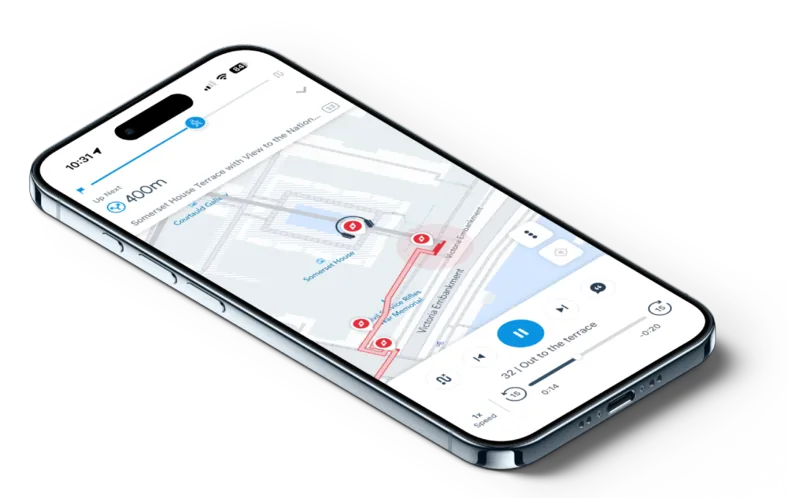
- Download tours to use them offline
- Listen hands-free with GPS playback
- Get turn-by-turn directions


Scan to get app
Download the app for free
VoiceMap




 App of the Day

 Editor’s Choice






Itchy feet? Us too
VoiceMap’s newsletter scratches that itch and stimulates your senses,
every fortnight. Curiosity is the only currency you need to subscribe.

Exploring is easier with a VoiceMap account
To purchase tours, add them to a wishlist, or access them with the VoiceMap app, please sign in or create a VoiceMap account


Exploring is easier with a VoiceMap account
To purchase tours, add them to a wishlist, or access them with the VoiceMap app, please sign in or create a VoiceMap account