







ATTRACTION
The Witches Well,
Edinburgh


About
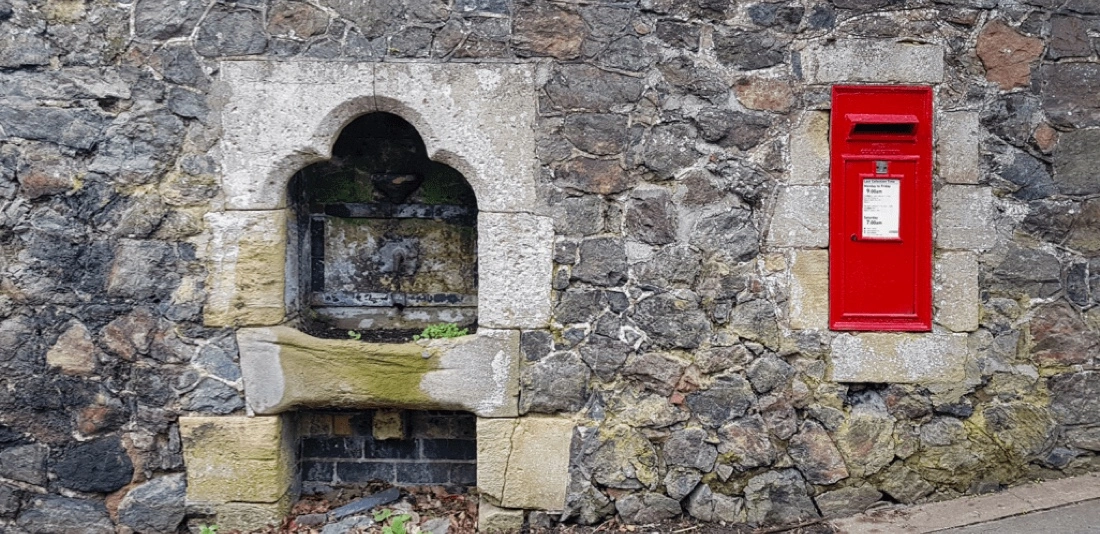
Set into the wall near Edinburgh Castle's esplanade, the Witches Well is easy to miss. Most visitors walk straight past it, eyes on the castle. That, in itself, says something.
The cast iron memorial, mounted here in 1912, marks the spot on Castlehill where more people were executed for witchcraft than anywhere else in Scotland. Over two centuries, more than 4,000 were prosecuted. The majority were women. Many were tortured first.
The well's symbolism repays attention. A snake encircles the head of Hygeia, goddess of health, signifying both wisdom and evil. Foxgloves, associated in Scottish folklore with fairy magic, fill the planting. Healing hands and the evil eye face each other across the ironwork, good and evil in uneasy proximity.
VoiceMap's witchcraft history tour uses the well as its final stop, tracing the full arc from Agnes Sampson's arrest and torture at Holyrood to the burning grounds above. It explains what each symbol means and why, over a century on, calls for a larger memorial have never stopped.
The cast iron memorial, mounted here in 1912, marks the spot on Castlehill where more people were executed for witchcraft than anywhere else in Scotland. Over two centuries, more than 4,000 were prosecuted. The majority were women. Many were tortured first.
The well's symbolism repays attention. A snake encircles the head of Hygeia, goddess of health, signifying both wisdom and evil. Foxgloves, associated in Scottish folklore with fairy magic, fill the planting. Healing hands and the evil eye face each other across the ironwork, good and evil in uneasy proximity.
VoiceMap's witchcraft history tour uses the well as its final stop, tracing the full arc from Agnes Sampson's arrest and torture at Holyrood to the burning grounds above. It explains what each symbol means and why, over a century on, calls for a larger memorial have never stopped.

Tours featuring the Witches Well (5)


Royal Heritage
Local Legends
Top Sights
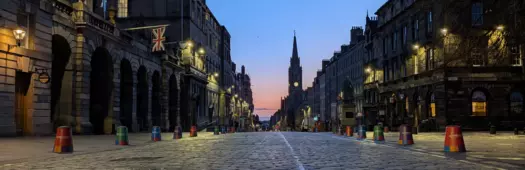
Tune into ancient and modern Scottish tales on one of Europe’s oldest streets

 Walking Tour
|
 90 mins

Scenic Routes
Top Sights
Local Legends
Veer down alleys to find the royals and reformers who coloured Edinburgh's past
 Walking Tour
|
90 mins

Royal Heritage
Social Movements
Architecture
Hear forgotten whispers of female brilliance and bravery along the Royal Mile
 Walking Tour
|
90 mins

Scopri la storia della Scozia su una delle strade più antiche d'Europa.
Walking Tour
|
60 mins
Modern History
Medieval History
Ghosts And Hauntings
Follow Edinburgh’s bloodiest tales, from palace plots to witch trials
 Walking Tour
|
90 mins
Download the app for free
VoiceMap
- Download tours to use them offline
- Listen hands-free with GPS playback
- Get turn-by-turn directions


Scan to get app
Download the app for free
VoiceMap




 App of the Day

 Editor’s Choice







Itchy feet? Us too
VoiceMap’s newsletter scratches that itch and stimulates your senses,
every fortnight. Curiosity is the only currency you need to subscribe.

Exploring is easier with a VoiceMap account
To purchase tours, add them to a wishlist, or access them with the VoiceMap app, please sign in or create a VoiceMap account


Exploring is easier with a VoiceMap account
To purchase tours, add them to a wishlist, or access them with the VoiceMap app, please sign in or create a VoiceMap account