






ATTRACTION
Ha'penny Bridge,
Dublin

About
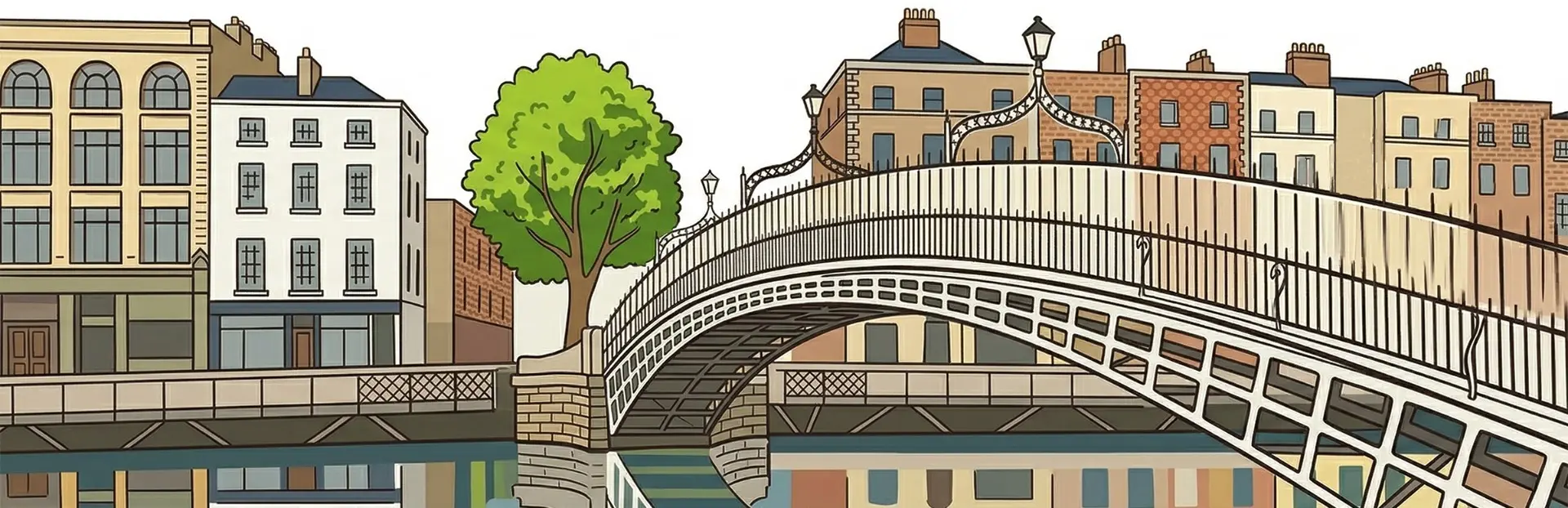
The Ha'penny Bridge has been Dublin's most recognised landmark since it opened in May 1816, though it has spent most of its life under a different name. Originally christened the Wellington Bridge, in honour of the Dublin-born duke who defeated Napoleon only the year before, it shed that identity after Irish independence. Its official name is still the Liffey Bridge. Nobody calls it that.
The bridge came about because a ferry operator named William Walsh was told his seven Liffey ferries were too dilapidated to continue. He built a cast-iron arch instead, using ore from County Leitrim and ribs cast in Shropshire, England. In return, he held the right to charge a ha'penny toll for one hundred years. There were turnstiles at each end.
VoiceMap's self-guided audio tours use the bridge to connect Temple Bar's history with the north quays, tracing the river's role in dividing and reuniting the city.
The bridge came about because a ferry operator named William Walsh was told his seven Liffey ferries were too dilapidated to continue. He built a cast-iron arch instead, using ore from County Leitrim and ribs cast in Shropshire, England. In return, he held the right to charge a ha'penny toll for one hundred years. There were turnstiles at each end.
VoiceMap's self-guided audio tours use the bridge to connect Temple Bar's history with the north quays, tracing the river's role in dividing and reuniting the city.

Tours featuring Ha'penny Bridge (1)


Pop Culture
Neighbourhoods
Architecture
Mingle with merchants, musicians, and mighty Vikings in the medieval city

 Walking Tour
|
 60 mins
Download the app for free
VoiceMap
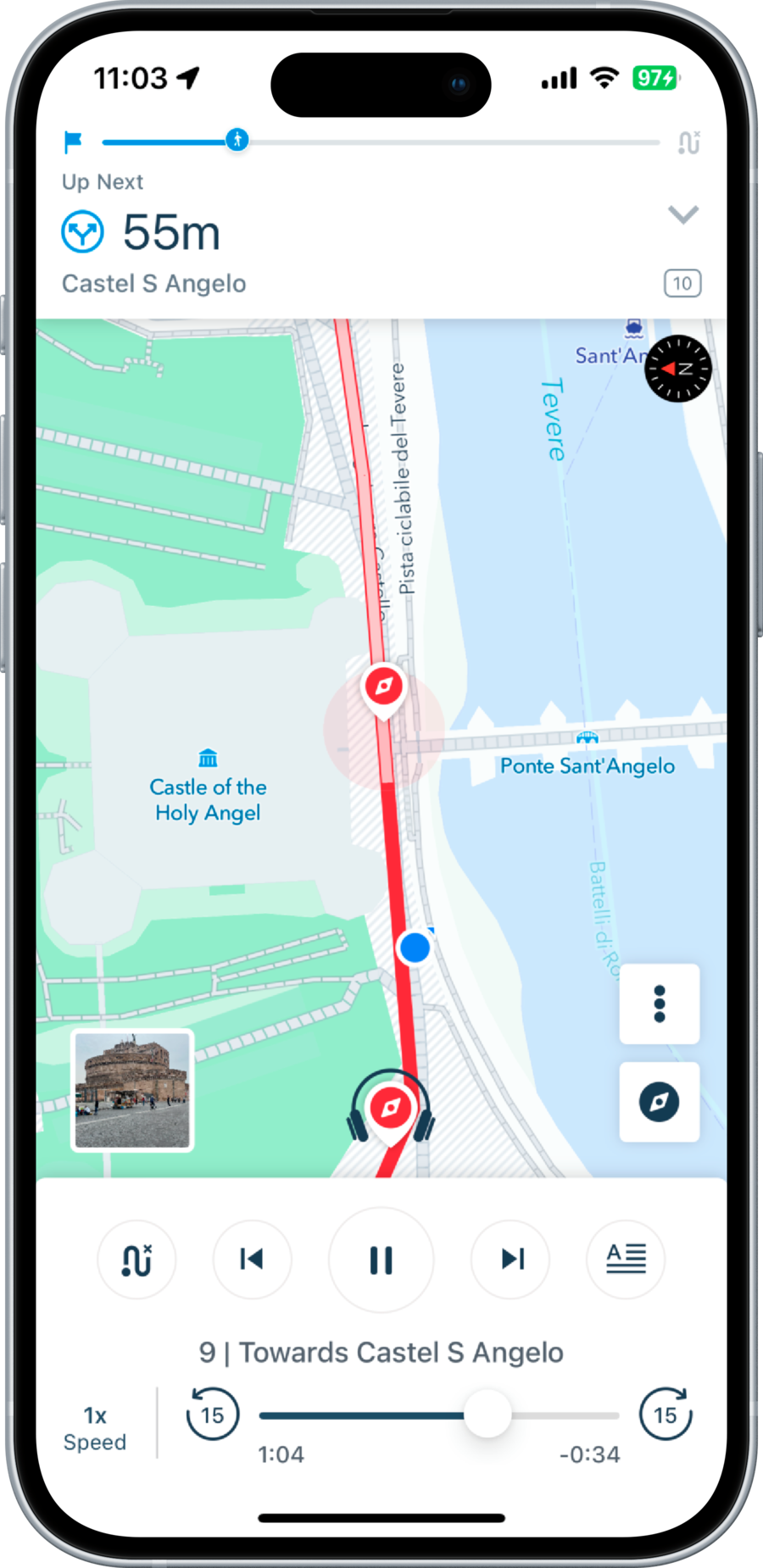
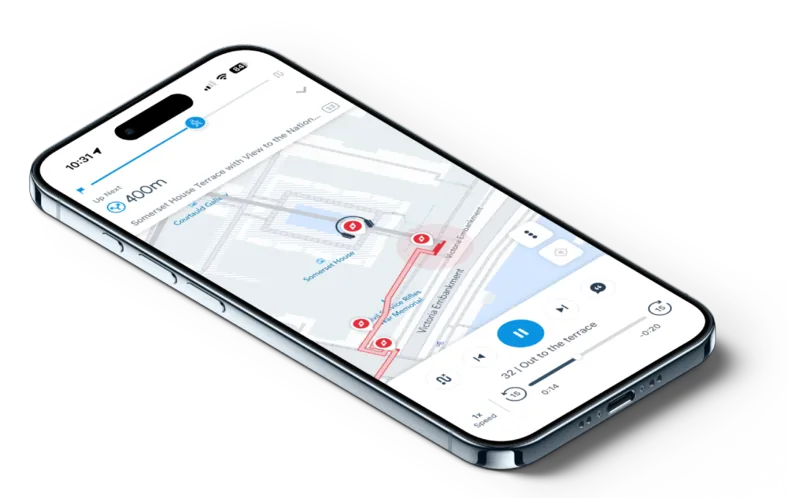
- Download tours to use them offline
- Listen hands-free with GPS playback
- Get turn-by-turn directions


Scan to get app
Download the app for free
VoiceMap




 App of the Day

 Editor’s Choice






Itchy feet? Us too
VoiceMap’s newsletter scratches that itch and stimulates your senses,
every fortnight. Curiosity is the only currency you need to subscribe.

Exploring is easier with a VoiceMap account
To purchase tours, add them to a wishlist, or access them with the VoiceMap app, please sign in or create a VoiceMap account


Exploring is easier with a VoiceMap account
To purchase tours, add them to a wishlist, or access them with the VoiceMap app, please sign in or create a VoiceMap account