







ATTRACTION
Dublin City Hall,
Dublin

About
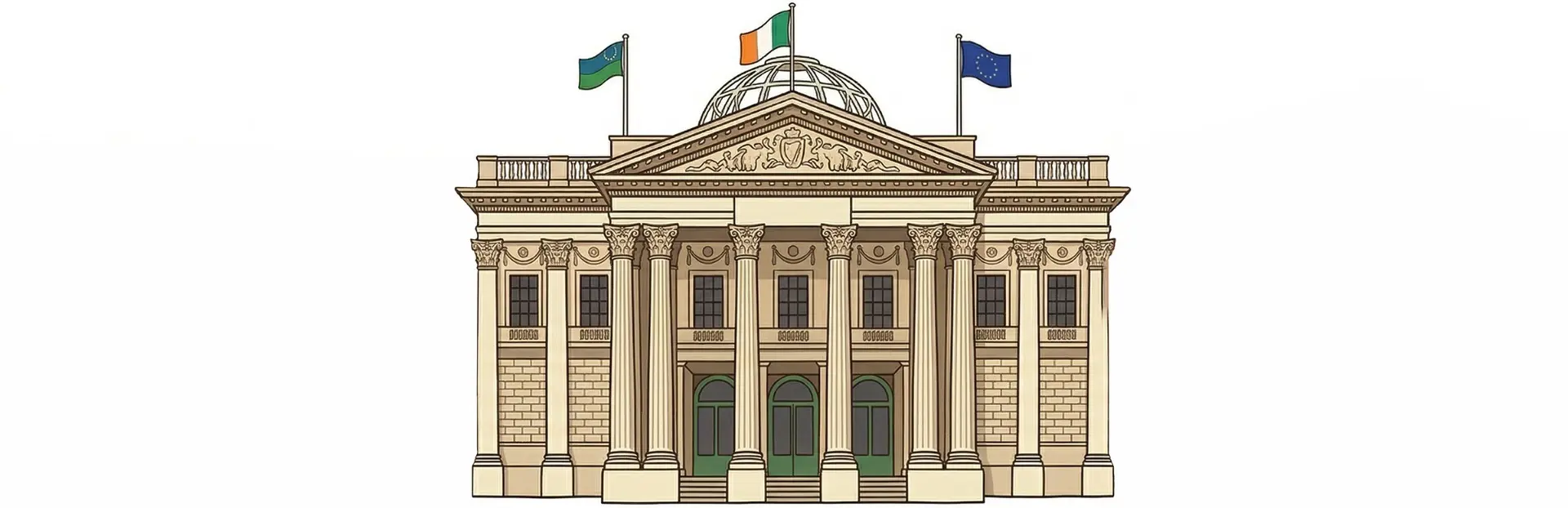
Dublin City Hall began life as the Royal Exchange, built between 1769 and 1779 to a design by Thomas Cooley, who beat sixty other entrants, including the more celebrated James Gandon. The building introduced the neoclassical style to Irish public architecture; its domed rotunda, ringed by twelve Corinthian columns, remains one of the finest interiors in the city.
In 1814, the front balustrade collapsed under a crowd watching a public flogging, killing several people. By 1852, it had been repurposed as a civic headquarters, its coffee room quietly becoming the council chamber. During the 1916 Easter Rising, the Irish Citizen Army seized the building; the first casualty of the rebellion fell at the gate.
VoiceMap's self-guided audio tours use City Hall to trace Dublin's long contest over who governs the city, from British merchant commerce to Irish civic life, with O'Connell's marble statue in the rotunda as the pivot point.
In 1814, the front balustrade collapsed under a crowd watching a public flogging, killing several people. By 1852, it had been repurposed as a civic headquarters, its coffee room quietly becoming the council chamber. During the 1916 Easter Rising, the Irish Citizen Army seized the building; the first casualty of the rebellion fell at the gate.
VoiceMap's self-guided audio tours use City Hall to trace Dublin's long contest over who governs the city, from British merchant commerce to Irish civic life, with O'Connell's marble statue in the rotunda as the pivot point.

Tours featuring Dublin City Hall (1)


Pop Culture
Neighbourhoods
Architecture
Mingle with merchants, musicians, and mighty Vikings in the medieval city

 Walking Tour
|
 60 mins
Download the app for free
VoiceMap
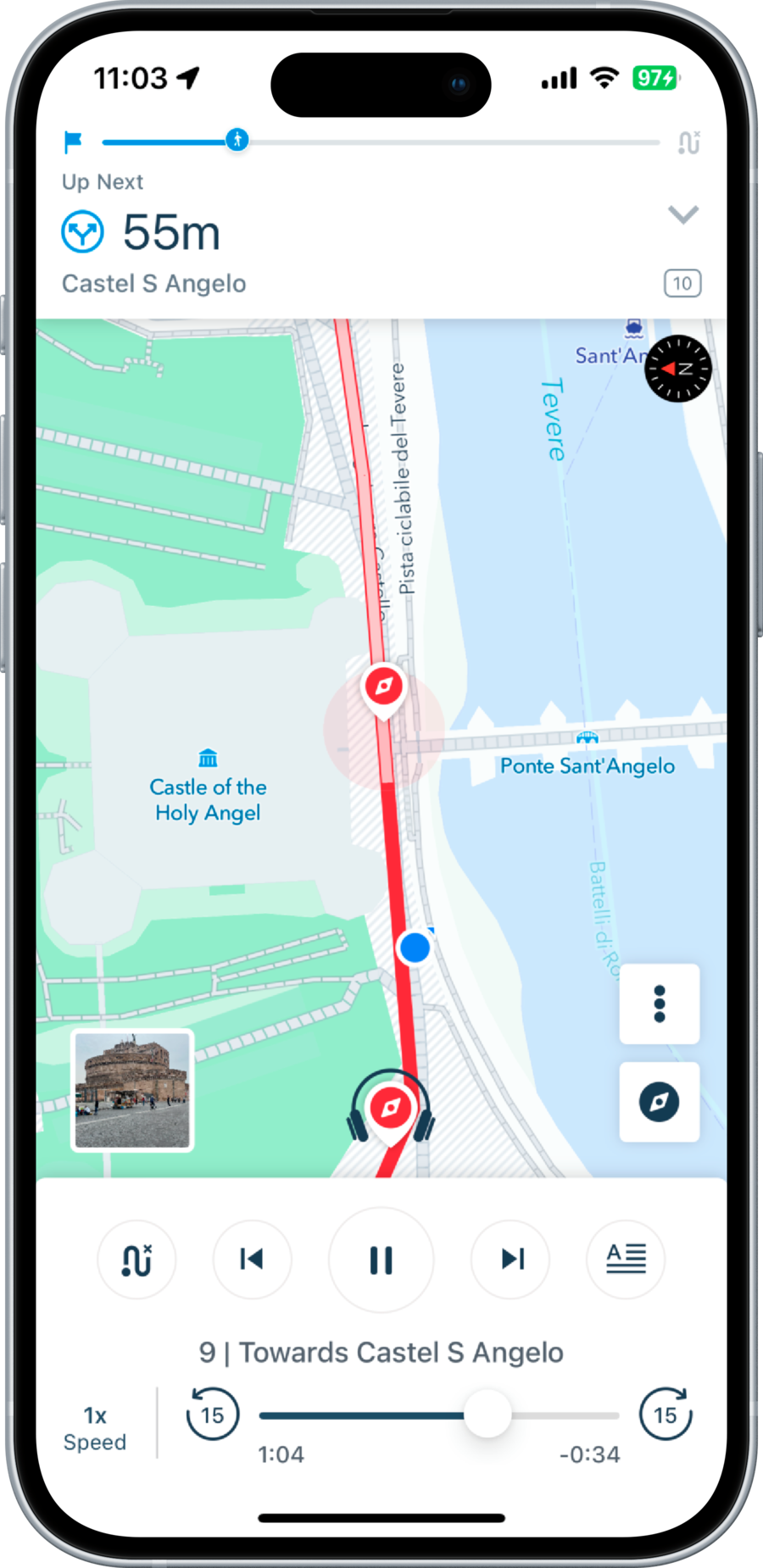
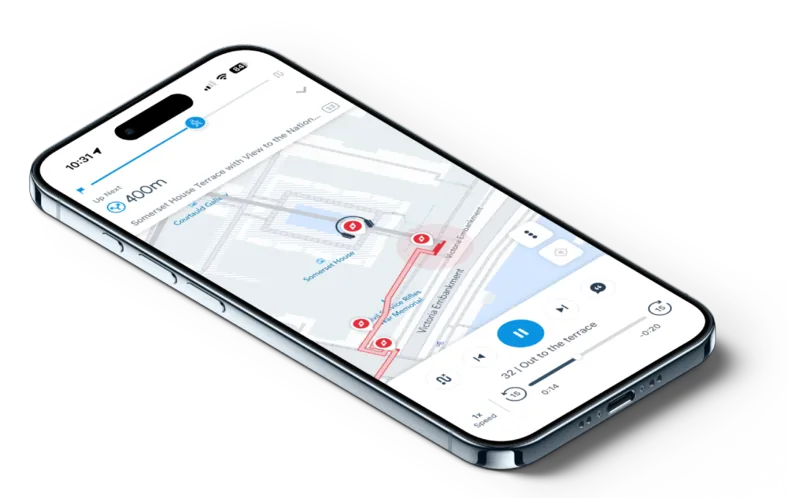
- Download tours to use them offline
- Listen hands-free with GPS playback
- Get turn-by-turn directions


Scan to get app
Download the app for free
VoiceMap




 App of the Day

 Editor’s Choice






Itchy feet? Us too
VoiceMap’s newsletter scratches that itch and stimulates your senses,
every fortnight. Curiosity is the only currency you need to subscribe.

Exploring is easier with a VoiceMap account
To purchase tours, add them to a wishlist, or access them with the VoiceMap app, please sign in or create a VoiceMap account


Exploring is easier with a VoiceMap account
To purchase tours, add them to a wishlist, or access them with the VoiceMap app, please sign in or create a VoiceMap account