





ATTRACTION
Sant Felip Neri Square,
Barcelona

About
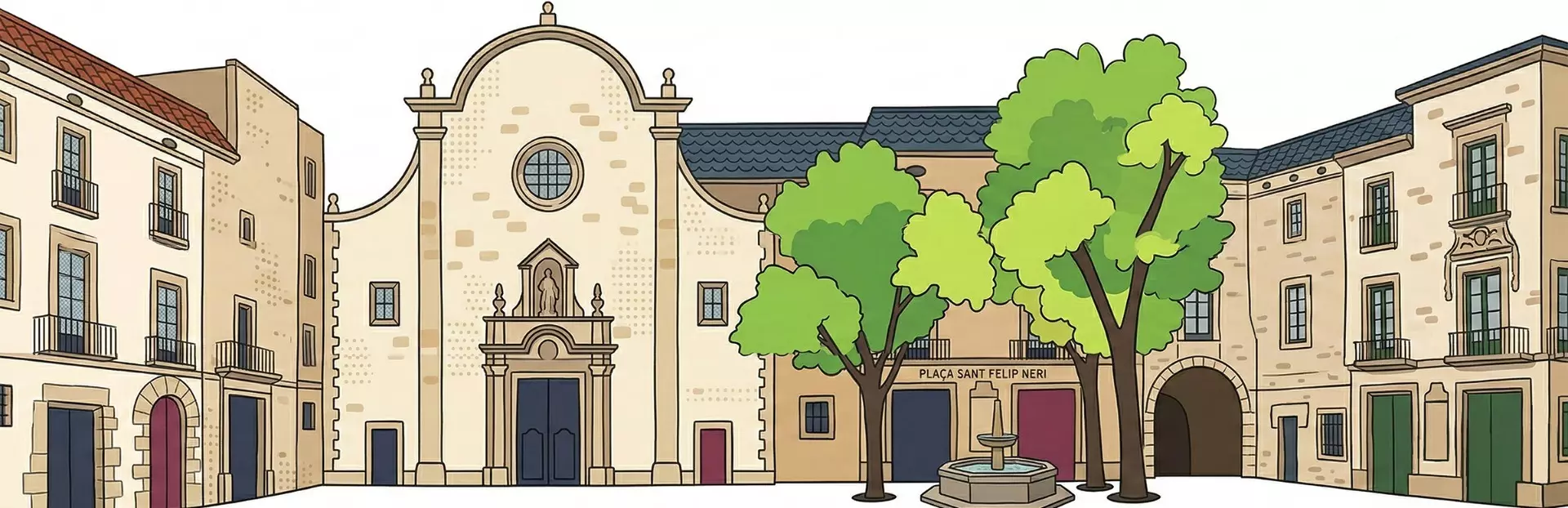
Plaça de Sant Felip Neri is one of those places where the stones do most of the talking. The church wall facing this small Gothic Quarter square is pitted with deep craters, the kind that stop you mid-step.
For decades, Francoist propaganda insisted the marks were bullet holes from anarchist executions of priests. The truth is grimmer: on 30 January 1938, Italian aircraft allied with Franco dropped two bombs here in quick succession, killing 42 people, most of them children sheltering in the church basement.
The Baroque church, built around 1750, was also a place of daily pilgrimage for Antoni Gaudí, who was on his way here when a tram struck him in 1926. He died three days later.
Today, the square's school uses it as a playground each morning. A fountain sits at the centre, missing its statue of Saint Philip (stolen, replaced, stolen again).
VoiceMap's self-guided tours use the square to trace the Civil War's human cost through Barcelona's streets, connecting the bombing to broader stories of fascism, survival and deliberate forgetting.
For decades, Francoist propaganda insisted the marks were bullet holes from anarchist executions of priests. The truth is grimmer: on 30 January 1938, Italian aircraft allied with Franco dropped two bombs here in quick succession, killing 42 people, most of them children sheltering in the church basement.
The Baroque church, built around 1750, was also a place of daily pilgrimage for Antoni Gaudí, who was on his way here when a tram struck him in 1926. He died three days later.
Today, the square's school uses it as a playground each morning. A fountain sits at the centre, missing its statue of Saint Philip (stolen, replaced, stolen again).
VoiceMap's self-guided tours use the square to trace the Civil War's human cost through Barcelona's streets, connecting the bombing to broader stories of fascism, survival and deliberate forgetting.

Tours featuring Sant Felip Neri Square (1)

Markets
Ancient History
Local Legends
Absorb art and unique architecture in the city that inspired Picasso and Gaudi

 Walking Tour
|
 90 mins
Download the app for free
VoiceMap
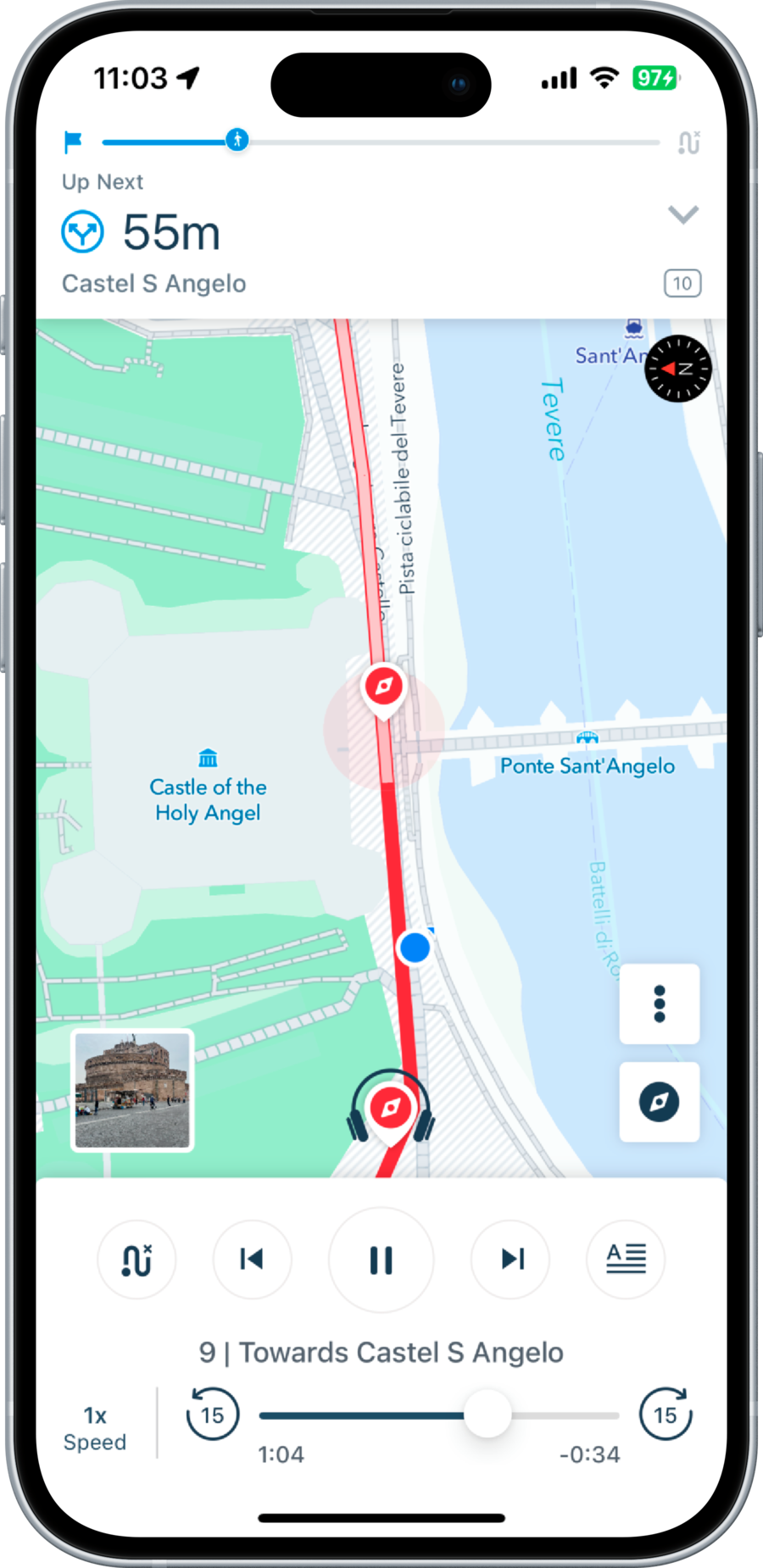
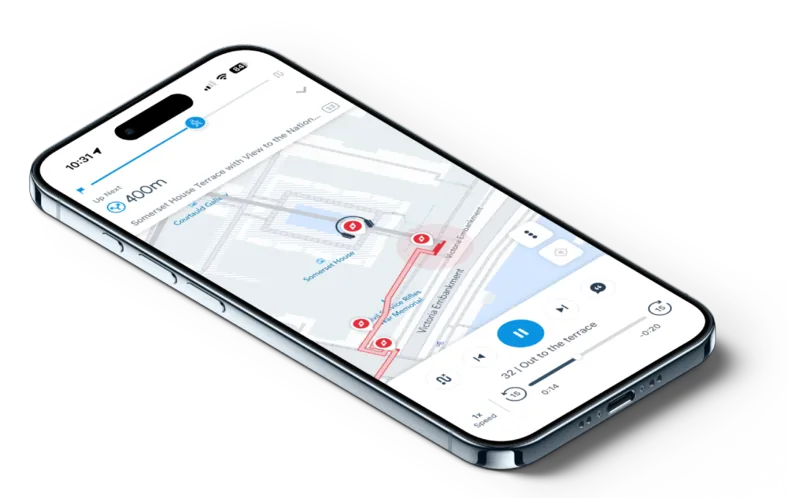
- Download tours to use them offline
- Listen hands-free with GPS playback
- Get turn-by-turn directions


Scan to get app
Download the app for free
VoiceMap




 App of the Day

 Editor’s Choice






Itchy feet? Us too
VoiceMap’s newsletter scratches that itch and stimulates your senses,
every fortnight. Curiosity is the only currency you need to subscribe.

Exploring is easier with a VoiceMap account
To purchase tours, add them to a wishlist, or access them with the VoiceMap app, please sign in or create a VoiceMap account


Exploring is easier with a VoiceMap account
To purchase tours, add them to a wishlist, or access them with the VoiceMap app, please sign in or create a VoiceMap account