





ATTRACTION
Plaça Reial,
Barcelona

About
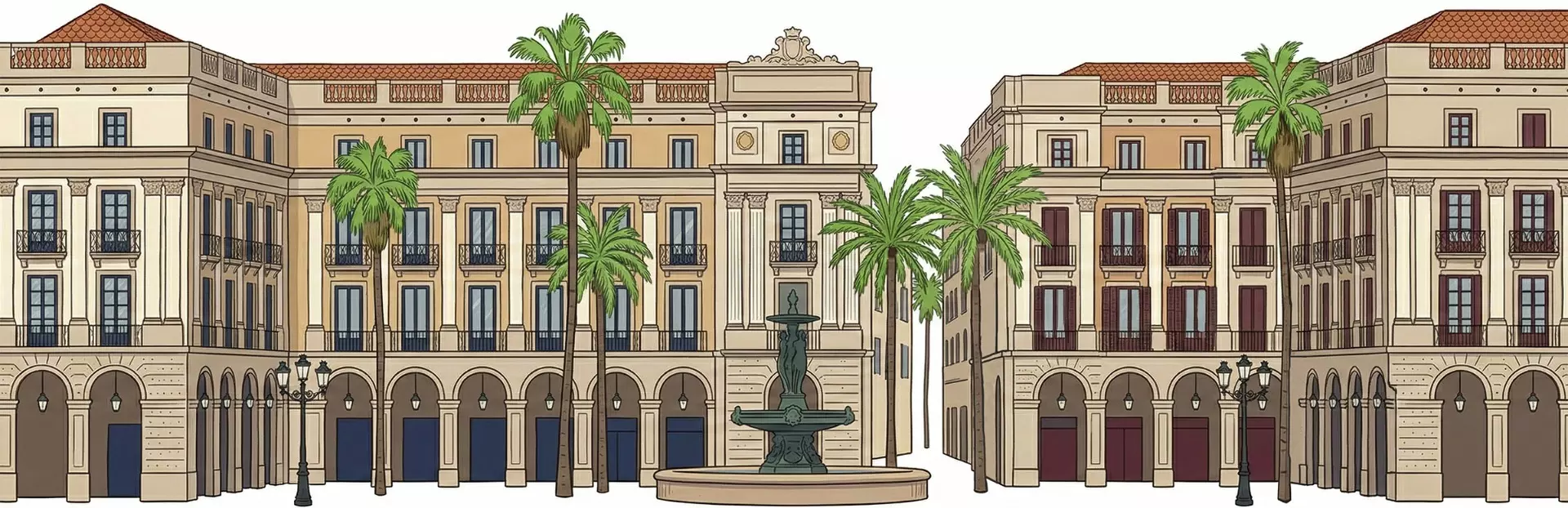
Plaça Reial sits just off La Rambla, tucked behind an archway that makes its sudden openness feel like a held breath released.
A Capuchin convent occupied this ground until 1835, when it was demolished on official orders, leaving a canvas that architect Francesc Daniel Molina filled with neoclassical arcades modelled on the great squares of France. The city originally planned an equestrian statue of Ferdinand VII at the centre, but public resistance scuppered it. A fountain of the Three Graces took the king's spot instead.
Then there are the lampposts. Gaudí designed them in 1878, weeks after finishing his architecture studies, one of only two public commissions he ever completed for the city. Each is topped with two coiled snakes and a winged helmet, symbols of Mercury, the Roman god of commerce. The man who would build Sagrada Família began with streetlights.
VoiceMap's self-guided audio tours use Plaça Reial to trace the Gothic Quarter's shift from monastic land to civic showpiece, connecting Gaudí's early instincts to the neighbourhood's larger story of reinvention.
A Capuchin convent occupied this ground until 1835, when it was demolished on official orders, leaving a canvas that architect Francesc Daniel Molina filled with neoclassical arcades modelled on the great squares of France. The city originally planned an equestrian statue of Ferdinand VII at the centre, but public resistance scuppered it. A fountain of the Three Graces took the king's spot instead.
Then there are the lampposts. Gaudí designed them in 1878, weeks after finishing his architecture studies, one of only two public commissions he ever completed for the city. Each is topped with two coiled snakes and a winged helmet, symbols of Mercury, the Roman god of commerce. The man who would build Sagrada Família began with streetlights.
VoiceMap's self-guided audio tours use Plaça Reial to trace the Gothic Quarter's shift from monastic land to civic showpiece, connecting Gaudí's early instincts to the neighbourhood's larger story of reinvention.

Tours featuring Plaça Reial (1)

Markets
Ancient History
Local Legends
Absorb art and unique architecture in the city that inspired Picasso and Gaudi

 Walking Tour
|
 90 mins
Download the app for free
VoiceMap
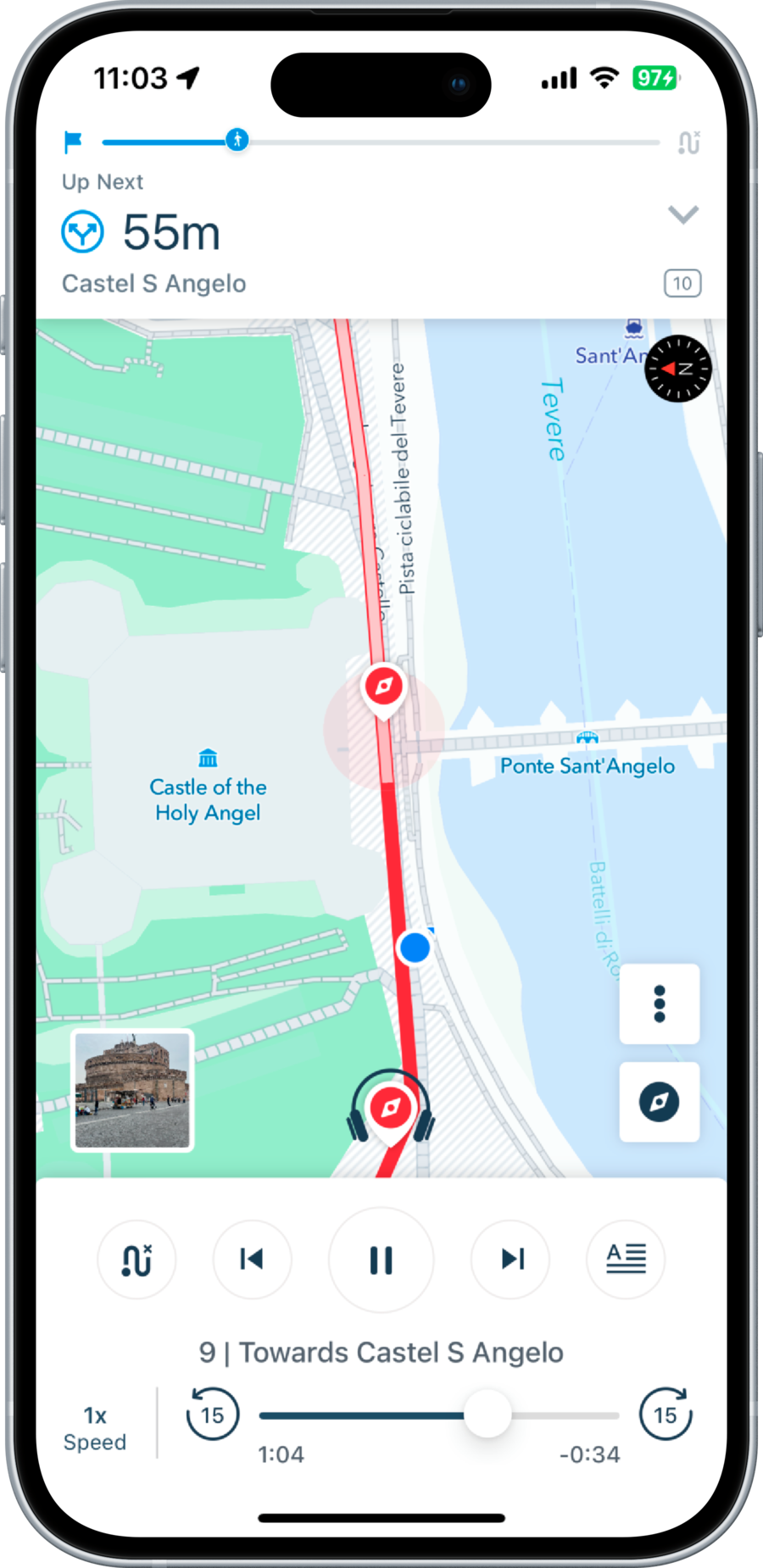
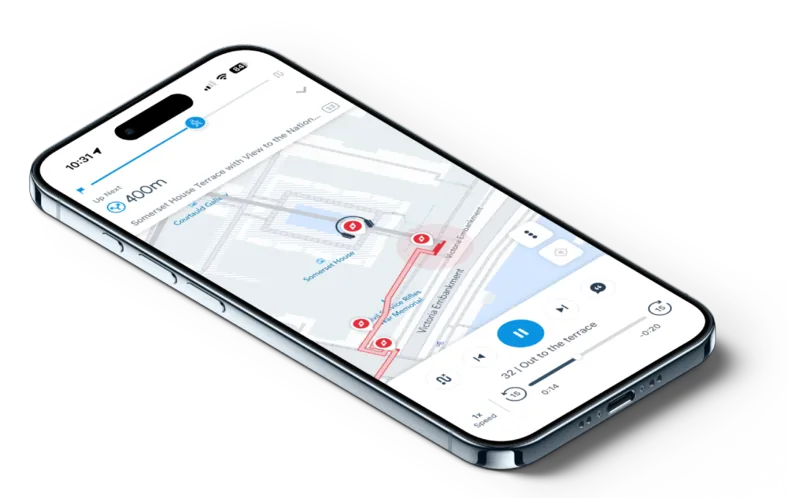
- Download tours to use them offline
- Listen hands-free with GPS playback
- Get turn-by-turn directions


Scan to get app
Download the app for free
VoiceMap




 App of the Day

 Editor’s Choice






Itchy feet? Us too
VoiceMap’s newsletter scratches that itch and stimulates your senses,
every fortnight. Curiosity is the only currency you need to subscribe.

Exploring is easier with a VoiceMap account
To purchase tours, add them to a wishlist, or access them with the VoiceMap app, please sign in or create a VoiceMap account


Exploring is easier with a VoiceMap account
To purchase tours, add them to a wishlist, or access them with the VoiceMap app, please sign in or create a VoiceMap account