







ATTRACTION
The Parthenon,
Athens


About
The Parthenon was never meant to have a straight line. Every column swells, every step curves, every wall leans inward. These optical refinements were calculated to the millimetre, correcting for the odd way human eyes perceive space. The result is a building that looks perfectly straight when nothing about it is.
Built in 15 years using 16,500 blocks of Pentelic marble, it housed a 42-foot statue of Athena carrying 1.2 tons of gold. Yet here's the puzzle: it had no altar. The city's main festival used the Erechtheion next door instead. Was it a temple or a treasury? Scholars still debate. Perhaps it was simply Athens' loudest power statement.
On September 16th, 1687, a Venetian cannonball hit Ottoman gunpowder stored inside, and the building exploded.
VoiceMap's self-guided audio tours trace its transformations from pagan temple to Christian cathedral to mosque, explaining how optical mathematics and wartime explosions shaped what remains today.
Built in 15 years using 16,500 blocks of Pentelic marble, it housed a 42-foot statue of Athena carrying 1.2 tons of gold. Yet here's the puzzle: it had no altar. The city's main festival used the Erechtheion next door instead. Was it a temple or a treasury? Scholars still debate. Perhaps it was simply Athens' loudest power statement.
On September 16th, 1687, a Venetian cannonball hit Ottoman gunpowder stored inside, and the building exploded.
VoiceMap's self-guided audio tours trace its transformations from pagan temple to Christian cathedral to mosque, explaining how optical mathematics and wartime explosions shaped what remains today.

Tours featuring the Parthenon (1)


Ancient History
Architecture
War And Military
Reflect on 2,000 years of Greek influence on a stroll along the hilltop citadel

 Walking Tour
|
 120 mins
Download the app for free
VoiceMap
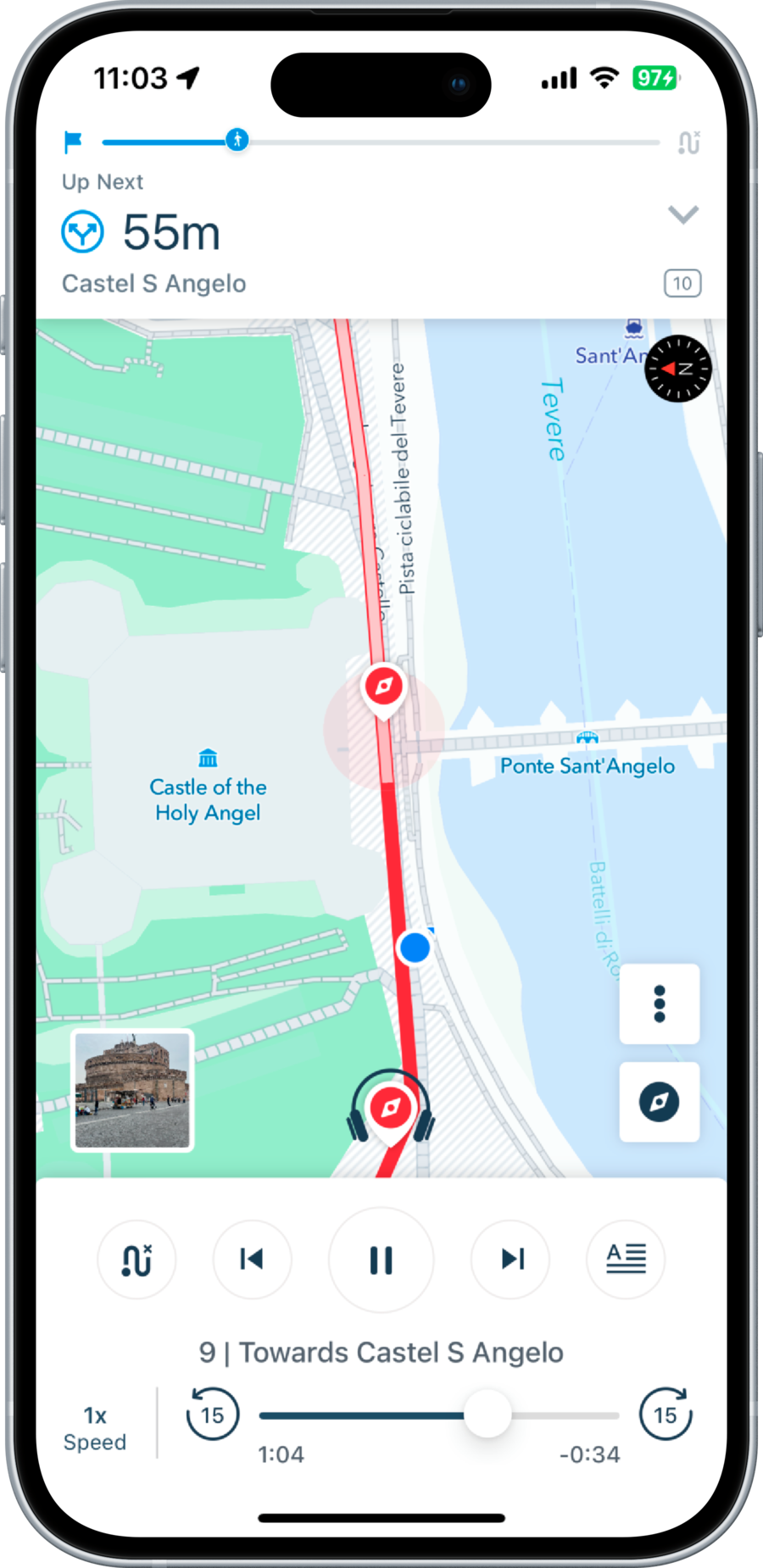
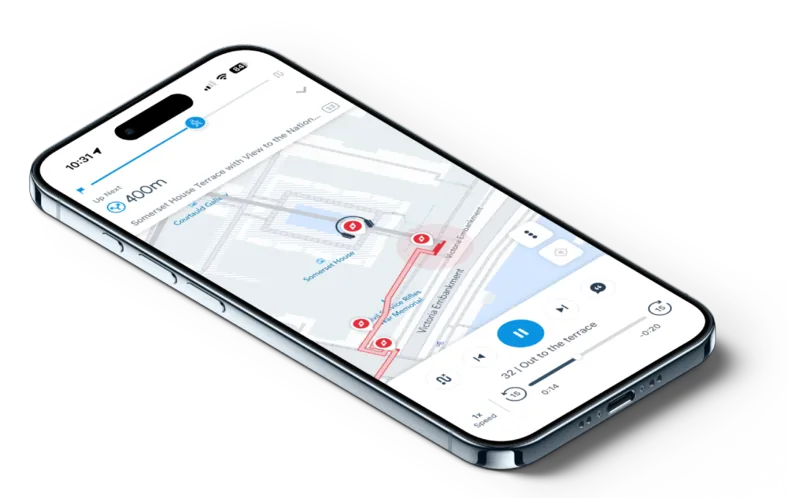
- Download tours to use them offline
- Listen hands-free with GPS playback
- Get turn-by-turn directions


Scan to get app
Download the app for free
VoiceMap




 App of the Day

 Editor’s Choice






Itchy feet? Us too
VoiceMap’s newsletter scratches that itch and stimulates your senses,
every fortnight. Curiosity is the only currency you need to subscribe.

Exploring is easier with a VoiceMap account
To purchase tours, add them to a wishlist, or access them with the VoiceMap app, please sign in or create a VoiceMap account


Exploring is easier with a VoiceMap account
To purchase tours, add them to a wishlist, or access them with the VoiceMap app, please sign in or create a VoiceMap account