







ATTRACTION
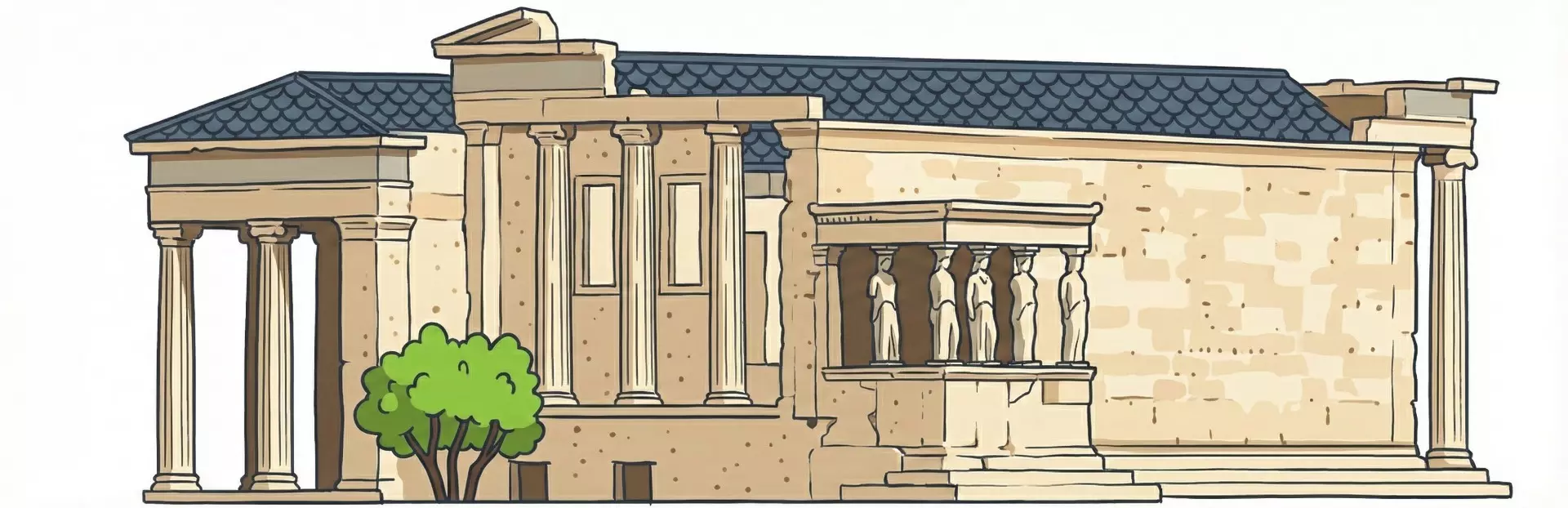
The Erechtheion,
Athens

About
The Erechtheion marks the spot where Athena and Poseidon competed for Athens. Poseidon struck the rock with his trident, and seawater gushed forth, but Athena planted the first olive tree and won.
Ancient Athenians pointed to marks the trident left on bedrock beneath the north porch, and left a hole in the roof to show where it came through. The olive tree growing beside the temple stands where archaeologists found ancient roots.
Six Caryatids support the south porch, standing over the tomb of the mythical king Kekrops. These maidens holding libation bowls have been copied from Chicago to Vienna. Five originals rest in the Acropolis Museum; one ended up in the British Museum. The Bank of England copied the temple's marble portal exactly.
A construction accounts inscription from 408 BCE reveals that half the workforce came from other Greek cities, chosen for skill rather than cost.
VoiceMap's self-guided audio tours explain how this Ionic temple became the blueprint for neoclassical architecture worldwide.
Ancient Athenians pointed to marks the trident left on bedrock beneath the north porch, and left a hole in the roof to show where it came through. The olive tree growing beside the temple stands where archaeologists found ancient roots.
Six Caryatids support the south porch, standing over the tomb of the mythical king Kekrops. These maidens holding libation bowls have been copied from Chicago to Vienna. Five originals rest in the Acropolis Museum; one ended up in the British Museum. The Bank of England copied the temple's marble portal exactly.
A construction accounts inscription from 408 BCE reveals that half the workforce came from other Greek cities, chosen for skill rather than cost.
VoiceMap's self-guided audio tours explain how this Ionic temple became the blueprint for neoclassical architecture worldwide.

Tours featuring the Erechtheion (1)


Ancient History
Architecture
War And Military
Reflect on 2,000 years of Greek influence on a stroll along the hilltop citadel

 Walking Tour
|
 120 mins
Download the app for free
VoiceMap
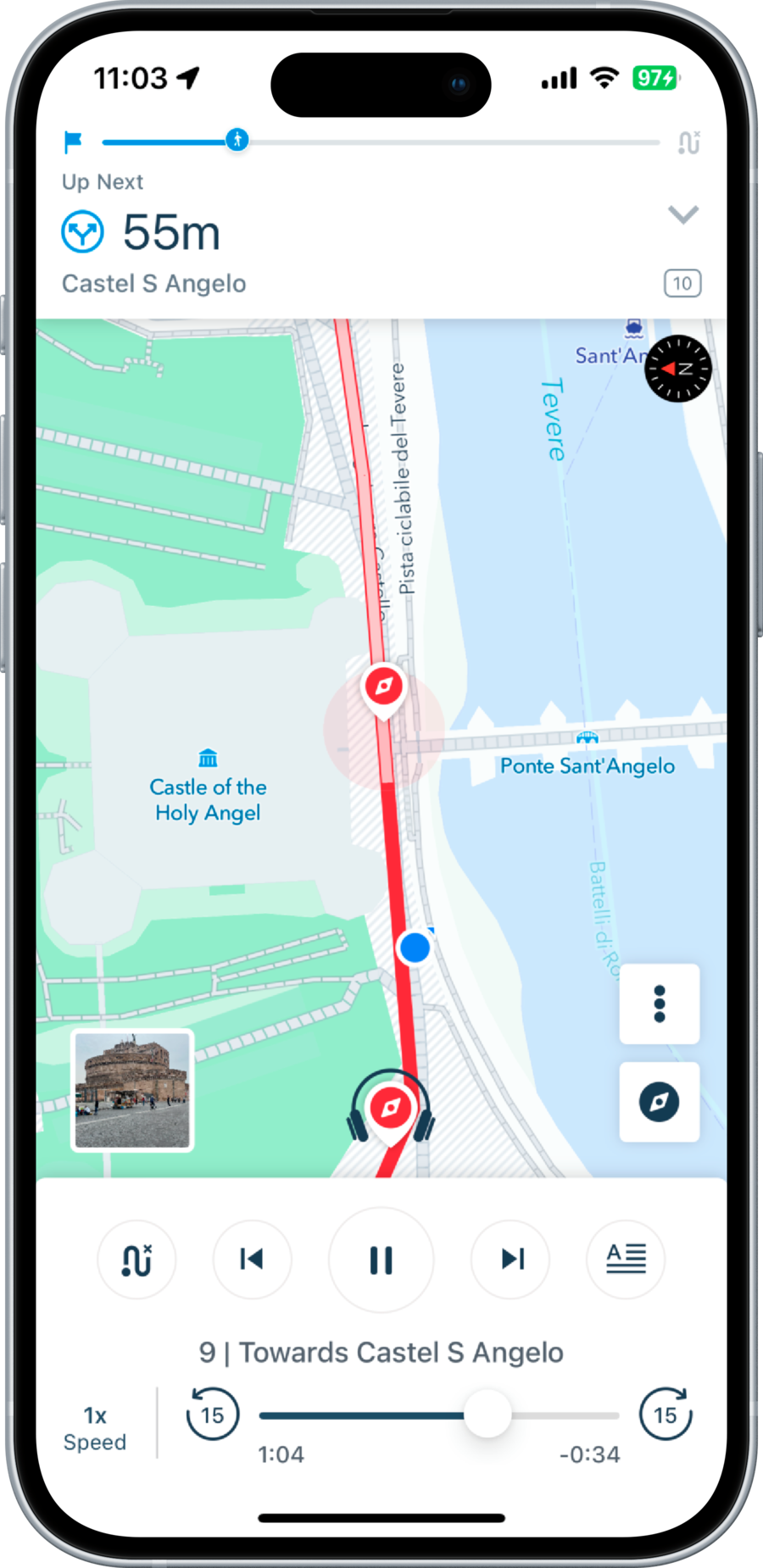
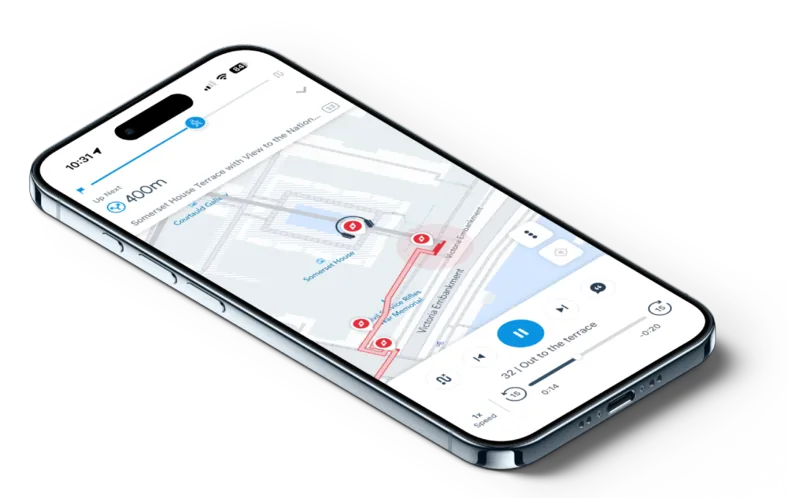
- Download tours to use them offline
- Listen hands-free with GPS playback
- Get turn-by-turn directions


Scan to get app
Download the app for free
VoiceMap




 App of the Day

 Editor’s Choice






Itchy feet? Us too
VoiceMap’s newsletter scratches that itch and stimulates your senses,
every fortnight. Curiosity is the only currency you need to subscribe.

Exploring is easier with a VoiceMap account
To purchase tours, add them to a wishlist, or access them with the VoiceMap app, please sign in or create a VoiceMap account


Exploring is easier with a VoiceMap account
To purchase tours, add them to a wishlist, or access them with the VoiceMap app, please sign in or create a VoiceMap account