






ATTRACTION
St James's Palace,
London

About
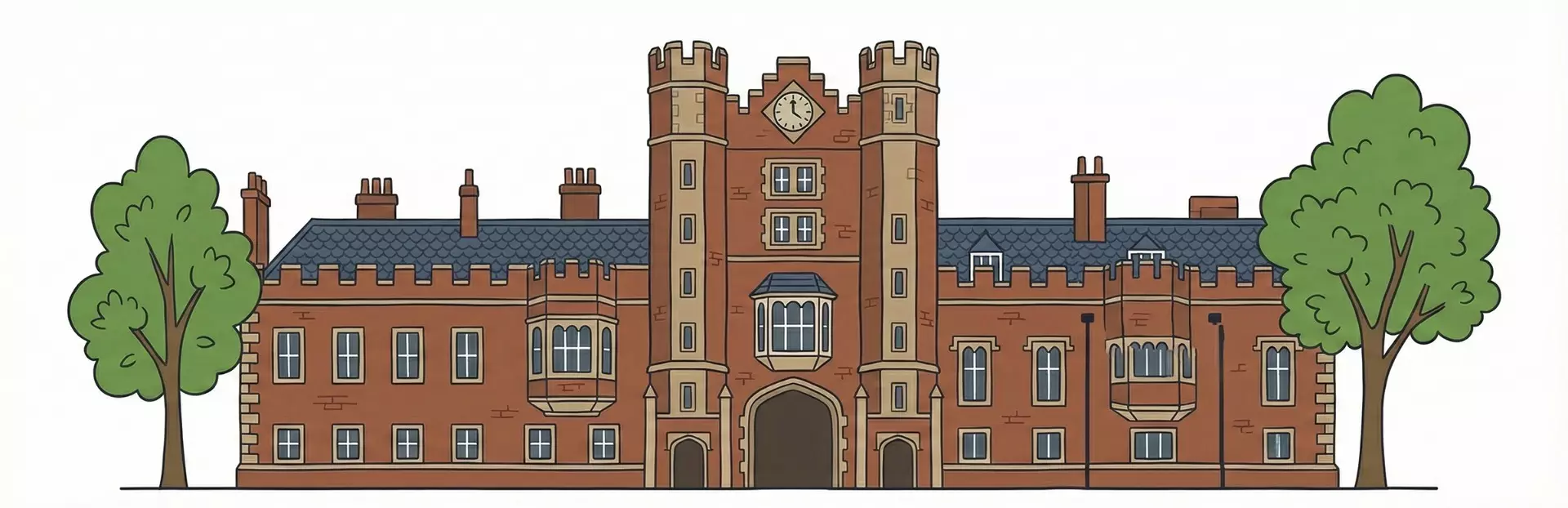
St James's Palace still serves as the official seat of the British monarchy, though no sovereign has actually lived here since George III went mad and Victoria found it poky.
Built by Henry VIII in the 1530s on the site of a leper hospital, it became the principal royal residence after Whitehall Palace burned down in 1698. Foreign ambassadors are still formally accredited to the Court of St James's, a quirk that makes this red-brick Tudor survivor, tucked behind Pall Mall, more diplomatically important than Buckingham Palace.
The palace witnessed Charles I spending his last night before execution and sheltered a young Princess Elizabeth and Princess Anne before they became queens. Its Chapel Royal hosted the weddings of Queen Victoria and George V.
VoiceMap's self-guided audio tours trace the palace's evolution from medieval leper colony to royal nerve centre, revealing how this working palace shaped British constitutional history and explaining why every British monarch is still proclaimed from its balcony.
Built by Henry VIII in the 1530s on the site of a leper hospital, it became the principal royal residence after Whitehall Palace burned down in 1698. Foreign ambassadors are still formally accredited to the Court of St James's, a quirk that makes this red-brick Tudor survivor, tucked behind Pall Mall, more diplomatically important than Buckingham Palace.
The palace witnessed Charles I spending his last night before execution and sheltered a young Princess Elizabeth and Princess Anne before they became queens. Its Chapel Royal hosted the weddings of Queen Victoria and George V.
VoiceMap's self-guided audio tours trace the palace's evolution from medieval leper colony to royal nerve centre, revealing how this working palace shaped British constitutional history and explaining why every British monarch is still proclaimed from its balcony.

Tours featuring St James's Palace (9)


Top Sights
Parks And Gardens
Royal Heritage
Discover hidden secrets and get the inside scoop on London's most famous sights

 Walking Tour
|
 90 mins
De verborgen geheimen en de beroemdste bezienswaardigheden
Walking Tour
|
60 mins

New Tour
No ratings yet
$11.99
Medieval History
Architecture
Top Sights
Mingle with the cream of London’s high society in this leafy neighbourhood
 Walking Tour
|
90 mins
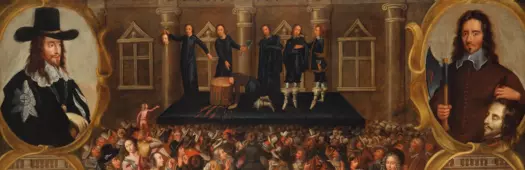
Scenic Routes
Revolution
Royal Heritage
Retrace the final steps of King Charles I from palace to execution block
Walking Tour
|
90 mins
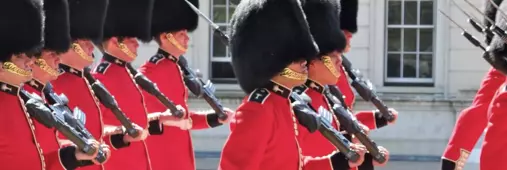
Royal Heritage
Modern History
Top Sights
Decode the symbols behind the ceremony and its guardsmens' iconic uniforms
 Walking Tour
|
90 mins
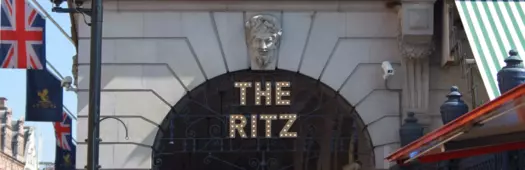
Royal Heritage
Neighbourhoods
Top Sights
Hobnob with royals and aristocrats around London’s most exclusive spots
 Walking Tour
|
60 mins
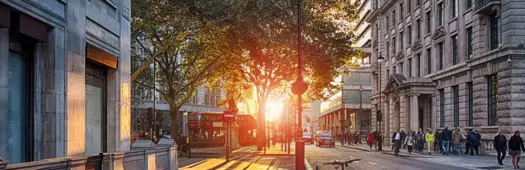
Industrial Revolution
Modern History
Parks And Gardens
Imagine life as one of St James’ aristocrats and hear about its humble origins
 Walking Tour
|
75 mins

Literature
Scenic Routes
Public Art
Relive the highs and lows of the much-loved playwright's time in the city
 Walking Tour
|
45 mins
Local Legends
Crime And Mystery
Ghosts And Hauntings
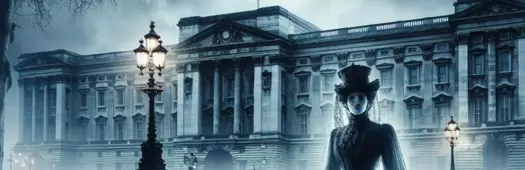
Discover what goes bump in the night on a spooky walk to London's highlights
 Walking Tour
|
75 mins
Download the app for free
VoiceMap
- Download tours to use them offline
- Listen hands-free with GPS playback
- Get turn-by-turn directions


Scan to get app
Download the app for free
VoiceMap




 App of the Day

 Editor’s Choice







Itchy feet? Us too
VoiceMap’s newsletter scratches that itch and stimulates your senses,
every fortnight. Curiosity is the only currency you need to subscribe.

Exploring is easier with a VoiceMap account
To purchase tours, add them to a wishlist, or access them with the VoiceMap app, please sign in or create a VoiceMap account


Exploring is easier with a VoiceMap account
To purchase tours, add them to a wishlist, or access them with the VoiceMap app, please sign in or create a VoiceMap account