







ATTRACTION
Place de la Concorde,
Paris

About
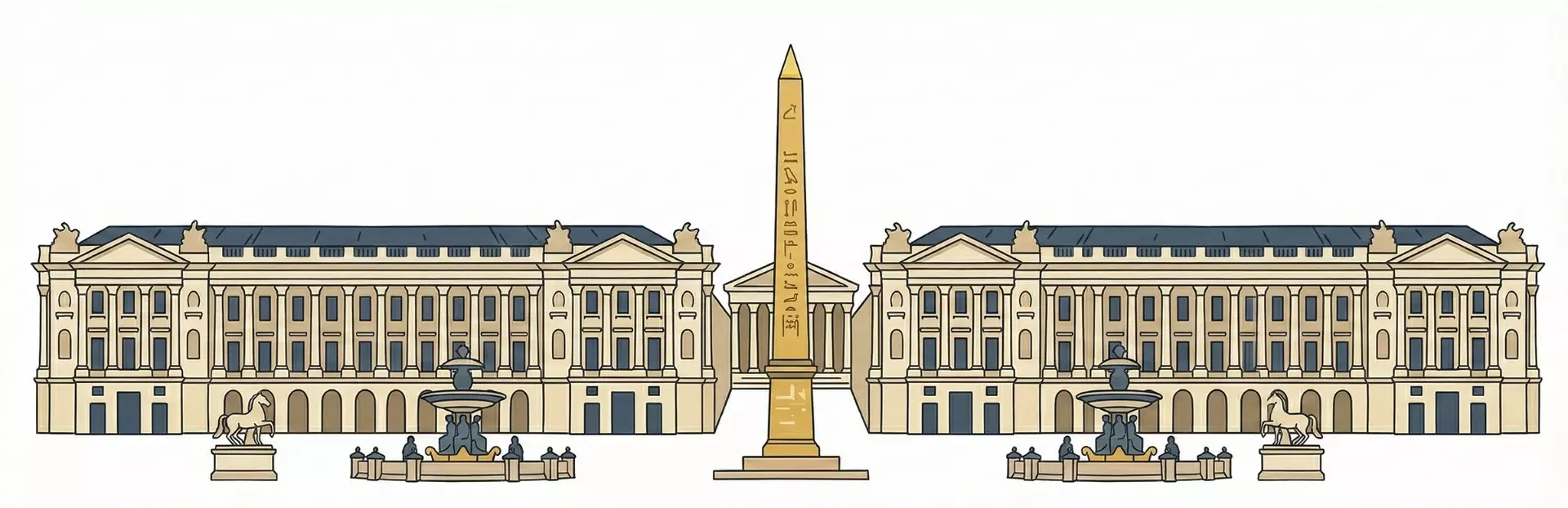
Place de la Concorde began as Place Louis XV in 1755, a royal square built to showcase an equestrian statue of the king. The statue lasted just 37 years before revolutionaries melted it down for cannons. What followed was rather less genteel: the square became Place de la Révolution, and its new centrepiece was the guillotine. Between 1793 and 1795, more than 1,100 heads rolled here, including those of Louis XVI, and Marie Antoinette.
Today's obelisk, a 3,300-year-old gift from Egypt's viceroy in 1831, was chosen precisely because it couldn't offend any political faction. The hieroglyphs depict Ramesses II's achievements, though the gold-leafed capstone is a modern French addition from 1998.
VoiceMap's self-guided audio tours trace the square's violent transformations, from royal grandeur through revolutionary terror to its current role as Paris's grandest traffic roundabout, explaining how each regime literally reshaped this space to match its politics.
Today's obelisk, a 3,300-year-old gift from Egypt's viceroy in 1831, was chosen precisely because it couldn't offend any political faction. The hieroglyphs depict Ramesses II's achievements, though the gold-leafed capstone is a modern French addition from 1998.
VoiceMap's self-guided audio tours trace the square's violent transformations, from royal grandeur through revolutionary terror to its current role as Paris's grandest traffic roundabout, explaining how each regime literally reshaped this space to match its politics.

Tours featuring Place de la Concorde (6)


Architecture
Royal Heritage
Top Sights
Revel in the glory, glamour and glitz of Paris’ most iconic avenue

 Walking Tour
|
 90 mins

Royal Heritage
Scenic Routes
Parks And Gardens
Feel like royalty on a promenade through the grandfather of French gardens
Walking Tour
|
60 mins
War And Military
Architecture
Royal Heritage
Follow royals and political figures through Paris’ iconic boulevards and gardens
 Walking Tour
|
90 mins

War And Military
Scenic Routes
Colonial History
Connect the dots between the American and French revolutions on a walk in Paris
 Walking Tour
|
45 mins

Revolution
War And Military
Top Sights
Discover Napoleonic Paris and the legacy of the French Emperor
 Walking Tour
|
90 mins

Architecture
Medieval History
Religious Sites
Reconstruct the city’s history from the Romans, through revolution and empire
 Walking Tour
|
90 mins
Download the app for free
VoiceMap
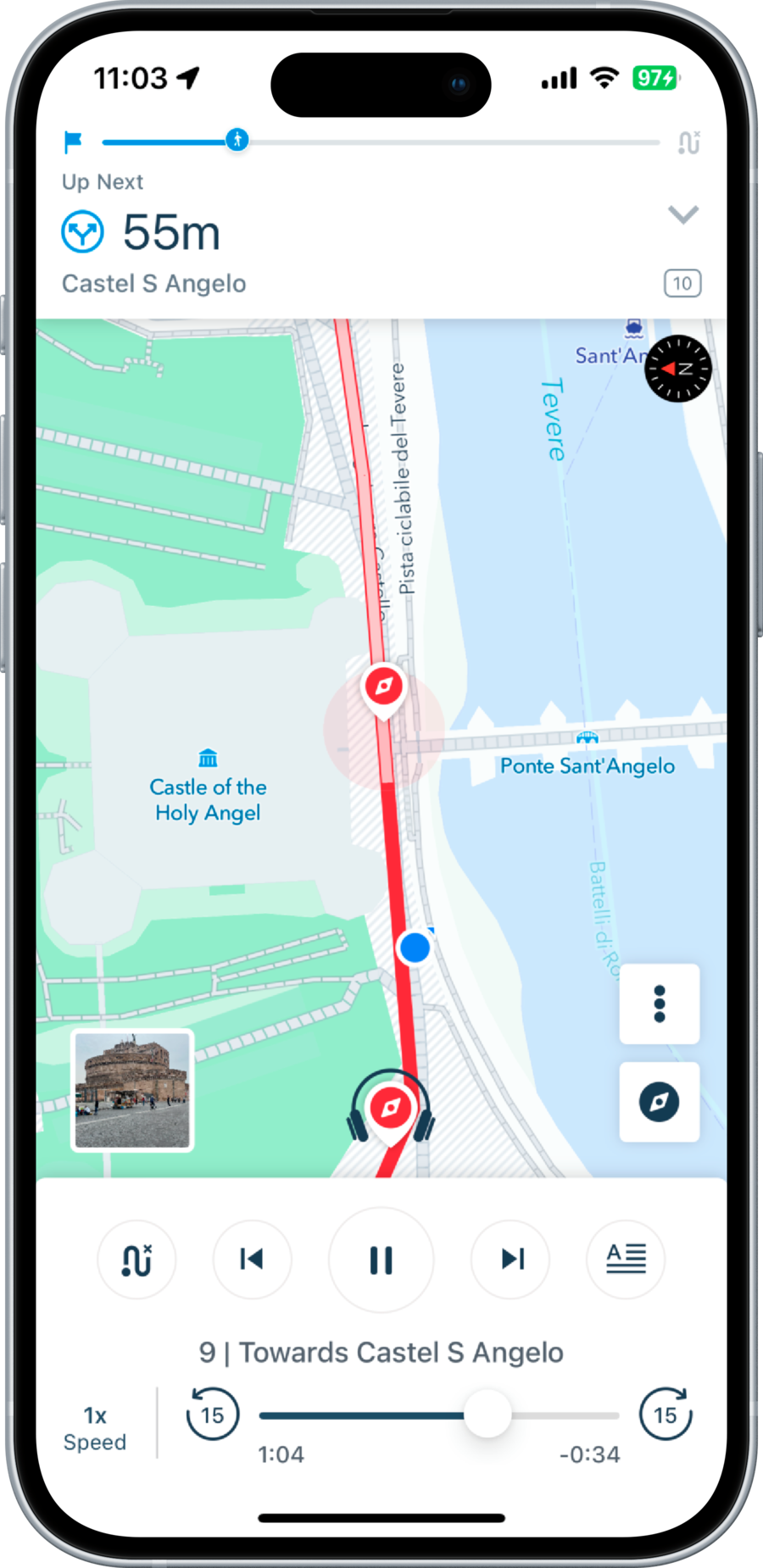
- Download tours to use them offline
- Listen hands-free with GPS playback
- Get turn-by-turn directions


Scan to get app
Download the app for free
VoiceMap




 App of the Day

 Editor’s Choice







Itchy feet? Us too
VoiceMap’s newsletter scratches that itch and stimulates your senses,
every fortnight. Curiosity is the only currency you need to subscribe.

Exploring is easier with a VoiceMap account
To purchase tours, add them to a wishlist, or access them with the VoiceMap app, please sign in or create a VoiceMap account


Exploring is easier with a VoiceMap account
To purchase tours, add them to a wishlist, or access them with the VoiceMap app, please sign in or create a VoiceMap account