




ATTRACTION
Westminster Bridge,
London

About
Westminster Bridge wasn't London's second Thames crossing by accident.
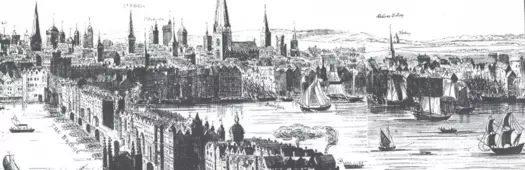
For 600 years, the City Corporation's monopoly kept Old London Bridge alone, forcing anyone wanting to cross upriver to pay watermen or walk miles round. When Parliament finally broke their grip in 1736, they chose an unusual funding method: instead of tolls, they ran a lottery. Sir Henry Fielding dubbed it "the bridge of fools" when costs spiralled, and construction dragged on for fourteen years.
The Swiss engineer Charles Labelye made a fatal miscalculation, mistaking Thames clay for gravel and skipping the piles that might have saved his structure. The beautiful bridge captured by Canaletto barely lasted a century before needing complete replacement.
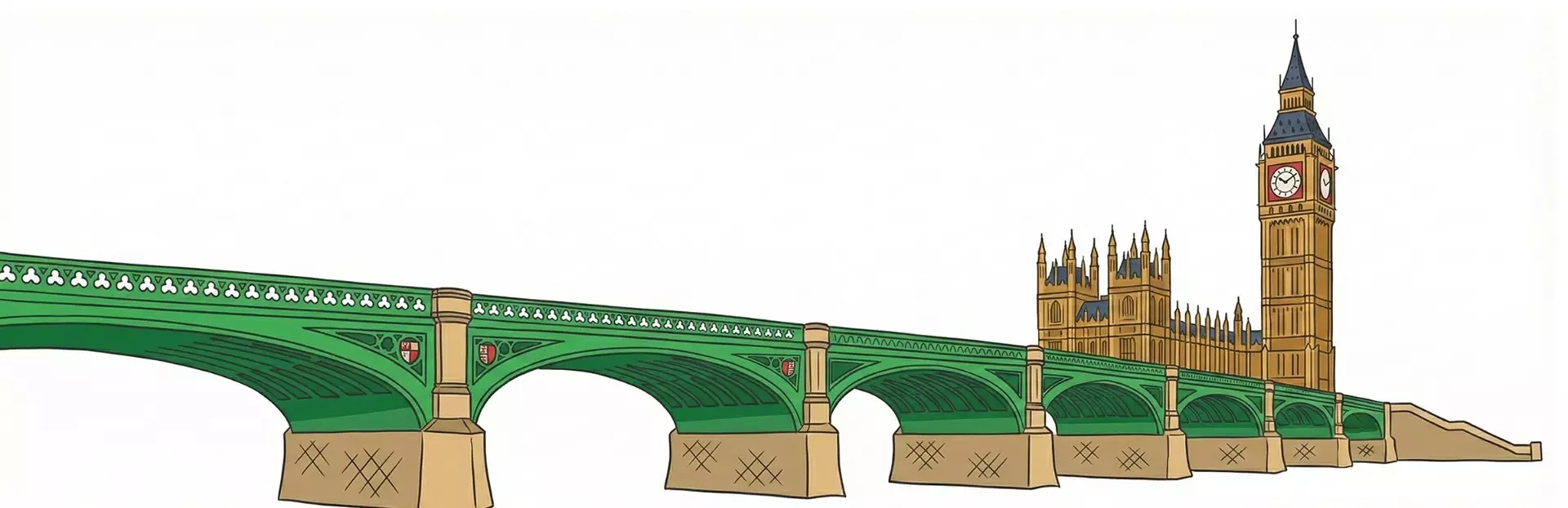
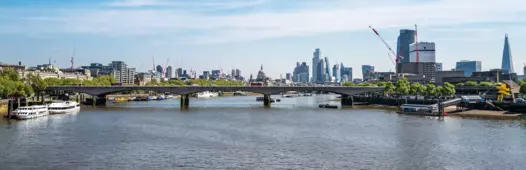
Today's bridge, painted green to match the House of Commons (while upstream Lambeth Bridge sports Lords red), serves as the starting point for tours tracing London's river crossings, Harry Potter filming locations, and Westminster's evolution from medieval government seat to modern power centre.
VoiceMap's self-guided audio tours use the bridge to reveal London's centuries-old battle between commerce and politics, explaining how a single river crossing shaped the capital's westward expansion.
For 600 years, the City Corporation's monopoly kept Old London Bridge alone, forcing anyone wanting to cross upriver to pay watermen or walk miles round. When Parliament finally broke their grip in 1736, they chose an unusual funding method: instead of tolls, they ran a lottery. Sir Henry Fielding dubbed it "the bridge of fools" when costs spiralled, and construction dragged on for fourteen years.
The Swiss engineer Charles Labelye made a fatal miscalculation, mistaking Thames clay for gravel and skipping the piles that might have saved his structure. The beautiful bridge captured by Canaletto barely lasted a century before needing complete replacement.
Today's bridge, painted green to match the House of Commons (while upstream Lambeth Bridge sports Lords red), serves as the starting point for tours tracing London's river crossings, Harry Potter filming locations, and Westminster's evolution from medieval government seat to modern power centre.
VoiceMap's self-guided audio tours use the bridge to reveal London's centuries-old battle between commerce and politics, explaining how a single river crossing shaped the capital's westward expansion.

Tours featuring Westminster Bridge (6)

Royal Heritage
Architecture
Ancient History
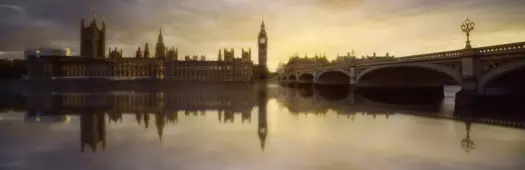
Explore the centre of power in the UK, stopping in at London's grandest palaces

 Walking Tour
|
 90 mins
Universities
Film And TV
Oddities And Rarities
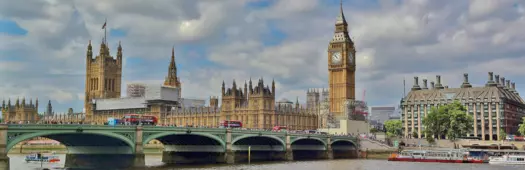
Stroll past spellbinding streets and iconic sites where real life meets fantasy
 Walking Tour
|
90 mins
Film And TV
Crime And Mystery
Architecture
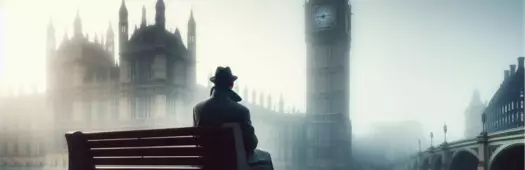
Track down the history of secret agents, from the real to the fictional
 Walking Tour
|
120 mins
Local Legends
Crime And Mystery
Ghosts And Hauntings
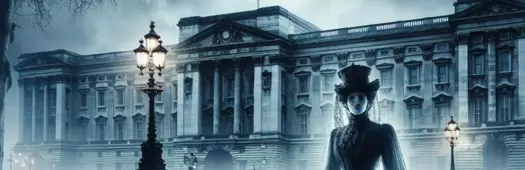
Discover what goes bump in the night on a spooky walk to London's highlights
Walking Tour
|
75 mins
Medieval History
Transportation Heritage
Top Sights
Map 2,000 years of history in bridges, from Roman crossings to world wonders
Walking Tour
|
90 mins
Scientific Discovery
Industrial Revolution
Neighbourhoods
Enjoy a splash of history beside the river that changed London forever
 Walking Tour
|
60 mins
Download the app for free
VoiceMap
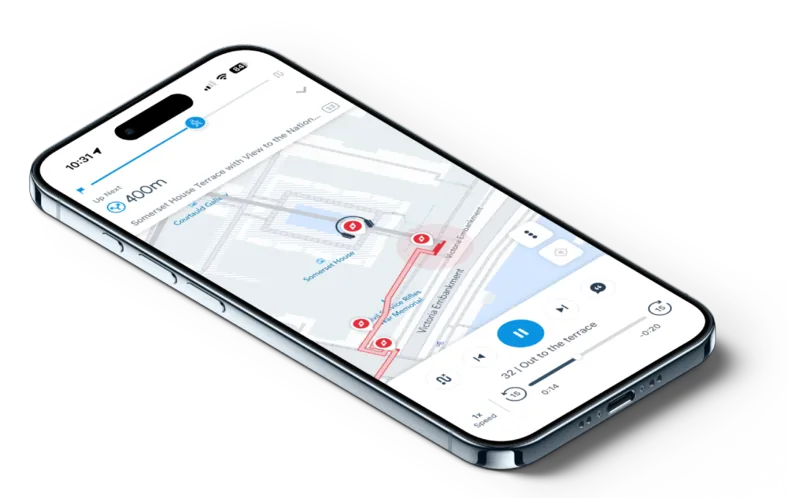
- Download tours to use them offline
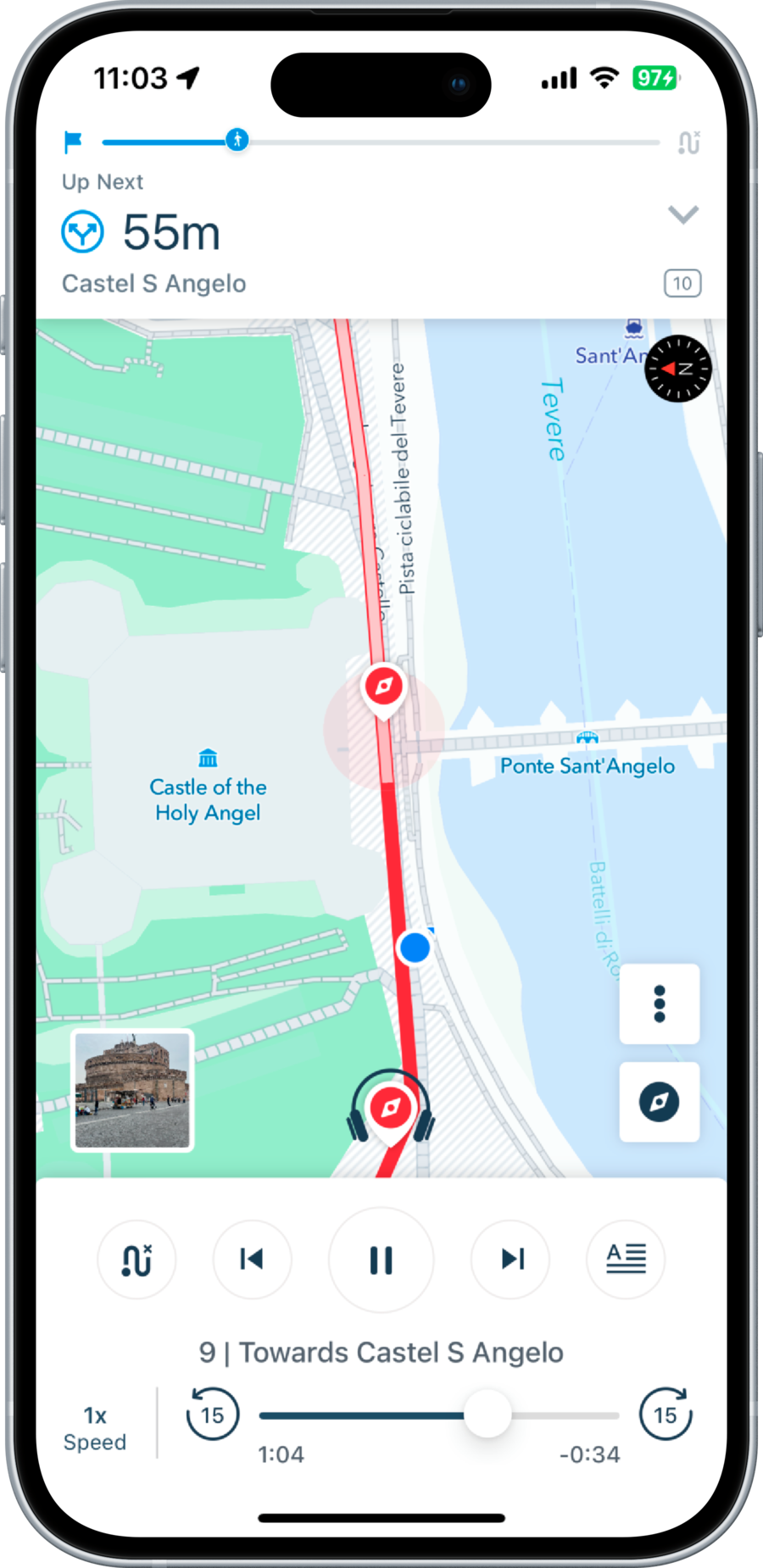
- Listen hands-free with GPS playback
- Get turn-by-turn directions


Scan to get app
Download the app for free
VoiceMap




 App of the Day

 Editor’s Choice






Itchy feet? Us too
VoiceMap’s newsletter scratches that itch and stimulates your senses,
every fortnight. Curiosity is the only currency you need to subscribe.

Exploring is easier with a VoiceMap account
To purchase tours, add them to a wishlist, or access them with the VoiceMap app, please sign in or create a VoiceMap account


Exploring is easier with a VoiceMap account
To purchase tours, add them to a wishlist, or access them with the VoiceMap app, please sign in or create a VoiceMap account