



ATTRACTION
London Bridge,
London

About
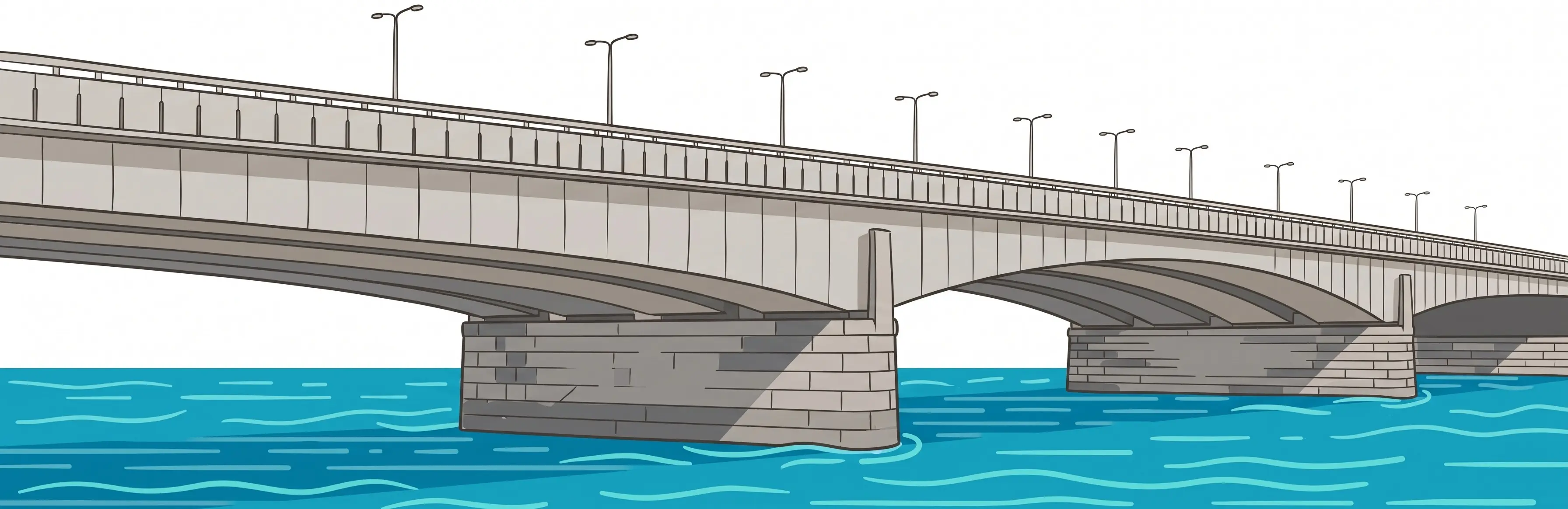
London Bridge is falling down, goes the nursery rhyme, and it's not wrong.
The current bridge, opened by the Queen in 1973, is actually the latest in a series of bridges that have connected the City to Southwark for nearly 2,000 years. The Romans built the first one around AD 50, and since then, the crossing has been wooden, stone, and now concrete, each version meeting its end through fire, decay, or simple obsolescence.
The medieval London Bridge was remarkable: a stone thoroughfare lined with houses and shops, its 19 arches so narrow that navigating the rapids beneath them was called "shooting the bridge," and watermen regularly drowned attempting it. That bridge stood for six hundred years until the Victorians, finding it hopelessly congested, replaced it with a more sensible granite crossing in 1831.
VoiceMap's self-guided audio tours trace the bridge's evolution from a Roman crossing to a modern commuter route, revealing how each incarnation shaped the city around it and why the 1831 bridge now stands, improbably, in the Arizona desert.
The current bridge, opened by the Queen in 1973, is actually the latest in a series of bridges that have connected the City to Southwark for nearly 2,000 years. The Romans built the first one around AD 50, and since then, the crossing has been wooden, stone, and now concrete, each version meeting its end through fire, decay, or simple obsolescence.
The medieval London Bridge was remarkable: a stone thoroughfare lined with houses and shops, its 19 arches so narrow that navigating the rapids beneath them was called "shooting the bridge," and watermen regularly drowned attempting it. That bridge stood for six hundred years until the Victorians, finding it hopelessly congested, replaced it with a more sensible granite crossing in 1831.
VoiceMap's self-guided audio tours trace the bridge's evolution from a Roman crossing to a modern commuter route, revealing how each incarnation shaped the city around it and why the 1831 bridge now stands, improbably, in the Arizona desert.

Tours featuring London Bridge (11)

Ancient History
Religious Sites
Medieval History
Follow Chaucer and Shakespeare across London Bridge into 2,000 years of history

 Walking Tour
|
 90 mins
Local Legends
Medieval History
Royal Heritage
Delve into the often gruesome history of the iconic Tower of London
 Walking Tour
|
75 mins
Ancient History
Medieval History
Royal Heritage
Uncover London's history through the centuries on this fascinating journey
 Walking Tour
|
120 mins
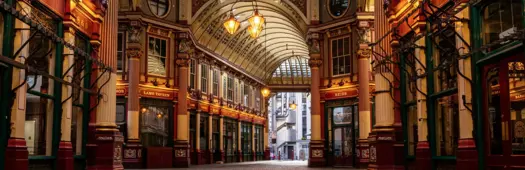
Literature
Ghosts And Hauntings
Film And TV
Conjure up the city’s magic side on a stroll past its historical landmarks
 Walking Tour
|
120 mins
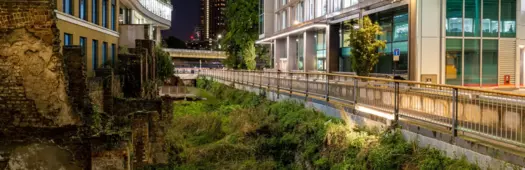
Medieval History
Top Sights
Ancient History
Unearth ancient ruins and Londinium's hidden history on this city stroll
 Walking Tour
|
75 mins
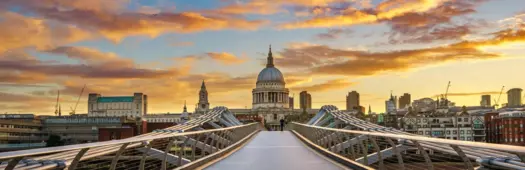
Music And Performance
Film And TV
Pop Culture
Unmask the city’s past while taking in the iconic sites that inspired the Bard
Walking Tour
|
90 mins
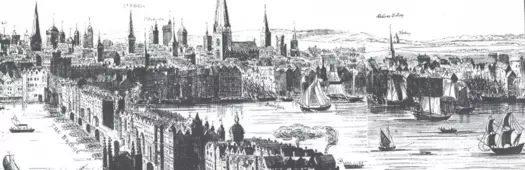
Medieval History
Transportation Heritage
Top Sights
Map 2,000 years of history in bridges, from Roman crossings to world wonders
Walking Tour
|
90 mins
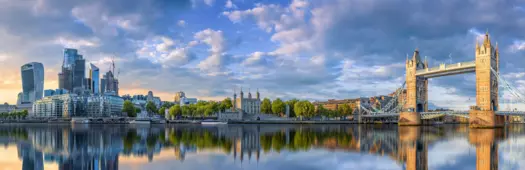
Medieval History
Architecture
Modern History
Race along bridges and bustling streets brimming with medieval and modern tales

 Running Tour
|
180 mins
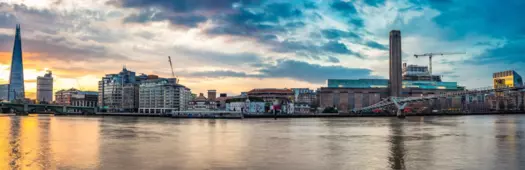
Religious Sites
Architecture
Ancient History
See the vibrant side of the Thames that was historically sidelined by the City
 Walking Tour
|
90 mins
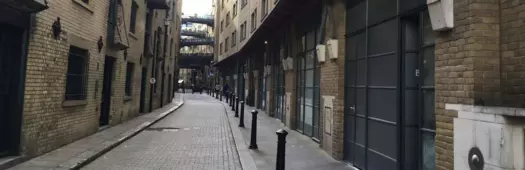
Public Art
Markets
Industrial Revolution
Soak up the atmosphere and iconic river views in the city's former docks
Walking Tour
|
60 mins
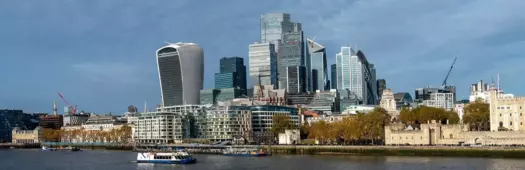
Business And Commerce
Top Sights
Architecture
Unveil hidden curiosities in the Big Smoke’s two millennia of trade and empire
 Walking Tour
|
120 mins
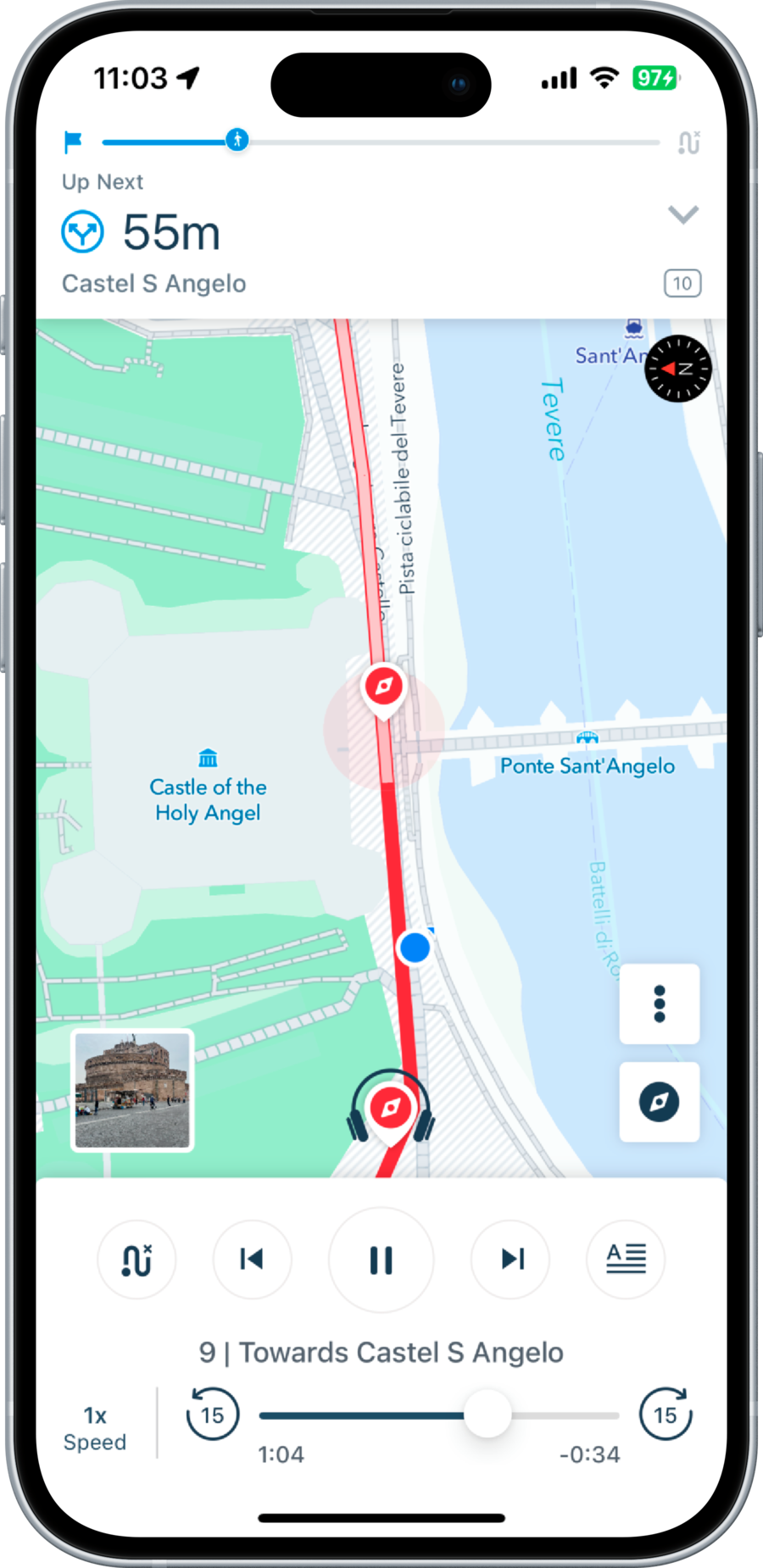
Download the app for free
VoiceMap
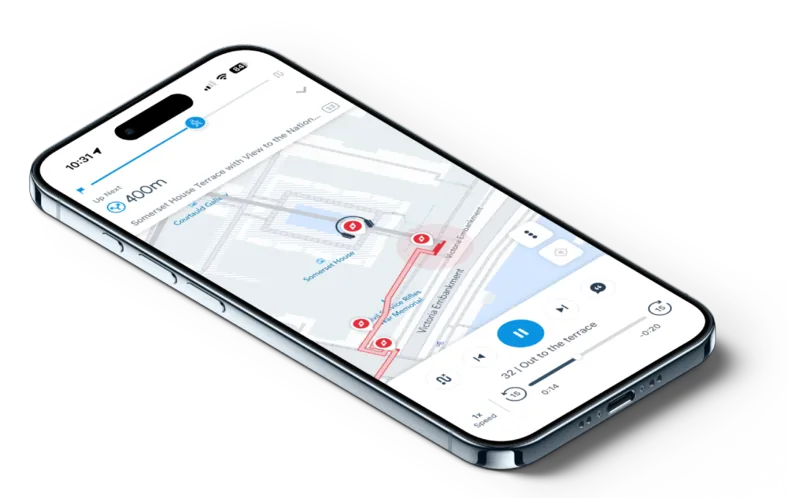
- Download tours to use them offline
- Listen hands-free with GPS playback
- Get turn-by-turn directions


Scan to get app
Download the app for free
VoiceMap




 App of the Day

 Editor’s Choice





Itchy feet? Us too
VoiceMap’s newsletter scratches that itch and stimulates your senses,
every fortnight. Curiosity is the only currency you need to subscribe.

Exploring is easier with a VoiceMap account
To purchase tours, add them to a wishlist, or access them with the VoiceMap app, please sign in or create a VoiceMap account


Exploring is easier with a VoiceMap account
To purchase tours, add them to a wishlist, or access them with the VoiceMap app, please sign in or create a VoiceMap account