







ATTRACTION
St Saveur Cathedral,
Aix-en-Provence

About
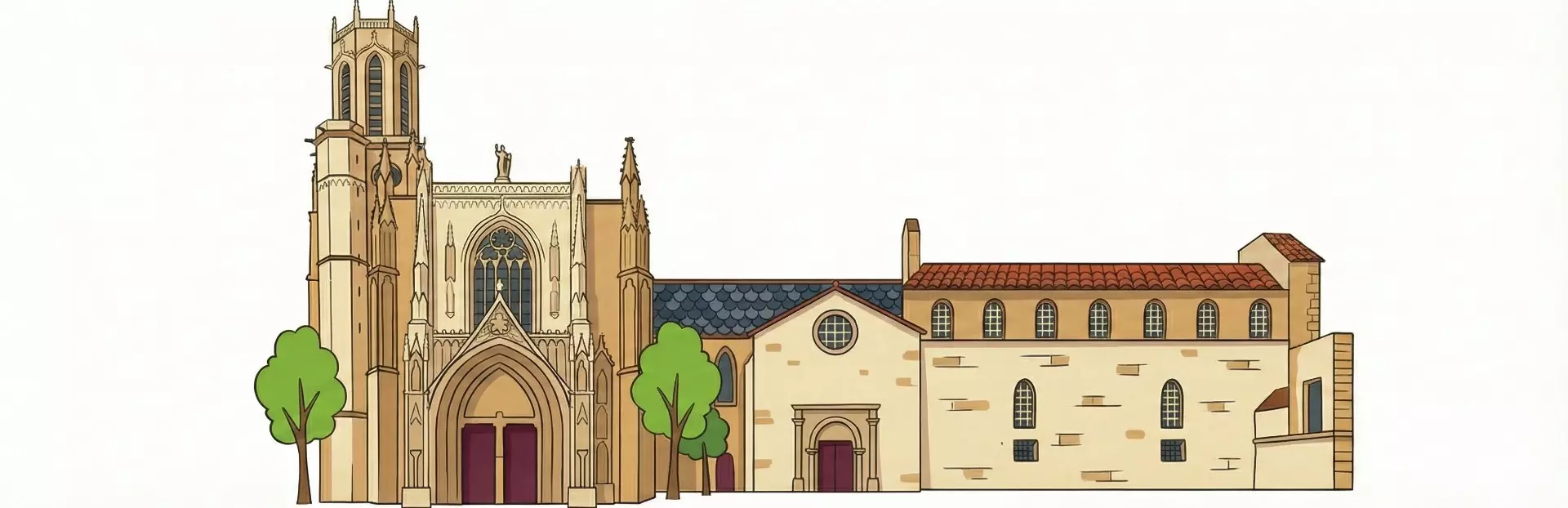
Cathédrale Saint-Sauveur in Aix-en-Provence took nearly a thousand years to complete, and it shows. Construction began in the early 6th century and continued until the 15th century, leaving a building that wears its Roman, Gothic and Baroque influences rather openly, like architectural strata in a canyon wall.
Some of the original stonework came from a temple dedicated to Apollo, repurposed when the Romans converted to Christianity in 338 AD. The baptistry, with two columns salvaged from that pagan temple and an original Roman font, claims the distinction of being France's oldest and the oldest structure in Aix itself.
Inside, a sarcophagus supposedly holds St Mitre, the city's patron saint who died in 466 AD. When the archbishops relocated their seat here in 1338, their decision prompted Aix's three separate walled communities to demolish their internal barriers and unite.
VoiceMap's self-guided audio tours trace how this cathedral's rise coincided with Aix becoming Provence's capital, connecting ecclesiastical power to the city's golden age of law, education and wealth.
Some of the original stonework came from a temple dedicated to Apollo, repurposed when the Romans converted to Christianity in 338 AD. The baptistry, with two columns salvaged from that pagan temple and an original Roman font, claims the distinction of being France's oldest and the oldest structure in Aix itself.
Inside, a sarcophagus supposedly holds St Mitre, the city's patron saint who died in 466 AD. When the archbishops relocated their seat here in 1338, their decision prompted Aix's three separate walled communities to demolish their internal barriers and unite.
VoiceMap's self-guided audio tours trace how this cathedral's rise coincided with Aix becoming Provence's capital, connecting ecclesiastical power to the city's golden age of law, education and wealth.

Tours featuring St Saveur Cathedral (2)

Modern History
Markets
Medieval History
Discover the highlights of Provence, from la Rotonde to l’Hotel de Ville

 Walking Tour
|
 90 mins
Découvrez les incontournables de la Provence, de la Rotonde à l'Hôtel de Ville
Walking Tour
|
90 mins
Download the app for free
VoiceMap
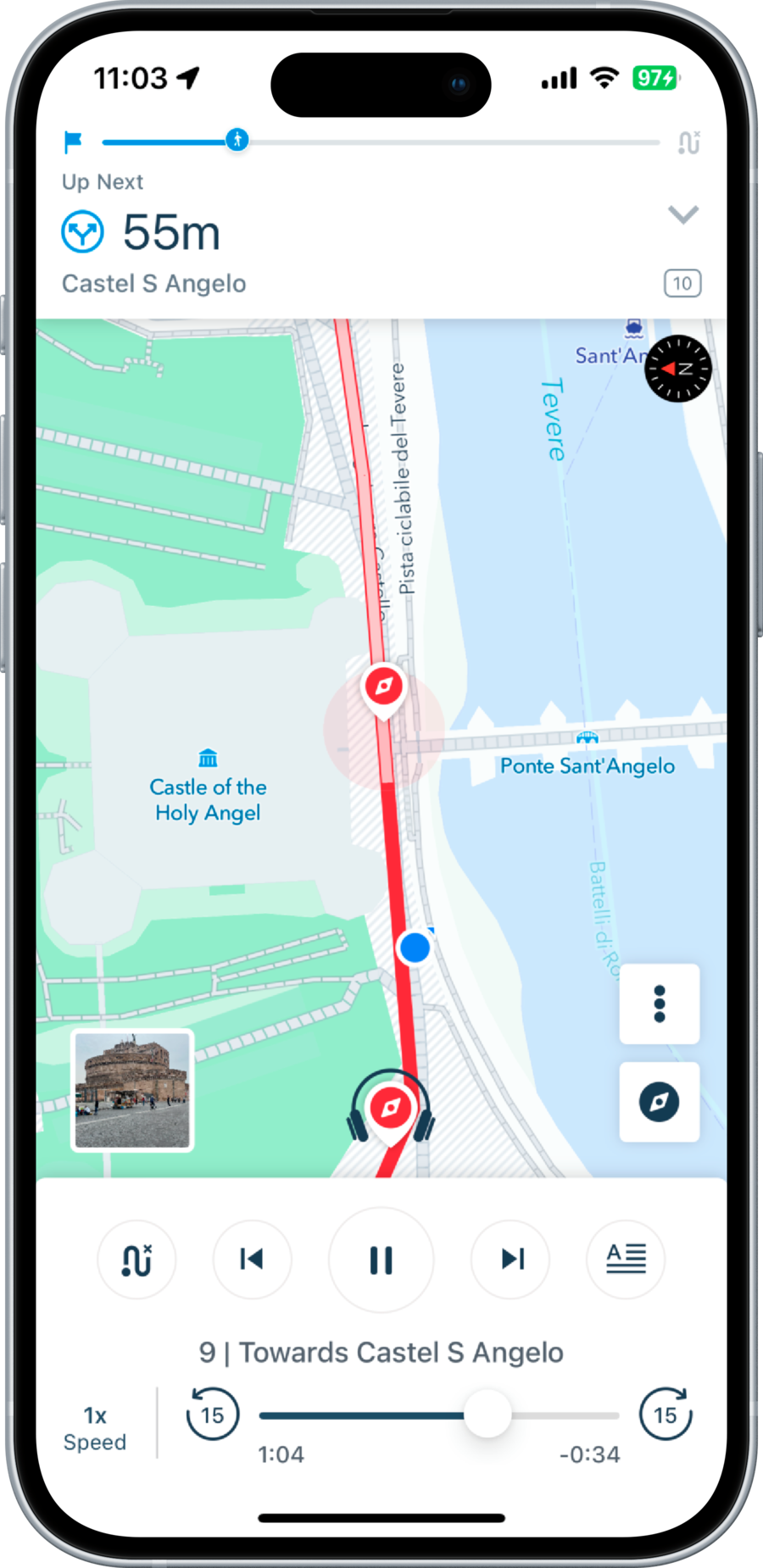
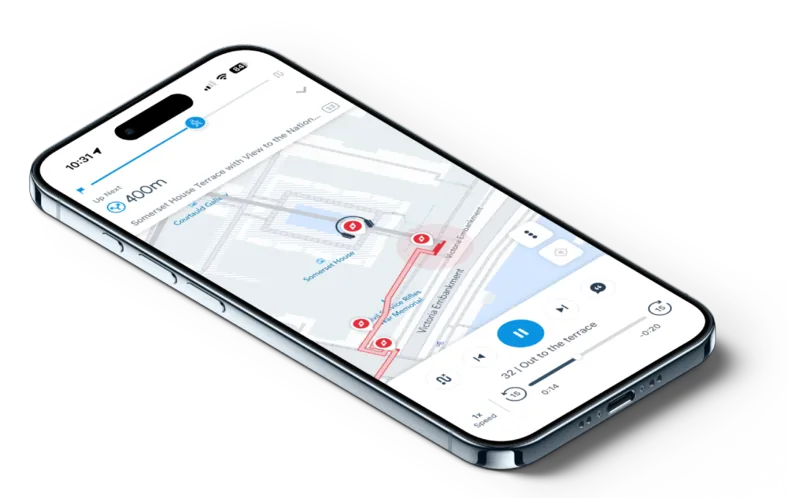
- Download tours to use them offline
- Listen hands-free with GPS playback
- Get turn-by-turn directions


Scan to get app
Download the app for free
VoiceMap




 App of the Day

 Editor’s Choice



Explore Aix-en-Provence
2 self-guided VoiceMap tours you
can do at your own pace
View Aix-en-Provence Tours



Itchy feet? Us too
VoiceMap’s newsletter scratches that itch and stimulates your senses,
every fortnight. Curiosity is the only currency you need to subscribe.

Exploring is easier with a VoiceMap account
To purchase tours, add them to a wishlist, or access them with the VoiceMap app, please sign in or create a VoiceMap account


Exploring is easier with a VoiceMap account
To purchase tours, add them to a wishlist, or access them with the VoiceMap app, please sign in or create a VoiceMap account