







ATTRACTION
The Tuileries Garden,
Paris

About
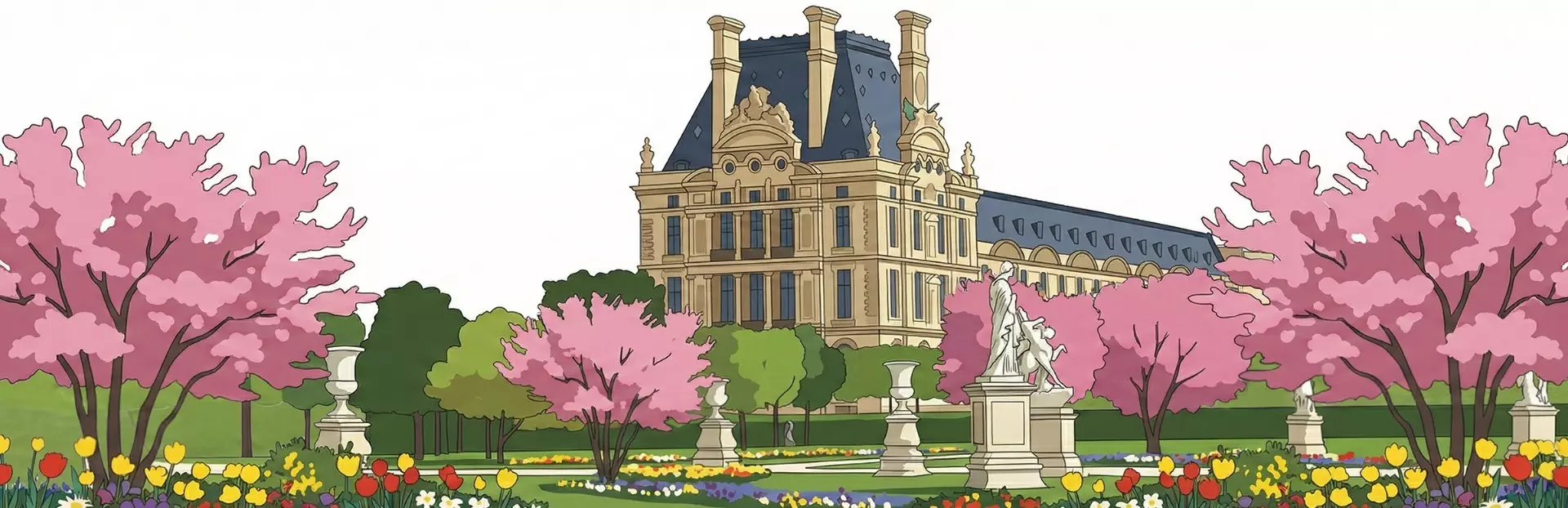
The Tuileries Garden takes its name from the tile kilns that once occupied this site in the 1100s. What began as clay pits and vineyards became, under Catherine de Medici in 1564, the grounds of a royal palace.
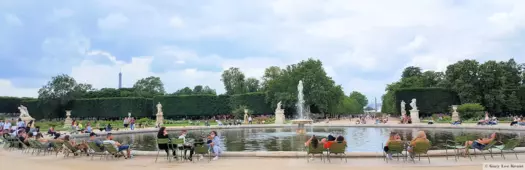
The garden reached its definitive form a century later when André Le Notre, son and grandson of Crown gardeners, redesigned it for Louis XIV. Le Notre created a masterwork of French garden design: 63 acres of geometrical precision, shaded alleys and reflecting pools that have changed remarkably little in 350 years.
The phantom of the Tuileries Palace, burned during the Paris Commune of 1871, still watches over the garden. In 1783, up to 200,000 people gathered here to watch two physicists ascend in a hydrogen balloon. Sculptures brought from Louis XIV's château at Marly now line the central axis.
VoiceMap's self-guided audio tours trace this royal promenade from Bernini's controversial equestrian statue to the winged horses at Place de la Concorde.
The garden reached its definitive form a century later when André Le Notre, son and grandson of Crown gardeners, redesigned it for Louis XIV. Le Notre created a masterwork of French garden design: 63 acres of geometrical precision, shaded alleys and reflecting pools that have changed remarkably little in 350 years.
The phantom of the Tuileries Palace, burned during the Paris Commune of 1871, still watches over the garden. In 1783, up to 200,000 people gathered here to watch two physicists ascend in a hydrogen balloon. Sculptures brought from Louis XIV's château at Marly now line the central axis.
VoiceMap's self-guided audio tours trace this royal promenade from Bernini's controversial equestrian statue to the winged horses at Place de la Concorde.

Tours featuring the Tuileries Garden (4)

Royal Heritage
Scenic Routes
Parks And Gardens
Feel like royalty on a promenade through the grandfather of French gardens

 Walking Tour
|
 60 mins

War And Military
Architecture
Royal Heritage
Follow royals and political figures through Paris’ iconic boulevards and gardens
 Walking Tour
|
90 mins

Revolution
War And Military
Top Sights
Discover Napoleonic Paris and the legacy of the French Emperor
 Walking Tour
|
90 mins

Architecture
Medieval History
Religious Sites
Reconstruct the city’s history from the Romans, through revolution and empire
 Walking Tour
|
90 mins
Download the app for free
VoiceMap
- Download tours to use them offline
- Listen hands-free with GPS playback
- Get turn-by-turn directions



Scan to get app
Download the app for free
VoiceMap




 App of the Day

 Editor’s Choice







Itchy feet? Us too
VoiceMap’s newsletter scratches that itch and stimulates your senses,
every fortnight. Curiosity is the only currency you need to subscribe.

Exploring is easier with a VoiceMap account
To purchase tours, add them to a wishlist, or access them with the VoiceMap app, please sign in or create a VoiceMap account


Exploring is easier with a VoiceMap account
To purchase tours, add them to a wishlist, or access them with the VoiceMap app, please sign in or create a VoiceMap account