







ATTRACTION
Sainte-Chapelle,
Paris

About
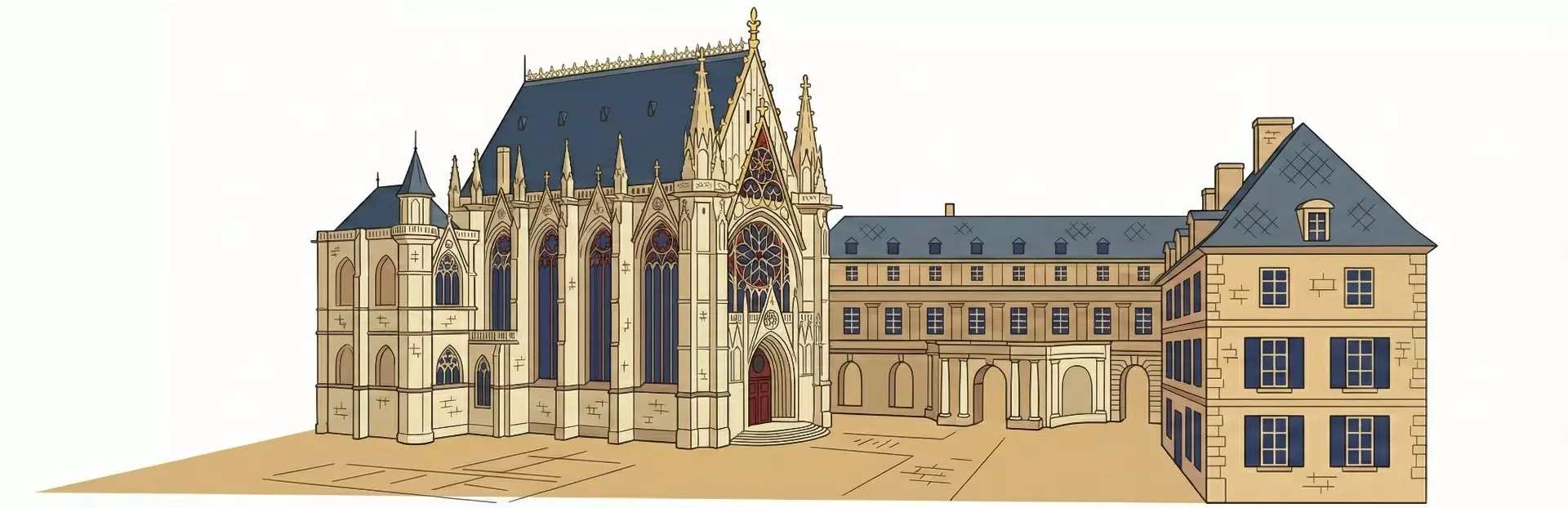
King Louis IX paid 135,000 livres tournois for the Crown of Thorns in 1237, a sum that exceeded what he would spend building the chapel to house it. That chapel, Sainte-Chapelle, was designed less as a church than as a giant reliquary: 42.5 metres high but only 36 metres long, its proportions deliberately vertical to draw the eye upward toward the sacred treasure at its heart.
The Lower Chapel served palace staff and commoners, its blue ceiling gilded with fleur-de-lys. Most visitors rush past the Virgin and Child statue at the entrance doors, yet it remains one of the chapel's finest sculptures. The Upper Chapel, reserved for the king and his court, is where 1,113 stained-glass panels flood the interior with coloured light. The relics themselves moved to Notre-Dame during the Revolution and famously survived the 2019 fire.
VoiceMap's self-guided audio tours trace the Crown of Thorns from Constantinople to Paris, explaining how medieval kings used sacred relics to cement political power and why proximity to them promised eternal salvation.
The Lower Chapel served palace staff and commoners, its blue ceiling gilded with fleur-de-lys. Most visitors rush past the Virgin and Child statue at the entrance doors, yet it remains one of the chapel's finest sculptures. The Upper Chapel, reserved for the king and his court, is where 1,113 stained-glass panels flood the interior with coloured light. The relics themselves moved to Notre-Dame during the Revolution and famously survived the 2019 fire.
VoiceMap's self-guided audio tours trace the Crown of Thorns from Constantinople to Paris, explaining how medieval kings used sacred relics to cement political power and why proximity to them promised eternal salvation.

Tours featuring Sainte-Chapelle (4)


Top Sights
Neighbourhoods
Medieval History
Discover how a small settlement on the Seine River grew into modern Paris

 Walking Tour
|
 120 mins

Nightlife
Local Legends
Literature
Follow Paris’ backstreets to see art, history and urban culture brought to life
 Walking Tour
|
90 mins
Architecture
Medieval History
Religious Sites
Reconstruct the city’s history from the Romans, through revolution and empire
 Walking Tour
|
90 mins
Religious Sites
Architecture
Medieval History
Admire the iconic trio that's stood witness to centuries of tragedy and triumph
 Indoor Tour
|
120 mins
Download the app for free
VoiceMap
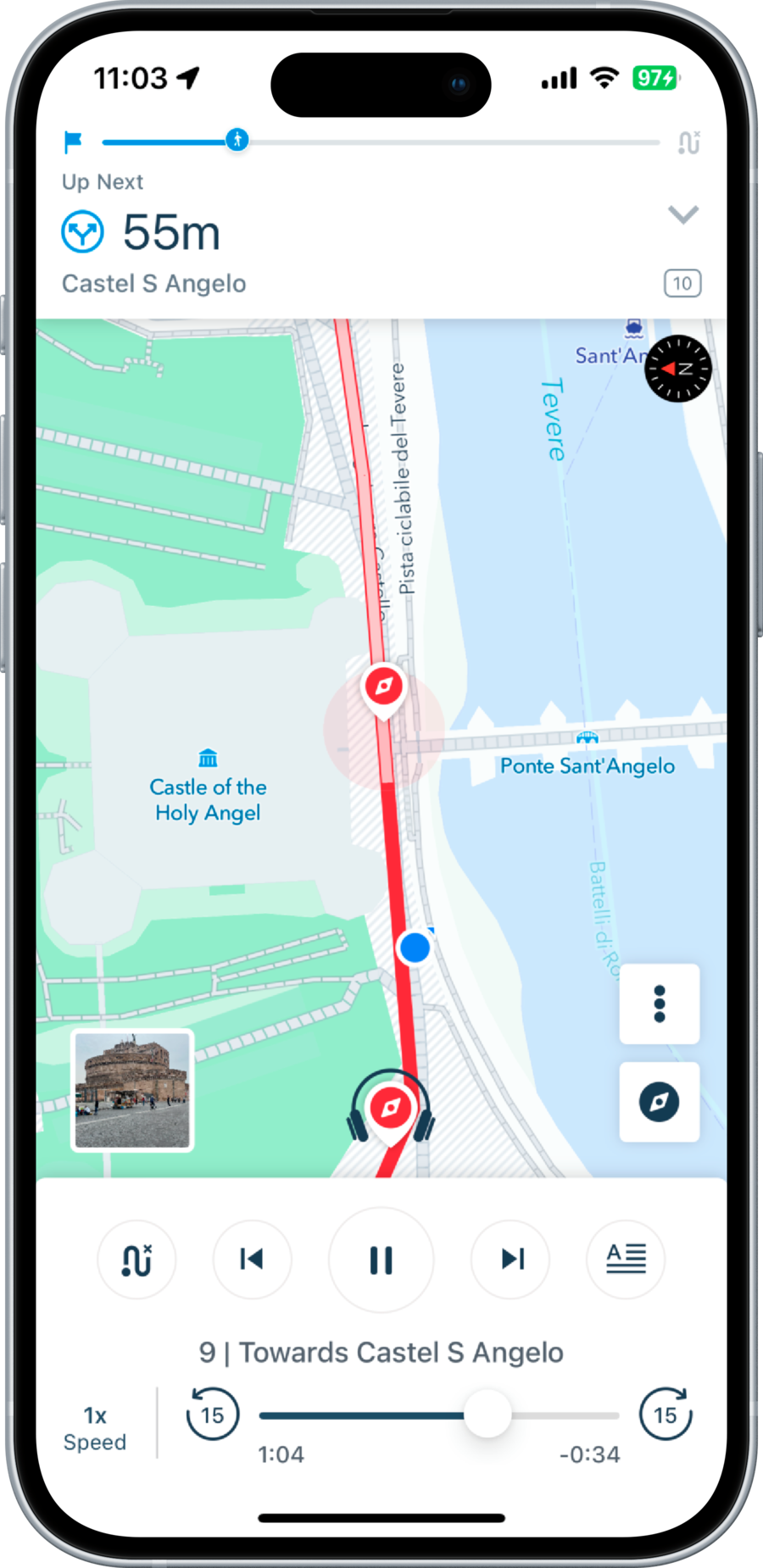
- Download tours to use them offline
- Listen hands-free with GPS playback
- Get turn-by-turn directions


Scan to get app
Download the app for free
VoiceMap




 App of the Day

 Editor’s Choice







Itchy feet? Us too
VoiceMap’s newsletter scratches that itch and stimulates your senses,
every fortnight. Curiosity is the only currency you need to subscribe.

Exploring is easier with a VoiceMap account
To purchase tours, add them to a wishlist, or access them with the VoiceMap app, please sign in or create a VoiceMap account


Exploring is easier with a VoiceMap account
To purchase tours, add them to a wishlist, or access them with the VoiceMap app, please sign in or create a VoiceMap account