






ATTRACTION
Louvre Museum,
Paris

About
The Louvre began life not as a museum but as a wolf-haunted fortress.
Its name derives from the Latin "lupara," and for 300 years, French kings called it home before decamping to Versailles. When it opened as a museum in 1793, revolutionary idealists envisioned it as a monument to universal human knowledge.
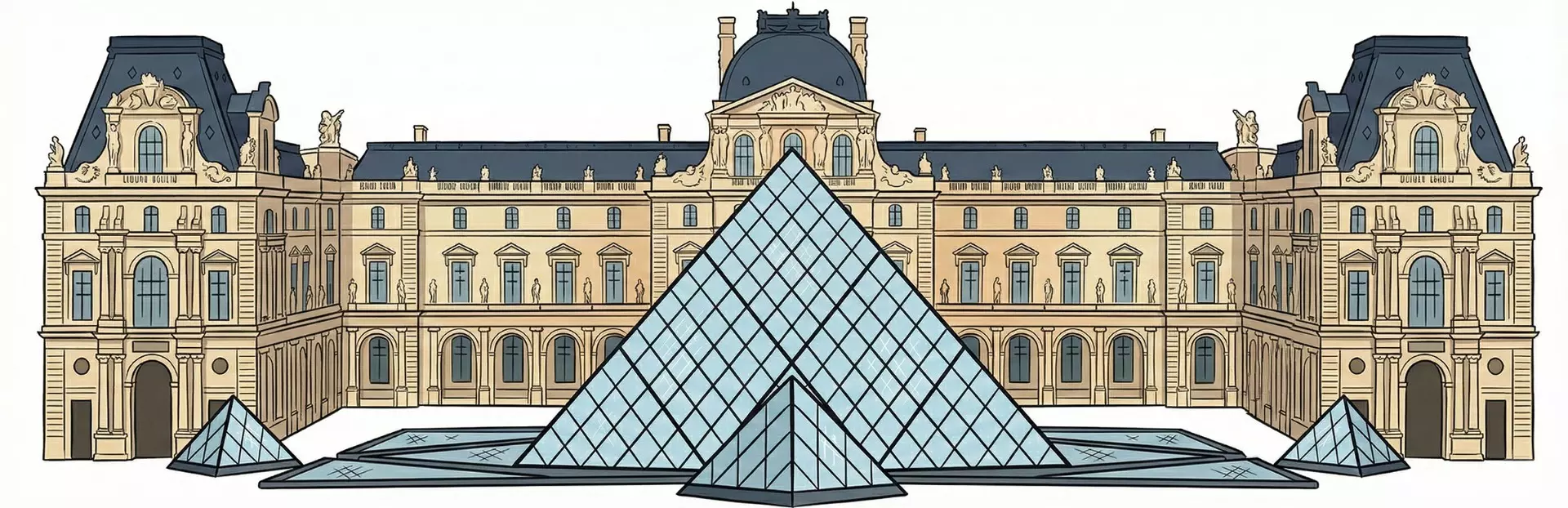
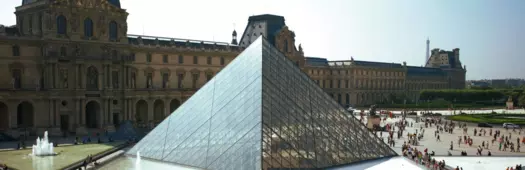
That symbolism persists in I.M. Pei's 1989 pyramid, which isn't one pyramid but five: the central glass giant, three smaller companions, and an invisible fifth standing on the roundabout nearby. The number five, in Masonic tradition, represents humankind.
Today, the Louvre holds half a million artworks and displays some 30,000 at any given time. Delacroix's "Liberty Leading the People" hangs here, as do sculptures salvaged from the château of Marly.
VoiceMap's self-guided audio tours trace the building's transformation from a medieval garrison to a royal residence to a revolutionary symbol, revealing how its pyramid's glass panels were crafted by Saint-Gobain, the same company that made Louis XIV's mirrors at Versailles.
Its name derives from the Latin "lupara," and for 300 years, French kings called it home before decamping to Versailles. When it opened as a museum in 1793, revolutionary idealists envisioned it as a monument to universal human knowledge.
That symbolism persists in I.M. Pei's 1989 pyramid, which isn't one pyramid but five: the central glass giant, three smaller companions, and an invisible fifth standing on the roundabout nearby. The number five, in Masonic tradition, represents humankind.
Today, the Louvre holds half a million artworks and displays some 30,000 at any given time. Delacroix's "Liberty Leading the People" hangs here, as do sculptures salvaged from the château of Marly.
VoiceMap's self-guided audio tours trace the building's transformation from a medieval garrison to a royal residence to a revolutionary symbol, revealing how its pyramid's glass panels were crafted by Saint-Gobain, the same company that made Louis XIV's mirrors at Versailles.

Tours featuring Louvre Museum (3)

Royal Heritage
Scenic Routes
Parks And Gardens
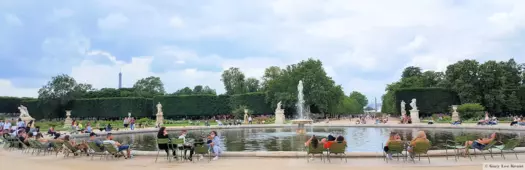
Feel like royalty on a promenade through the grandfather of French gardens

 Walking Tour
|
 60 mins
Parks And Gardens
Pop Culture
Markets
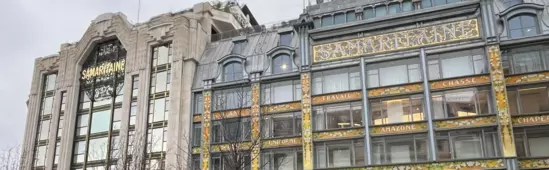
Explore the elegant streets where shopping became a glamorous art form
 Walking Tour
|
60 mins
Architecture
Medieval History
Religious Sites
Reconstruct the city’s history from the Romans, through revolution and empire
 Walking Tour
|
90 mins
Download the app for free
VoiceMap
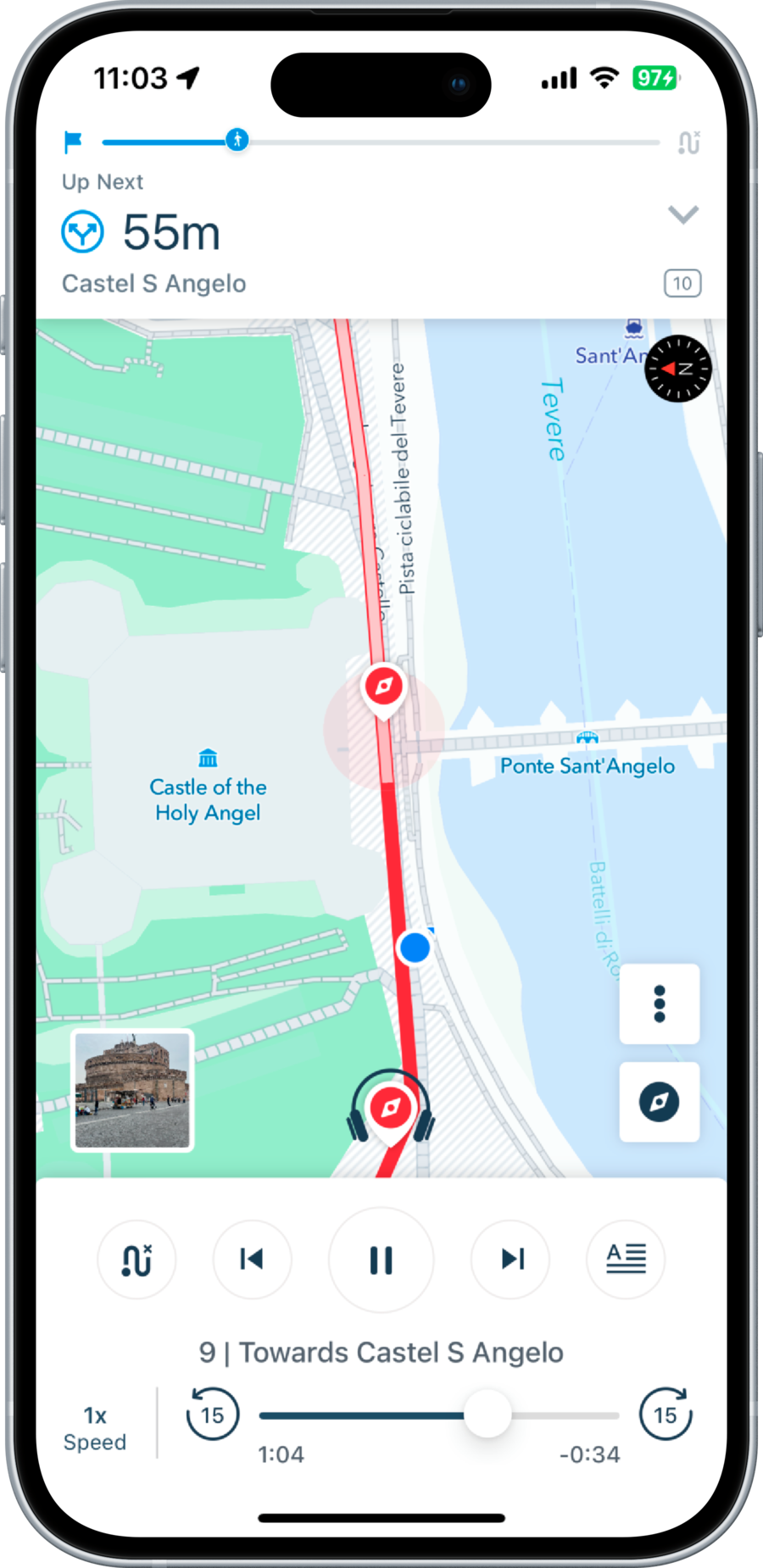
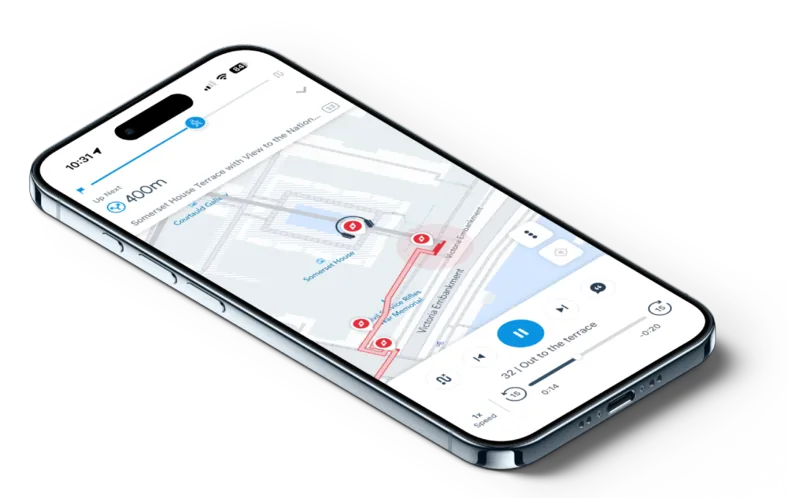
- Download tours to use them offline
- Listen hands-free with GPS playback
- Get turn-by-turn directions


Scan to get app
Download the app for free
VoiceMap




 App of the Day

 Editor’s Choice






Itchy feet? Us too
VoiceMap’s newsletter scratches that itch and stimulates your senses,
every fortnight. Curiosity is the only currency you need to subscribe.

Exploring is easier with a VoiceMap account
To purchase tours, add them to a wishlist, or access them with the VoiceMap app, please sign in or create a VoiceMap account


Exploring is easier with a VoiceMap account
To purchase tours, add them to a wishlist, or access them with the VoiceMap app, please sign in or create a VoiceMap account