






ATTRACTION
Marienplatz,
Munich

About
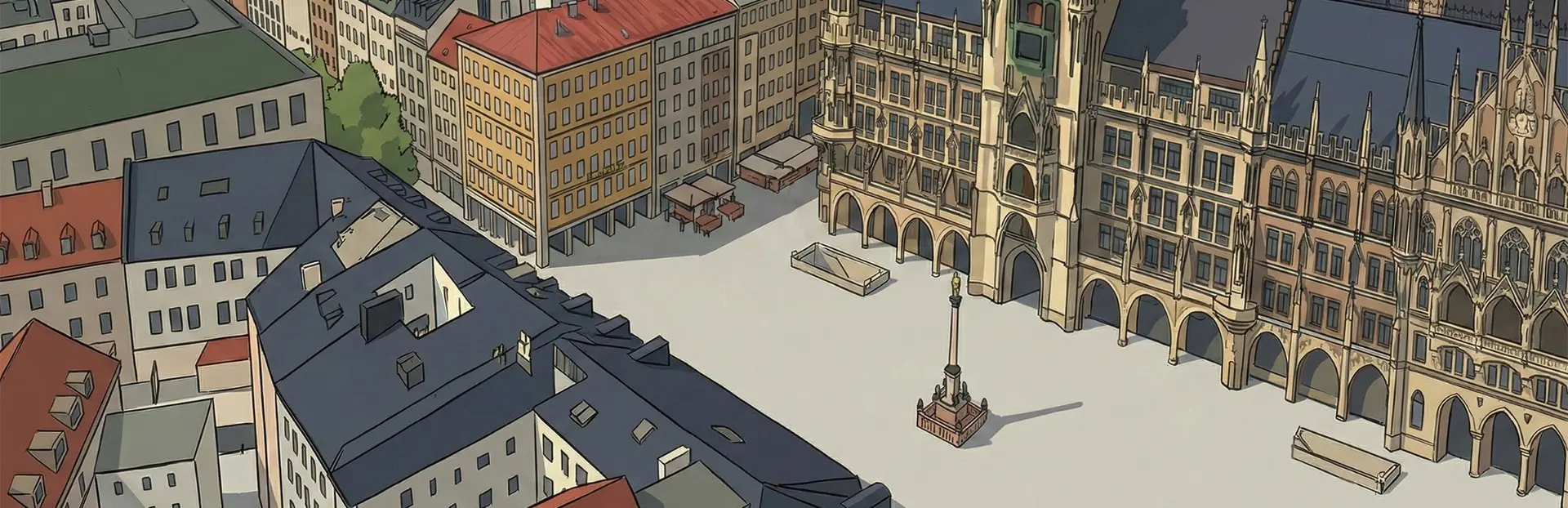
Marienplatz takes its name from the Marian column at its centre. This structure was erected by Duke Maximilian after the Thirty Years' War to thank the Virgin Mary for sparing Munich from destruction. The square has been Munich's beating heart since medieval times, when it was called Schrannenplatz and served as the city's market until 1807.
The Glockenspiel in the New Town Hall tower performs twice daily at eleven and noon, three times in summer when it adds 5pm. The upper figures depict a wedding celebrated here in 1568 with two weeks of feasting, music, and jousting. The men in black and red below are coopers who danced through the streets in 1517 after the plague lifted, vowing to repeat it every seven years. They still do, only during carnival. Next performance: 2026.
The New Town Hall looks centuries old but was finished only in 1908, built to accommodate a population that exploded from 40,000 to 400,000 in a hundred years. During the war, this square and 90 percent of Munich was destroyed. What stands today is largely rebuilt.
VoiceMap's self-guided audio tours explain how medieval salt traders passed through here on their route from Bad Reichenhall, trace the Viktualienmarkt's 1807 move from this square, and reveal the Beer Hall Putsch march that was stopped 500 metres away in 1923.
The Glockenspiel in the New Town Hall tower performs twice daily at eleven and noon, three times in summer when it adds 5pm. The upper figures depict a wedding celebrated here in 1568 with two weeks of feasting, music, and jousting. The men in black and red below are coopers who danced through the streets in 1517 after the plague lifted, vowing to repeat it every seven years. They still do, only during carnival. Next performance: 2026.
The New Town Hall looks centuries old but was finished only in 1908, built to accommodate a population that exploded from 40,000 to 400,000 in a hundred years. During the war, this square and 90 percent of Munich was destroyed. What stands today is largely rebuilt.
VoiceMap's self-guided audio tours explain how medieval salt traders passed through here on their route from Bad Reichenhall, trace the Viktualienmarkt's 1807 move from this square, and reveal the Beer Hall Putsch march that was stopped 500 metres away in 1923.

Tours featuring Marienplatz (6)

Ancient History
Markets
Religious Sites
Discover the highlights on this stroll through 9 centuries of Munich's history

 Walking Tour
|
 90 mins
Entdecken Sie Münchens Highlights aus 9 Jahrhunderten
Walking Tour
|
90 mins
Top Sights
Local Legends
Scenic Routes
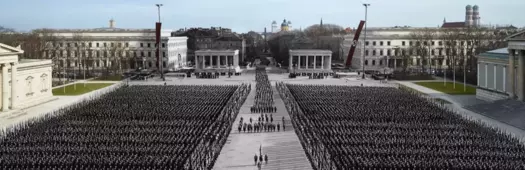
Understand how the horrors of WWII played out in the Capital of the Movement
 Walking Tour
|
120 mins
Modern History
Food And Drink
Neighbourhoods
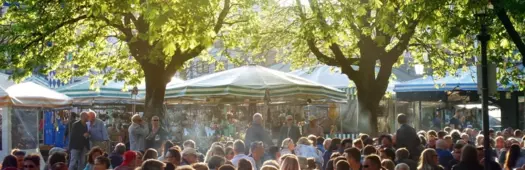
Visit a local guide’s favorite cafés and eateries in lesser-known locales
 Walking Tour
|
40 mins
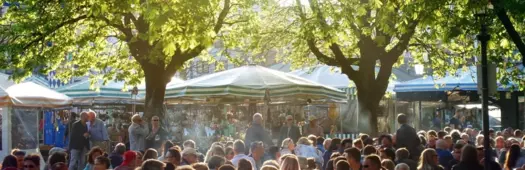
Probieren Sie Münchner Spezialitäten auf dem Weg durch die Münchner Altstadt
Walking Tour
|
40 mins

Modern History
War And Military
Politics
Visit the spot where beerhall rebellions birthed history’s darkest empire
Walking Tour
|
90 mins
Download the app for free
VoiceMap
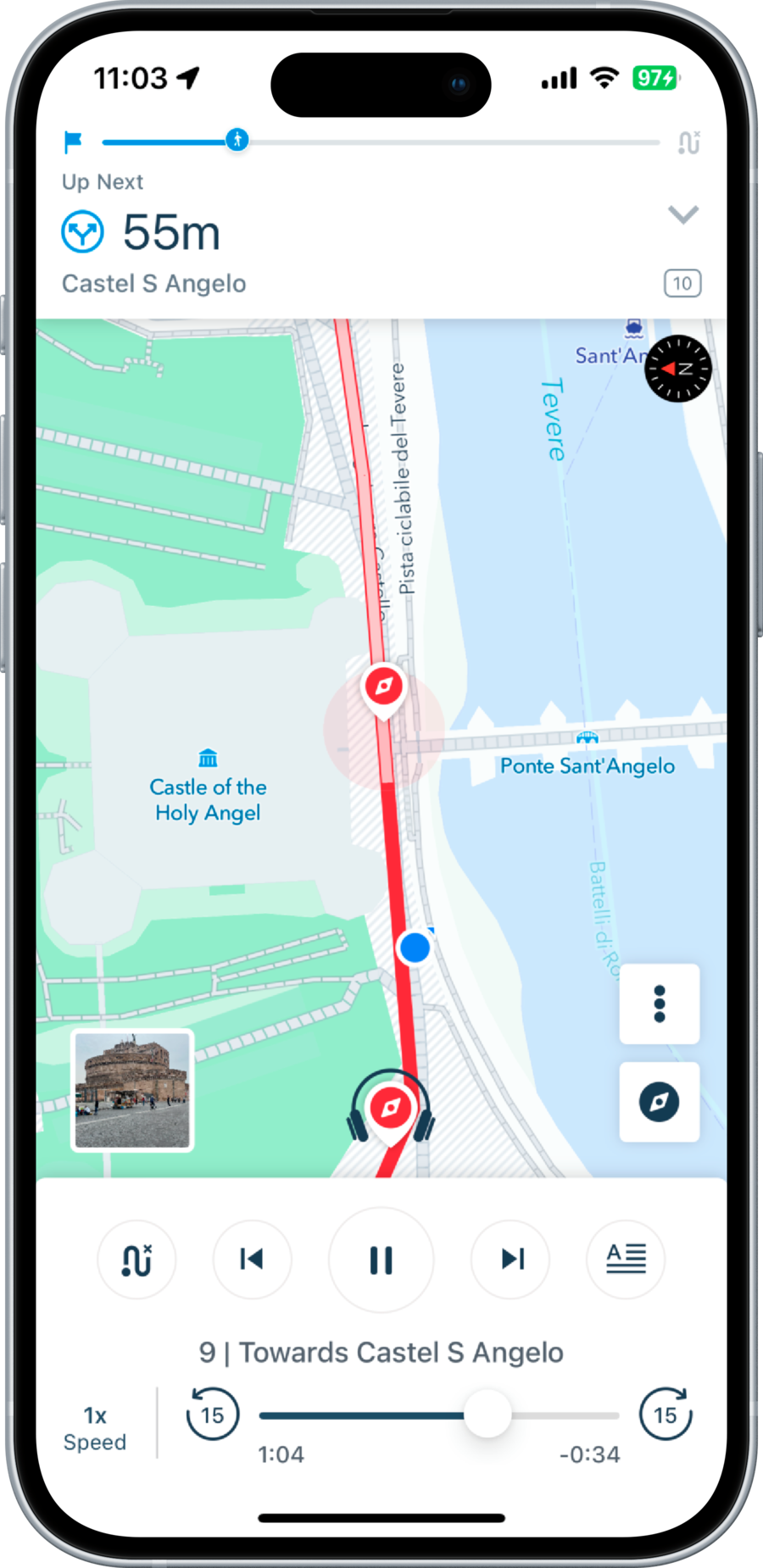
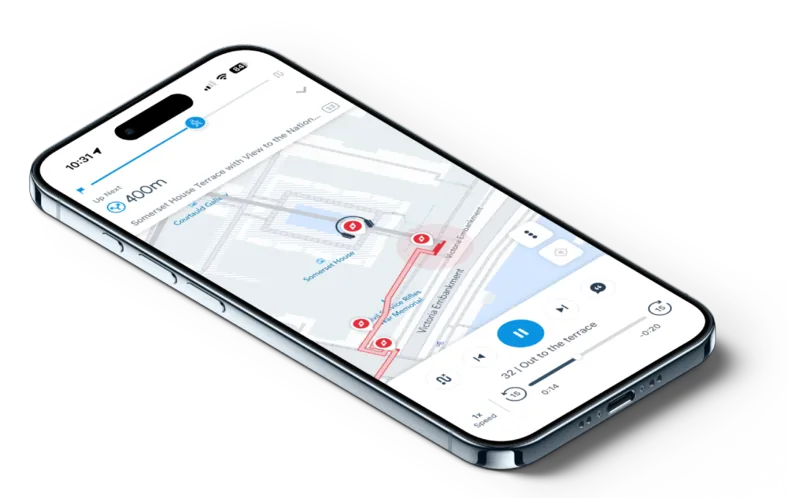
- Download tours to use them offline
- Listen hands-free with GPS playback
- Get turn-by-turn directions


Scan to get app
Download the app for free
VoiceMap




 App of the Day

 Editor’s Choice






Itchy feet? Us too
VoiceMap’s newsletter scratches that itch and stimulates your senses,
every fortnight. Curiosity is the only currency you need to subscribe.

Exploring is easier with a VoiceMap account
To purchase tours, add them to a wishlist, or access them with the VoiceMap app, please sign in or create a VoiceMap account


Exploring is easier with a VoiceMap account
To purchase tours, add them to a wishlist, or access them with the VoiceMap app, please sign in or create a VoiceMap account