





ATTRACTION
Praça do Comércio,
Lisbon

About
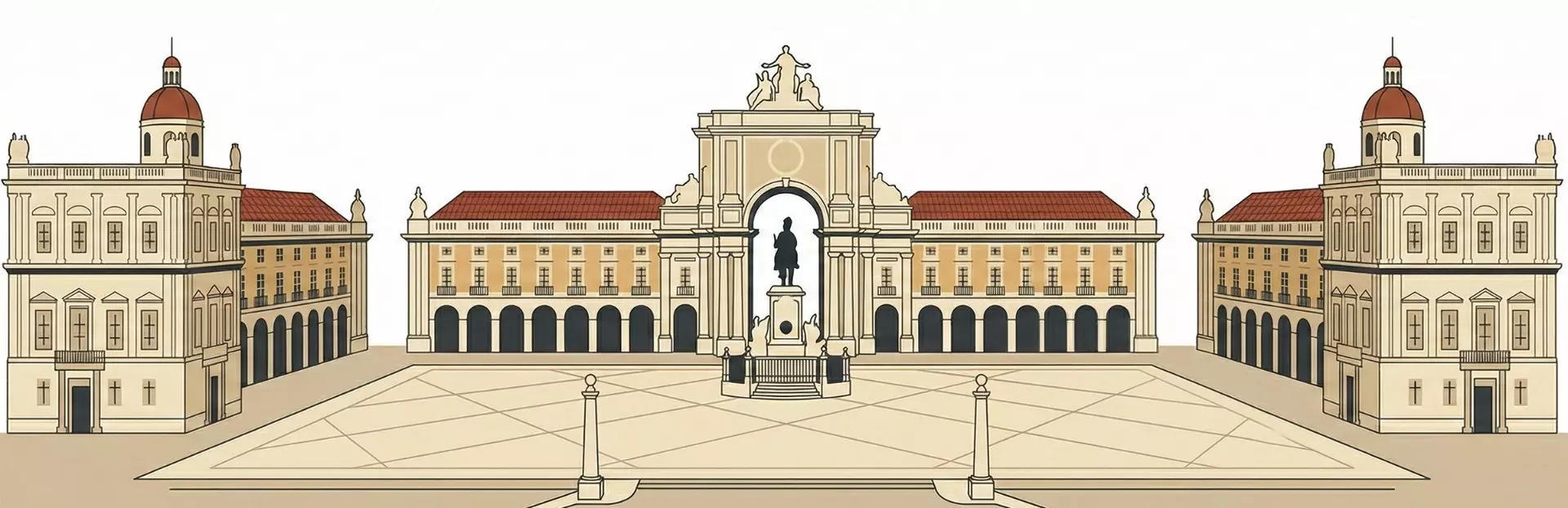
Praça do Comércio still goes by its old name among Lisboetas: Terreiro do Paço, the palace grounds. That's because for over two centuries, this was where the Ribeira Palace stood, home to Portugal's royal court and a library of 70,000 volumes.
Then came 9:40 am on All Saints' Day, 1755. Seagulls circled overhead, crying louder and louder. Rats and snakes scurried through the streets, all heading away from the river. Minutes later, the earthquake struck.
What rose from the ruins became one of Europe's largest squares, a vast riverside gateway designed not for kings but for commerce. Under its yellow arcades, merchants orchestrated global trade while King José I, mounted on his bronze horse, gazed toward the Tagus. The marble steps at the water's edge, Cais das Colunas, once welcomed foreign dignitaries directly into the palace itself.
VoiceMap's self-guided audio tours use the square to explain how that single November morning reshaped Lisbon's destiny, tracing the earthquake's impact from the first ominous animal warnings through Pombal's radical reconstruction plan that gave the city its rational grid of anti-seismic buildings.
Then came 9:40 am on All Saints' Day, 1755. Seagulls circled overhead, crying louder and louder. Rats and snakes scurried through the streets, all heading away from the river. Minutes later, the earthquake struck.
What rose from the ruins became one of Europe's largest squares, a vast riverside gateway designed not for kings but for commerce. Under its yellow arcades, merchants orchestrated global trade while King José I, mounted on his bronze horse, gazed toward the Tagus. The marble steps at the water's edge, Cais das Colunas, once welcomed foreign dignitaries directly into the palace itself.
VoiceMap's self-guided audio tours use the square to explain how that single November morning reshaped Lisbon's destiny, tracing the earthquake's impact from the first ominous animal warnings through Pombal's radical reconstruction plan that gave the city its rational grid of anti-seismic buildings.

Tours featuring Praça do Comércio (6)

Neighbourhoods
Architecture
Public Art
Get an architect’s perspective on a city rebuilt after the earthquake of 1755

 Walking Tour
|
 75 mins

Ancient History
Medieval History
Literature
Go for a spin along the riverfront that became Portugal’s gateway to the world

 Cycling Tour
|
90 mins
Neighbourhoods
Medieval History
Modern History
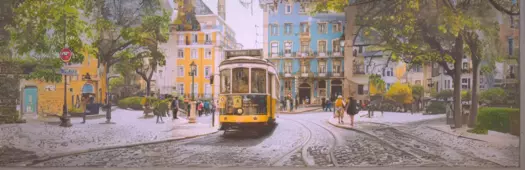
Wind your way back in time in this ancient melting pot and Moorish stronghold
 Train Tour
|
60 mins
Neighbourhoods
Medieval History
Modern History
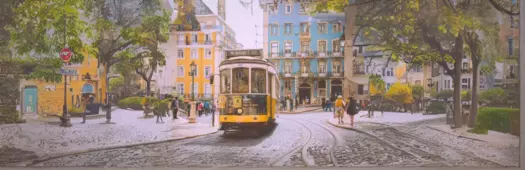
Schlängelt euch durch die Zeit in diesem antiken Schmelztiegel
Train Tour
|
60 mins
Neighbourhoods
Medieval History
Modern History
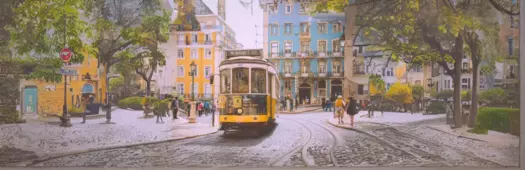
Wind your way back in time in this ancient melting pot and Moorish stronghold
Train Tour
|
60 mins

New Tour
No ratings yet
$14.99
Neighbourhoods
Medieval History
Modern History
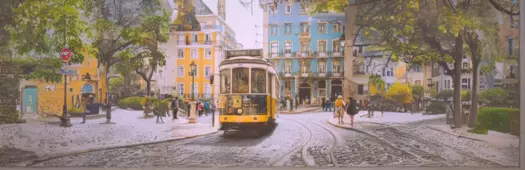
Serpentez à travers le temps dans cet ancien creuset et bastion mauresque
Train Tour
|
60 mins
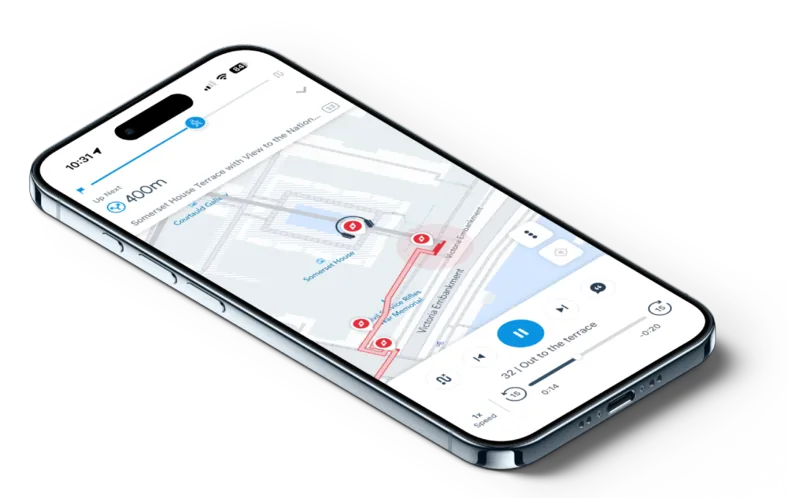
Download the app for free
VoiceMap
- Download tours to use them offline
- Listen hands-free with GPS playback
- Get turn-by-turn directions


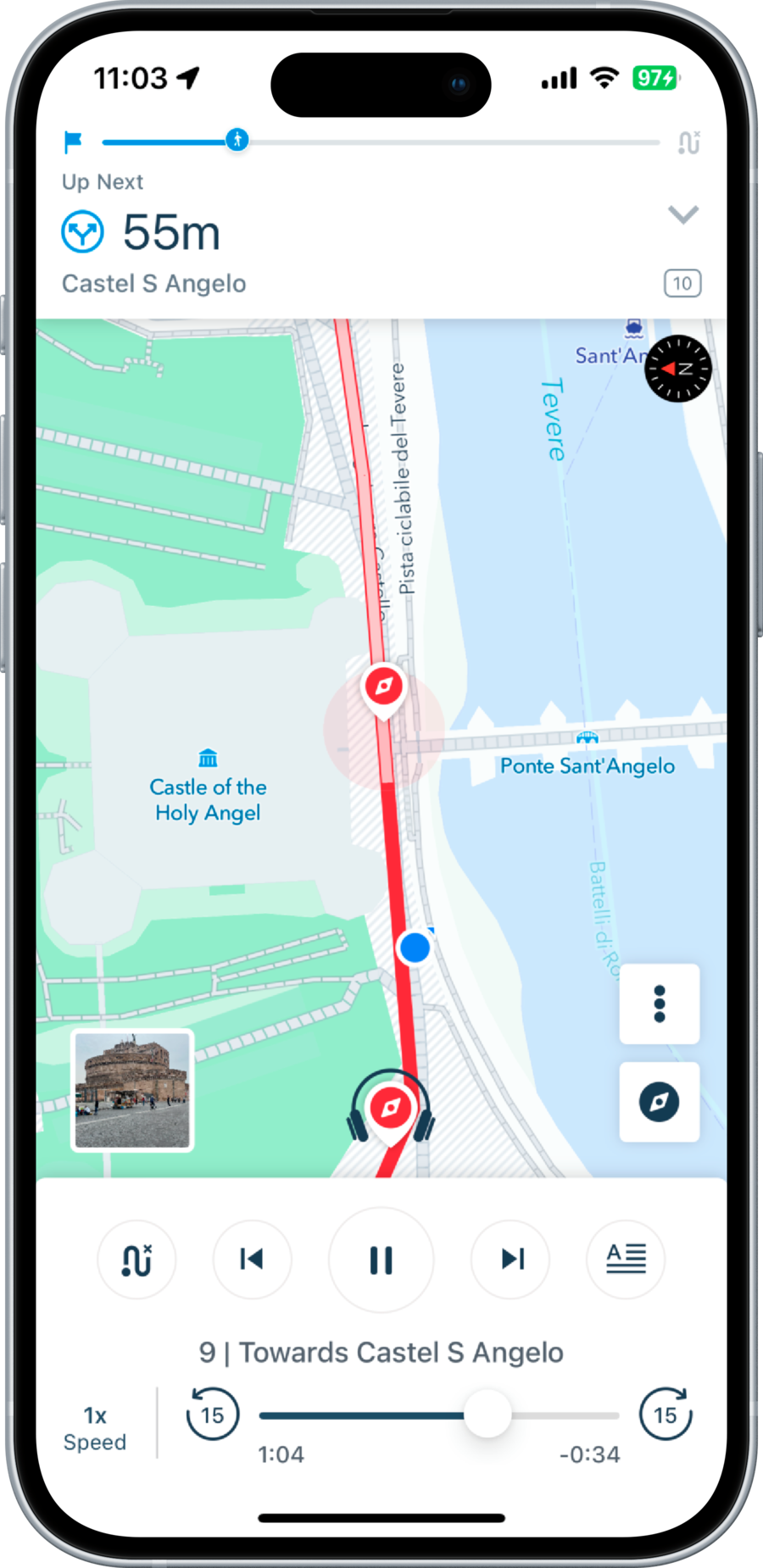
Scan to get app
Download the app for free
VoiceMap




 App of the Day

 Editor’s Choice






Itchy feet? Us too
VoiceMap’s newsletter scratches that itch and stimulates your senses,
every fortnight. Curiosity is the only currency you need to subscribe.

Exploring is easier with a VoiceMap account
To purchase tours, add them to a wishlist, or access them with the VoiceMap app, please sign in or create a VoiceMap account


Exploring is easier with a VoiceMap account
To purchase tours, add them to a wishlist, or access them with the VoiceMap app, please sign in or create a VoiceMap account