







ATTRACTION
National Pantheon,
Lisbon


About
Lisbon's National Pantheon took so long to build that it became a proverb. "Obras de Santa Engrácia" is the Portuguese expression for anything that seems destined never to be finished, a nod to the nearly 300 years between the first stone and the dome's completion in 1966.
The delay has its own origin story: a Jewish man named Simão Solis, wrongly accused of desecrating the original church in 1630, is said to have cursed the project from the scaffold before his execution.
What finally emerged is one of Portugal's finest Baroque buildings, with a Greek cross plan designed by royal architect João Antunes. Inside, polychrome marble lines almost every surface, and cenotaphs honour Vasco da Gama and Luís de Camões alongside the actual tombs of fado legend Amália Rodrigues and footballer Eusébio.
VoiceMap's self-guided audio tours through Alfama trace the neighbourhood's layered history, connecting the Pantheon's rooftop views to the streets, churches and stories that spread out below it.
The delay has its own origin story: a Jewish man named Simão Solis, wrongly accused of desecrating the original church in 1630, is said to have cursed the project from the scaffold before his execution.
What finally emerged is one of Portugal's finest Baroque buildings, with a Greek cross plan designed by royal architect João Antunes. Inside, polychrome marble lines almost every surface, and cenotaphs honour Vasco da Gama and Luís de Camões alongside the actual tombs of fado legend Amália Rodrigues and footballer Eusébio.
VoiceMap's self-guided audio tours through Alfama trace the neighbourhood's layered history, connecting the Pantheon's rooftop views to the streets, churches and stories that spread out below it.

Tours featuring National Pantheon (5)


Public Art
Architecture
Neighbourhoods
Track down Portuguese tiles’ influences from Roman mosaics to Ming Dynasty china

 Walking Tour
|
 75 mins
Neighbourhoods
Medieval History
Modern History
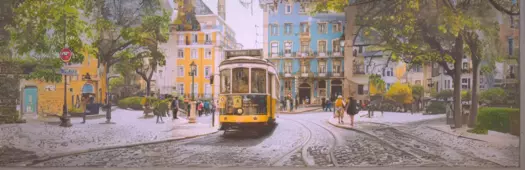
Wind your way back in time in this ancient melting pot and Moorish stronghold

 Train Tour
|
60 mins
Neighbourhoods
Medieval History
Modern History
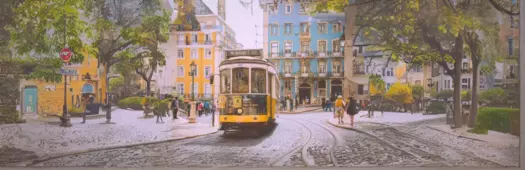
Schlängelt euch durch die Zeit in diesem antiken Schmelztiegel
Train Tour
|
60 mins
Neighbourhoods
Medieval History
Modern History
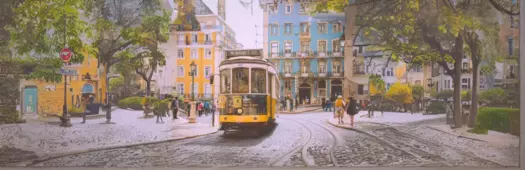
Wind your way back in time in this ancient melting pot and Moorish stronghold
Train Tour
|
60 mins

New Tour
No ratings yet
$14.99
Neighbourhoods
Medieval History
Modern History
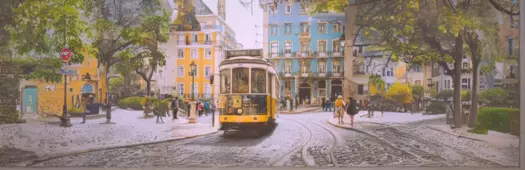
Serpentez à travers le temps dans cet ancien creuset et bastion mauresque
Train Tour
|
60 mins
Download the app for free
VoiceMap
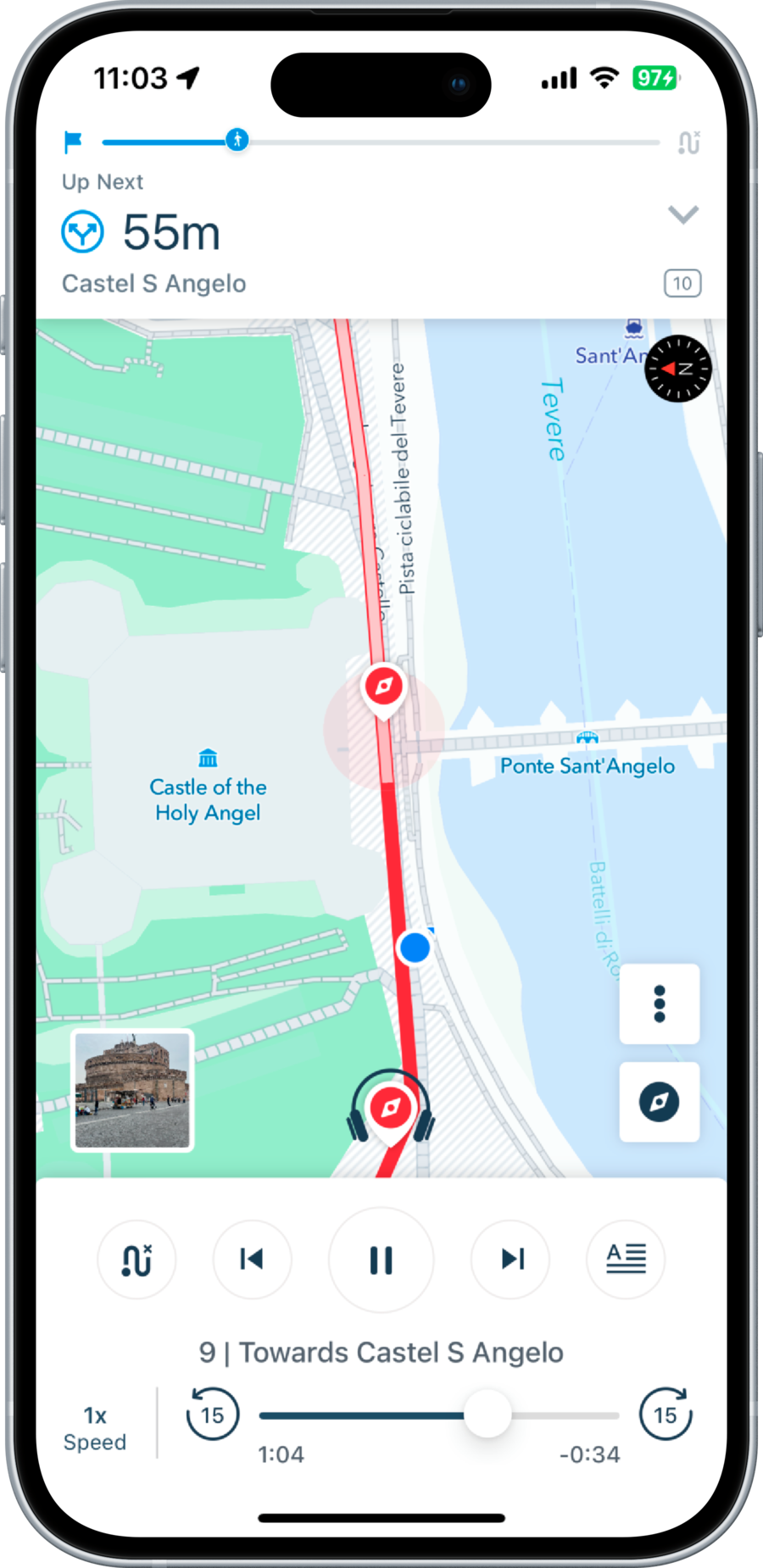
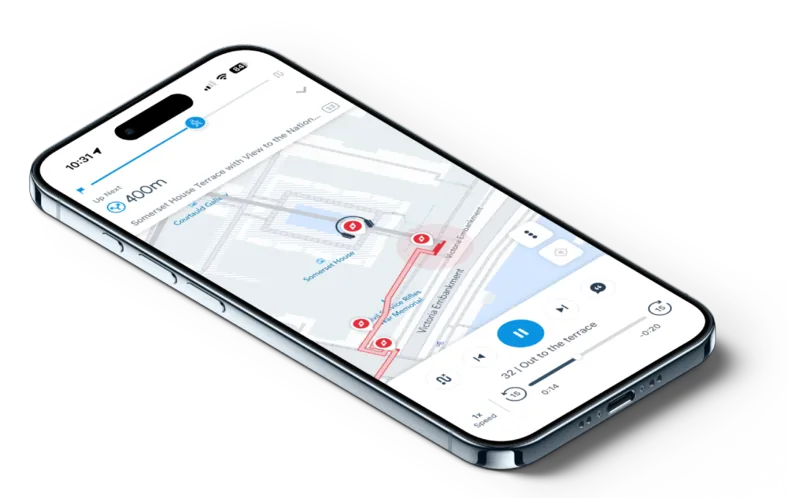
- Download tours to use them offline
- Listen hands-free with GPS playback
- Get turn-by-turn directions


Scan to get app
Download the app for free
VoiceMap




 App of the Day

 Editor’s Choice






Itchy feet? Us too
VoiceMap’s newsletter scratches that itch and stimulates your senses,
every fortnight. Curiosity is the only currency you need to subscribe.

Exploring is easier with a VoiceMap account
To purchase tours, add them to a wishlist, or access them with the VoiceMap app, please sign in or create a VoiceMap account


Exploring is easier with a VoiceMap account
To purchase tours, add them to a wishlist, or access them with the VoiceMap app, please sign in or create a VoiceMap account