







ATTRACTION
Carmo Convent,
Lisbon


About
The Carmo Convent was Lisbon's largest church when, on All Saints' Day 1755, its Gothic vaults collapsed onto a congregation at prayer. An earthquake destroyed the building and its library of 5,000 volumes, but Lisbon chose not to rebuild. The roofless nave, with its arches open to the sky, remains the city's most visible scar from that catastrophe.
Its founder, the military commander Nuno Álvares Pereira, picked this hilltop deliberately. It reminded him of Mount Carmel in Palestine, spiritual home of the Carmelites. Centuries later, the square outside became the stage for another defining moment when Portugal's dictator surrendered here during the 1974 Carnation Revolution.
Today, the ruins house an archaeological museum whose collection ranges from a Roman sarcophagus carved with Muses to Peruvian mummies.
VoiceMap's self-guided audio tours trace the convent's connections to the 1755 earthquake, exploring how one morning reshaped an entire city and why Lisbon chose to preserve the wreckage rather than erase it.
Its founder, the military commander Nuno Álvares Pereira, picked this hilltop deliberately. It reminded him of Mount Carmel in Palestine, spiritual home of the Carmelites. Centuries later, the square outside became the stage for another defining moment when Portugal's dictator surrendered here during the 1974 Carnation Revolution.
Today, the ruins house an archaeological museum whose collection ranges from a Roman sarcophagus carved with Muses to Peruvian mummies.
VoiceMap's self-guided audio tours trace the convent's connections to the 1755 earthquake, exploring how one morning reshaped an entire city and why Lisbon chose to preserve the wreckage rather than erase it.

Tours featuring Carmo Convent (4)

Neighbourhoods
Medieval History
Modern History
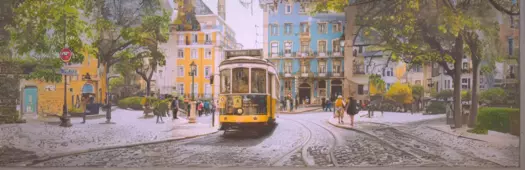
Wind your way back in time in this ancient melting pot and Moorish stronghold

 Train Tour
|
 60 mins
Neighbourhoods
Medieval History
Modern History
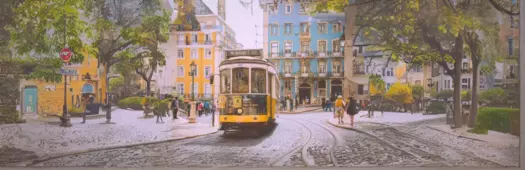
Schlängelt euch durch die Zeit in diesem antiken Schmelztiegel
Train Tour
|
60 mins
Neighbourhoods
Medieval History
Modern History
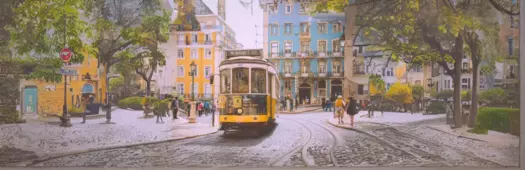
Wind your way back in time in this ancient melting pot and Moorish stronghold
Train Tour
|
60 mins

New Tour
No ratings yet
$14.99
Neighbourhoods
Medieval History
Modern History
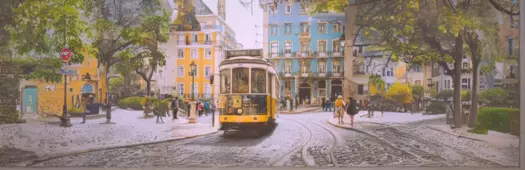
Serpentez à travers le temps dans cet ancien creuset et bastion mauresque
Train Tour
|
60 mins
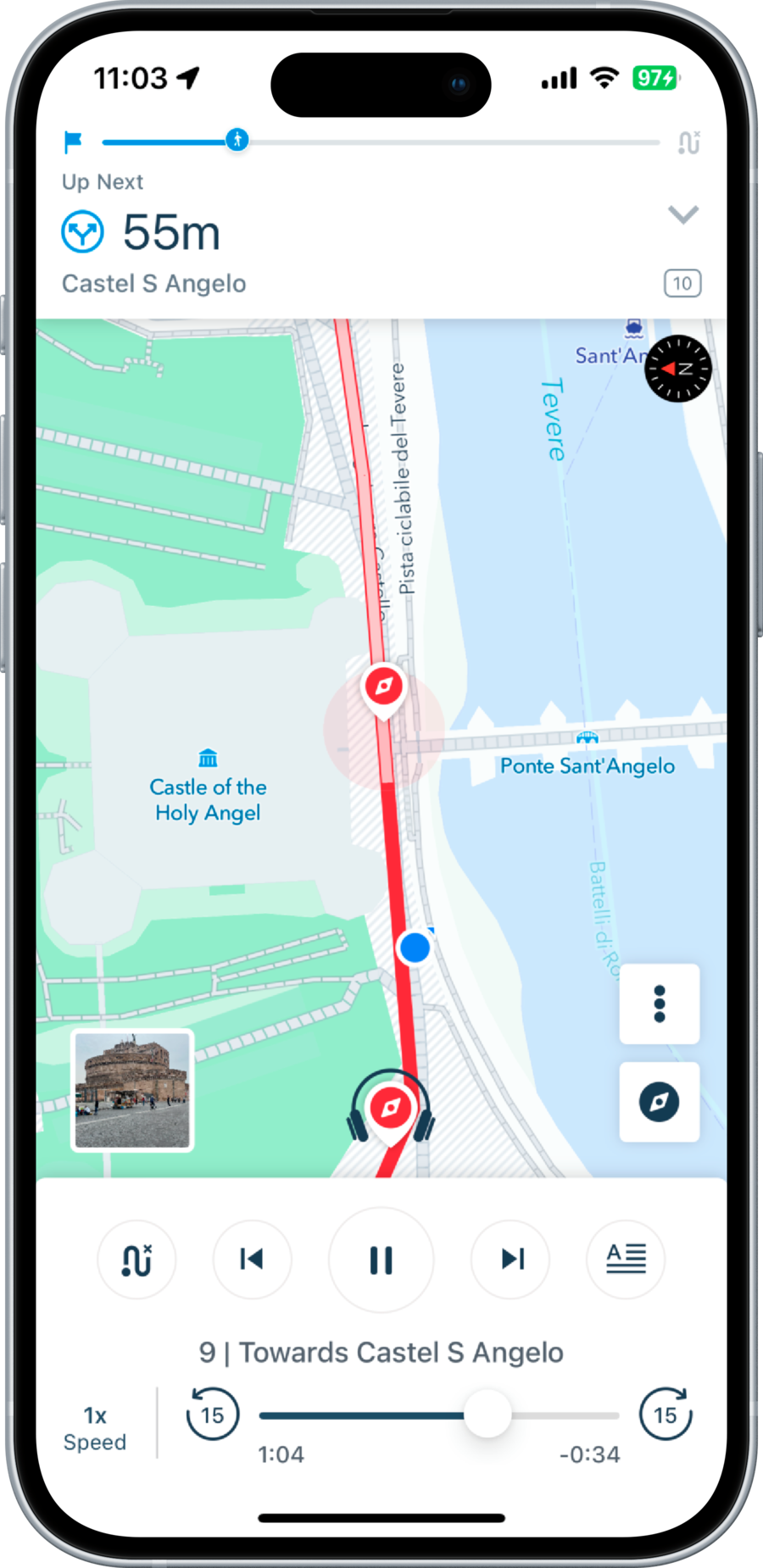
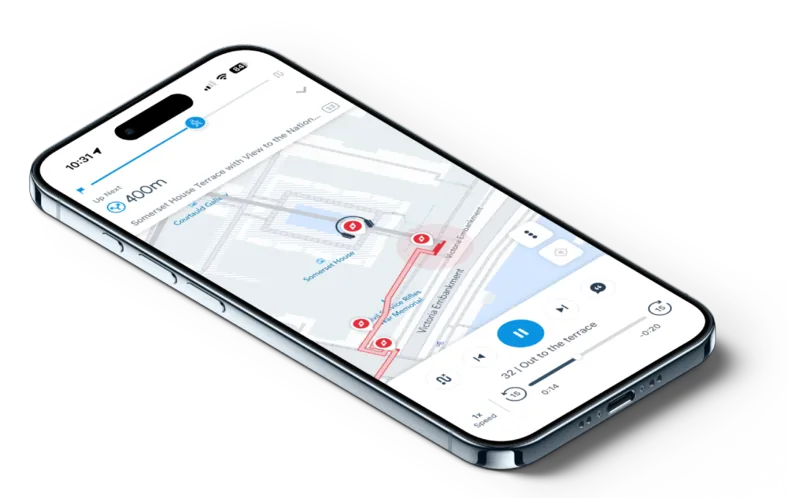
Download the app for free
VoiceMap
- Download tours to use them offline
- Listen hands-free with GPS playback
- Get turn-by-turn directions


Scan to get app
Download the app for free
VoiceMap




 App of the Day

 Editor’s Choice






Itchy feet? Us too
VoiceMap’s newsletter scratches that itch and stimulates your senses,
every fortnight. Curiosity is the only currency you need to subscribe.

Exploring is easier with a VoiceMap account
To purchase tours, add them to a wishlist, or access them with the VoiceMap app, please sign in or create a VoiceMap account


Exploring is easier with a VoiceMap account
To purchase tours, add them to a wishlist, or access them with the VoiceMap app, please sign in or create a VoiceMap account