





ATTRACTION
Arco da Rua Augusta,
Lisbon

About
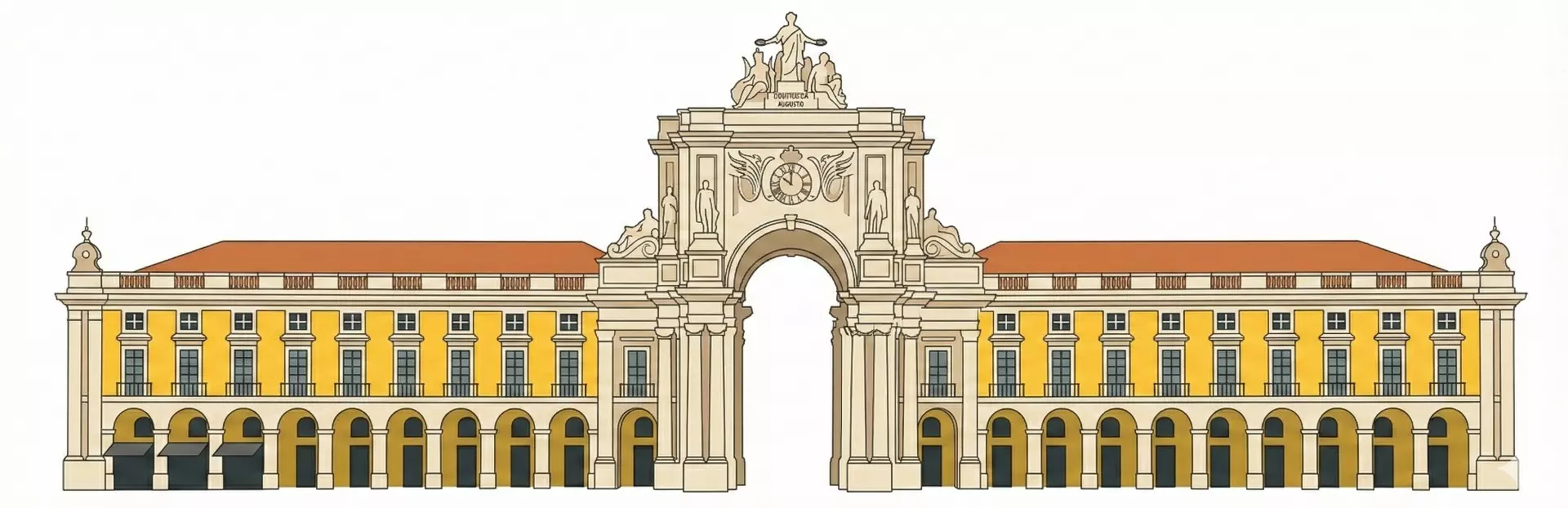
The Arco da Rua Augusta took over a century to build, which is either an impressive dedication or a cautionary tale about project management.
Conceived in 1759 as part of Lisbon's rebirth after the catastrophic earthquake of 1755, the arch wasn't completed until 1873. The original plans called for a bell tower, but ambitions grew along with the delays.
What finally emerged is a neoclassical triumph crowned by Célestin Anatole Calmels' allegory of Glory rewarding Valour and Genius. Below stand statues of four Portuguese heroes: Vasco da Gama, the Marquis of Pombal, who rebuilt the shattered city, the medieval general Nuno Álvares Pereira, and Viriatus, who made life difficult for the Romans. Two reclining figures represent the Tagus and Douro rivers.
VoiceMap's self-guided audio tours explore the arch as the ceremonial gateway between the grid-patterned Baixa district and the vast Praça do Comércio, revealing how Pombal's earthquake-resistant urban design transformed catastrophe into architectural innovation.
Conceived in 1759 as part of Lisbon's rebirth after the catastrophic earthquake of 1755, the arch wasn't completed until 1873. The original plans called for a bell tower, but ambitions grew along with the delays.
What finally emerged is a neoclassical triumph crowned by Célestin Anatole Calmels' allegory of Glory rewarding Valour and Genius. Below stand statues of four Portuguese heroes: Vasco da Gama, the Marquis of Pombal, who rebuilt the shattered city, the medieval general Nuno Álvares Pereira, and Viriatus, who made life difficult for the Romans. Two reclining figures represent the Tagus and Douro rivers.
VoiceMap's self-guided audio tours explore the arch as the ceremonial gateway between the grid-patterned Baixa district and the vast Praça do Comércio, revealing how Pombal's earthquake-resistant urban design transformed catastrophe into architectural innovation.

Tours featuring Arco da Rua Augusta (6)

Neighbourhoods
Architecture
Public Art
Get an architect’s perspective on a city rebuilt after the earthquake of 1755

 Walking Tour
|
 75 mins

Ancient History
Medieval History
Literature
Go for a spin along the riverfront that became Portugal’s gateway to the world

 Cycling Tour
|
90 mins
Neighbourhoods
Medieval History
Modern History
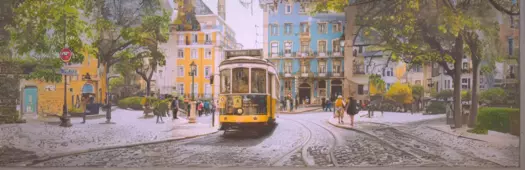
Wind your way back in time in this ancient melting pot and Moorish stronghold
 Train Tour
|
60 mins
Neighbourhoods
Medieval History
Modern History
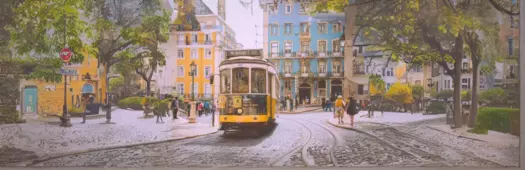
Schlängelt euch durch die Zeit in diesem antiken Schmelztiegel
Train Tour
|
60 mins
Neighbourhoods
Medieval History
Modern History
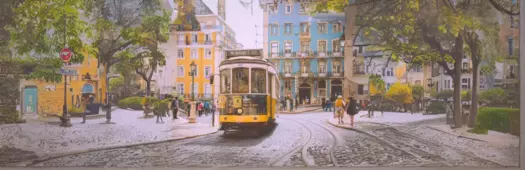
Wind your way back in time in this ancient melting pot and Moorish stronghold
Train Tour
|
60 mins

New Tour
No ratings yet
$14.99
Neighbourhoods
Medieval History
Modern History
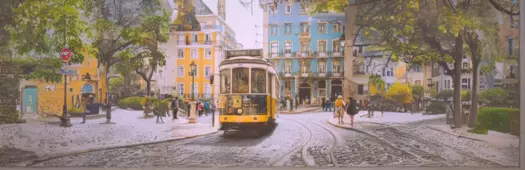
Serpentez à travers le temps dans cet ancien creuset et bastion mauresque
Train Tour
|
60 mins
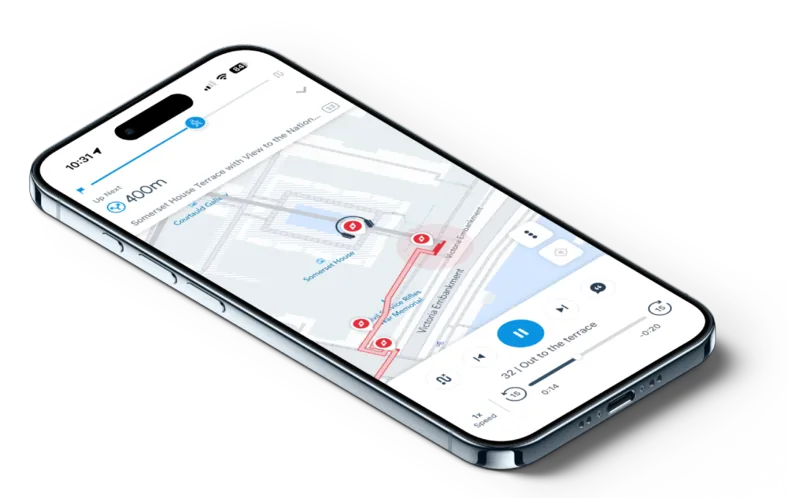
Download the app for free
VoiceMap
- Download tours to use them offline
- Listen hands-free with GPS playback
- Get turn-by-turn directions


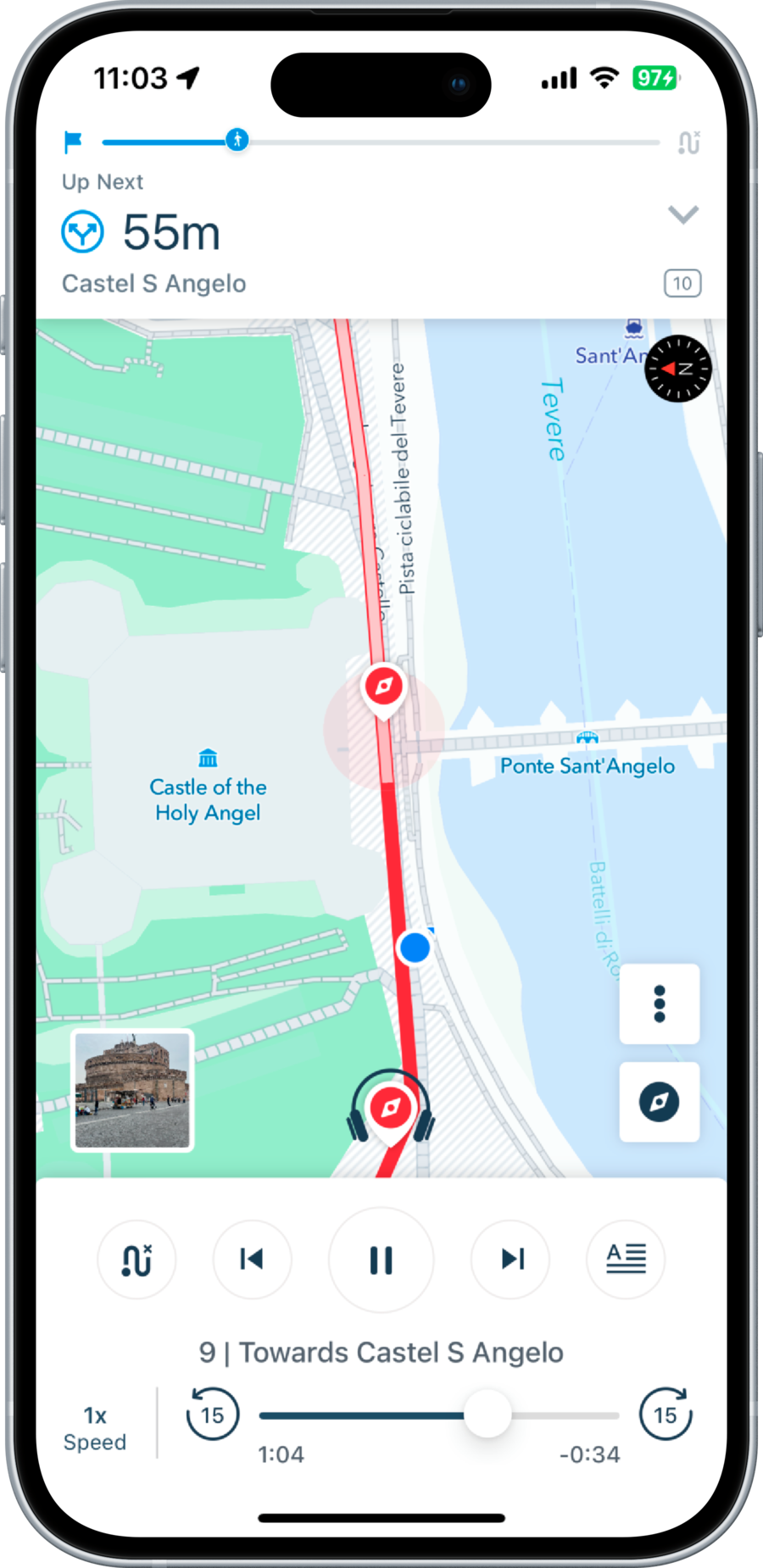
Scan to get app
Download the app for free
VoiceMap




 App of the Day

 Editor’s Choice






Itchy feet? Us too
VoiceMap’s newsletter scratches that itch and stimulates your senses,
every fortnight. Curiosity is the only currency you need to subscribe.

Exploring is easier with a VoiceMap account
To purchase tours, add them to a wishlist, or access them with the VoiceMap app, please sign in or create a VoiceMap account


Exploring is easier with a VoiceMap account
To purchase tours, add them to a wishlist, or access them with the VoiceMap app, please sign in or create a VoiceMap account