







ATTRACTION
Rynek Glowny Square,
Kraków

About
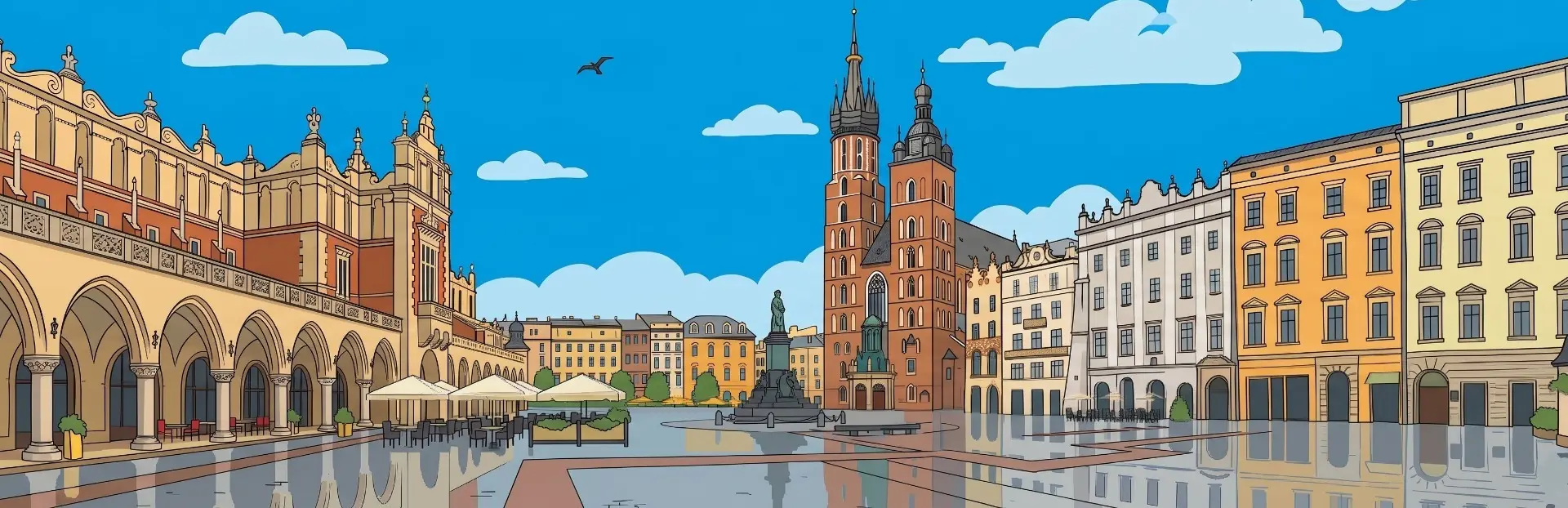
Rynek Główny has been the heart of Kraków since 1257, making it the largest medieval market square in Europe. That's not a record it holds modestly. For centuries, everything of consequence happened here: traders sold salt at half the price of gold; Tadeusz Kościuszko mustered his army of 6,000 before marching on Warsaw in 1794; and in 1939 the Nazi occupiers renamed it Adolf Hitler Platz. The name didn't stick.
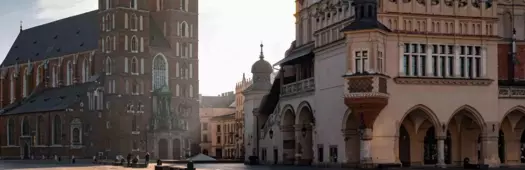
At the square's centre sits the Cloth Hall, rebuilt in Italian Renaissance style after a 1555 fire at the insistence of Queen Bona Sforza. On the hour, every hour, a trumpeter sounds the Hejnal from St. Mary's Basilica, always cutting it short mid-note in memory of the medieval watchman. He killed by a Tartar arrow before he could finish.
VoiceMap's self-guided tours use the square as a lens for Polish history, tracing the Kościuszko rebellion, the legends behind the Cloth Hall's hanging knife, and a sculptor's quiet revenge hidden in the square's most-photographed artwork.
At the square's centre sits the Cloth Hall, rebuilt in Italian Renaissance style after a 1555 fire at the insistence of Queen Bona Sforza. On the hour, every hour, a trumpeter sounds the Hejnal from St. Mary's Basilica, always cutting it short mid-note in memory of the medieval watchman. He killed by a Tartar arrow before he could finish.
VoiceMap's self-guided tours use the square as a lens for Polish history, tracing the Kościuszko rebellion, the legends behind the Cloth Hall's hanging knife, and a sculptor's quiet revenge hidden in the square's most-photographed artwork.

Tours featuring Rynek Glowny Square (1)

Top Sights
Medieval History
Local Legends
A world of ancient kings and fire-breathing dragons awaits in Kraków's old town

 Walking Tour
|
 120 mins
Download the app for free
VoiceMap
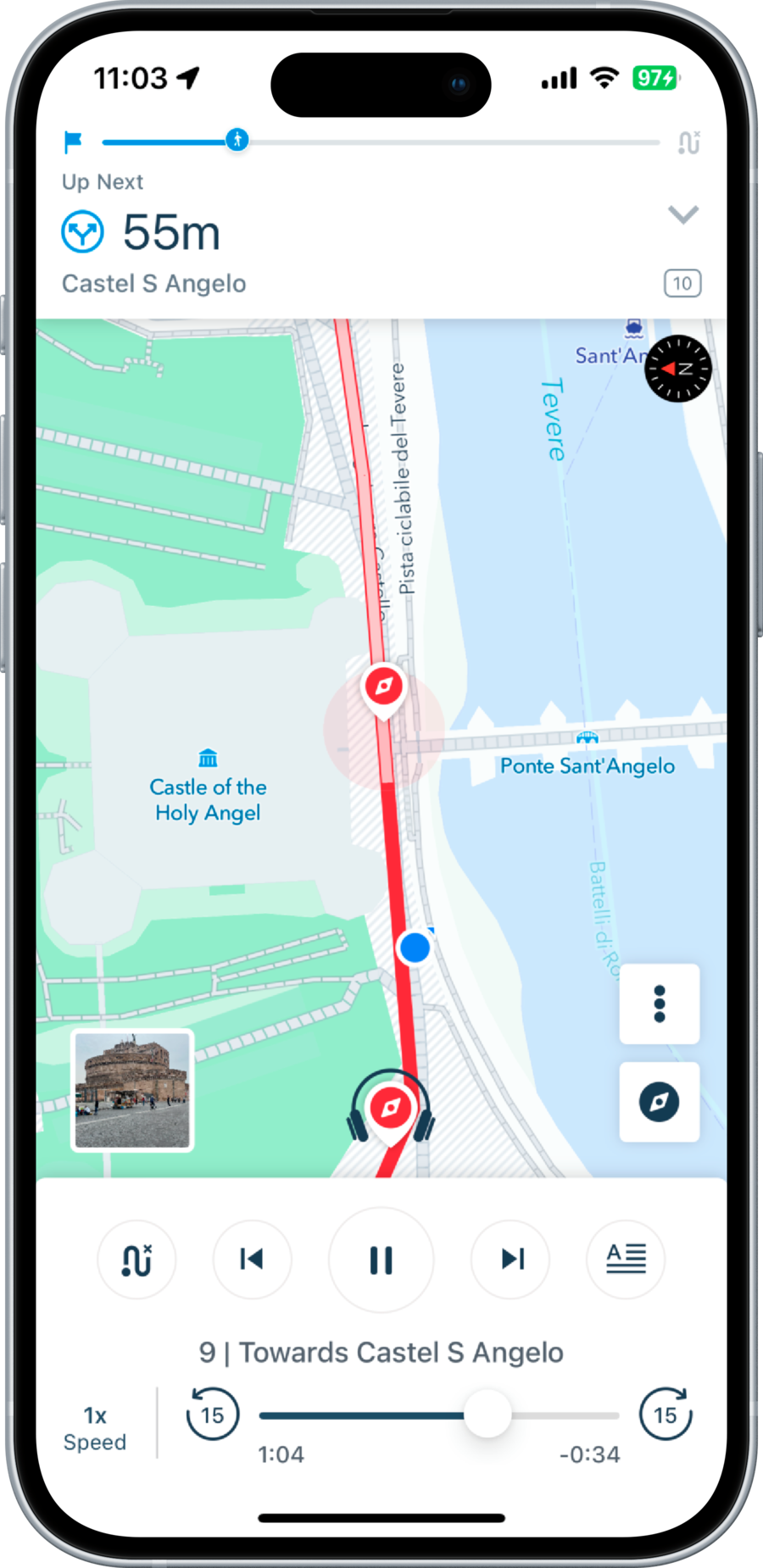
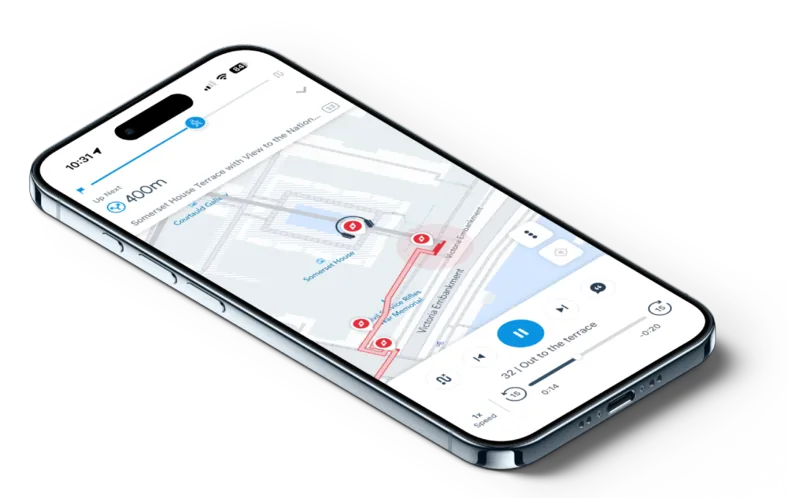
- Download tours to use them offline
- Listen hands-free with GPS playback
- Get turn-by-turn directions


Scan to get app
Download the app for free
VoiceMap




 App of the Day

 Editor’s Choice






Itchy feet? Us too
VoiceMap’s newsletter scratches that itch and stimulates your senses,
every fortnight. Curiosity is the only currency you need to subscribe.

Exploring is easier with a VoiceMap account
To purchase tours, add them to a wishlist, or access them with the VoiceMap app, please sign in or create a VoiceMap account


Exploring is easier with a VoiceMap account
To purchase tours, add them to a wishlist, or access them with the VoiceMap app, please sign in or create a VoiceMap account