







ATTRACTION
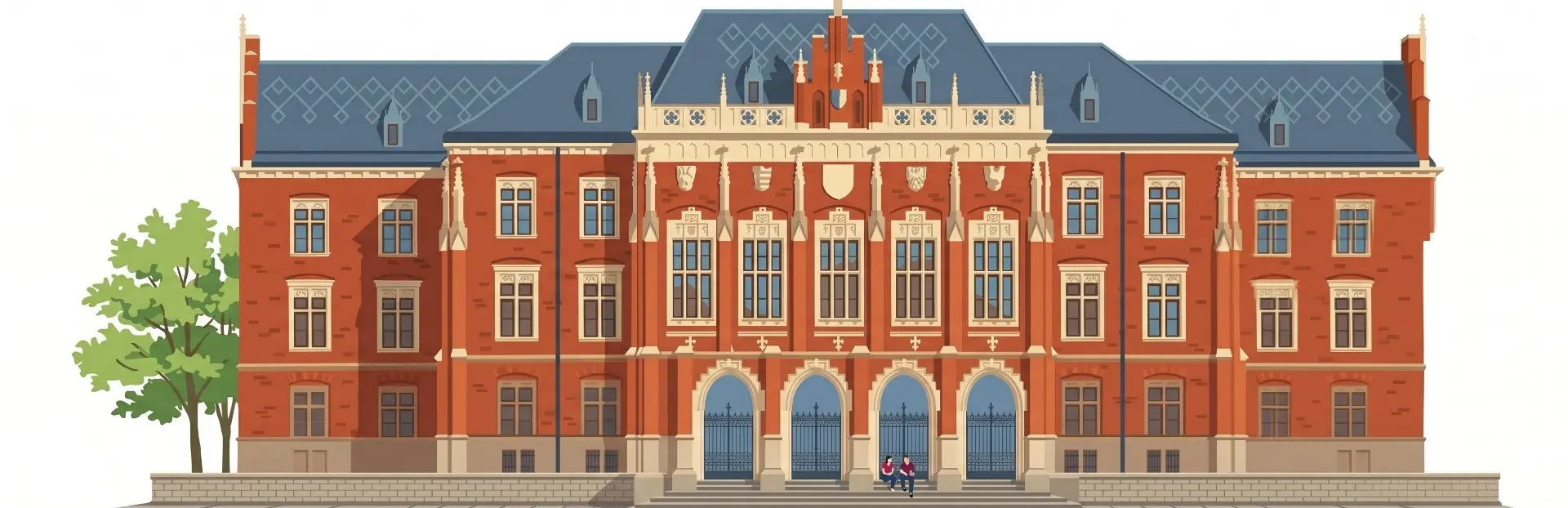
The Collegium Maius,
Kraków

About
Collegium Maius, meaning "great college," is the Jagiellonian University's oldest building, its Gothic courtyard dating to the 1400s, though the university itself was founded here in 1364. Look up at the roofline, and you'll spot gargoyles the locals call "the pukers," channelling rainwater since the Middle Ages. On the left wall, a musical clock sounds every two hours. Its figures include Queen Jadwiga, who famously donated her own crown jewels to fund the university's revival.
Inside, the university museum tells the story of its most celebrated alumni. Nicolaus Copernicus arrived here in 1491 and went on to upend everything; planets orbit the sun, not the other way around. He became, as people said at the time, the man who stopped the sun and moved the earth.
VoiceMap's self-guided audio tours use Collegium Maius to trace the Jagiellonian University's remarkable legacy, connecting Copernicus's revolution to Marie Curie's rejected application and the Nazi arrest of 183 professors in 1939, telling the story of an institution that shaped science, survived occupation and kept teaching in secret.
Inside, the university museum tells the story of its most celebrated alumni. Nicolaus Copernicus arrived here in 1491 and went on to upend everything; planets orbit the sun, not the other way around. He became, as people said at the time, the man who stopped the sun and moved the earth.
VoiceMap's self-guided audio tours use Collegium Maius to trace the Jagiellonian University's remarkable legacy, connecting Copernicus's revolution to Marie Curie's rejected application and the Nazi arrest of 183 professors in 1939, telling the story of an institution that shaped science, survived occupation and kept teaching in secret.

Tours featuring the Collegium Maius (1)


Top Sights
Medieval History
Local Legends
A world of ancient kings and fire-breathing dragons awaits in Kraków's old town

 Walking Tour
|
 120 mins
Download the app for free
VoiceMap
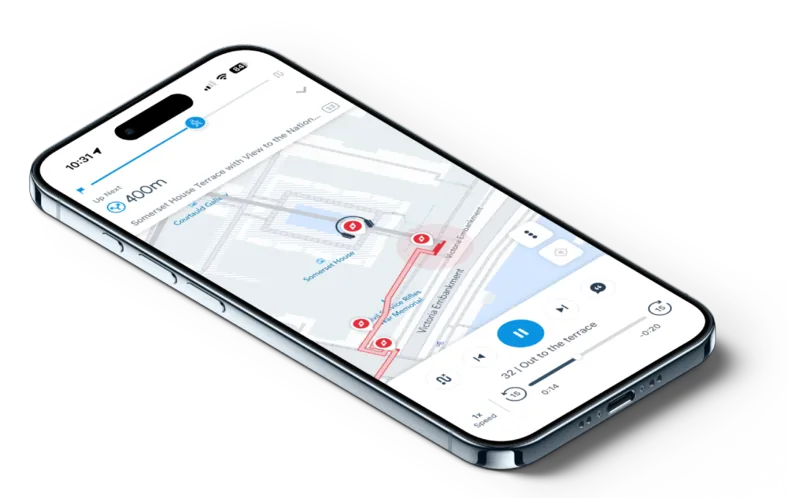
- Download tours to use them offline
- Listen hands-free with GPS playback
- Get turn-by-turn directions


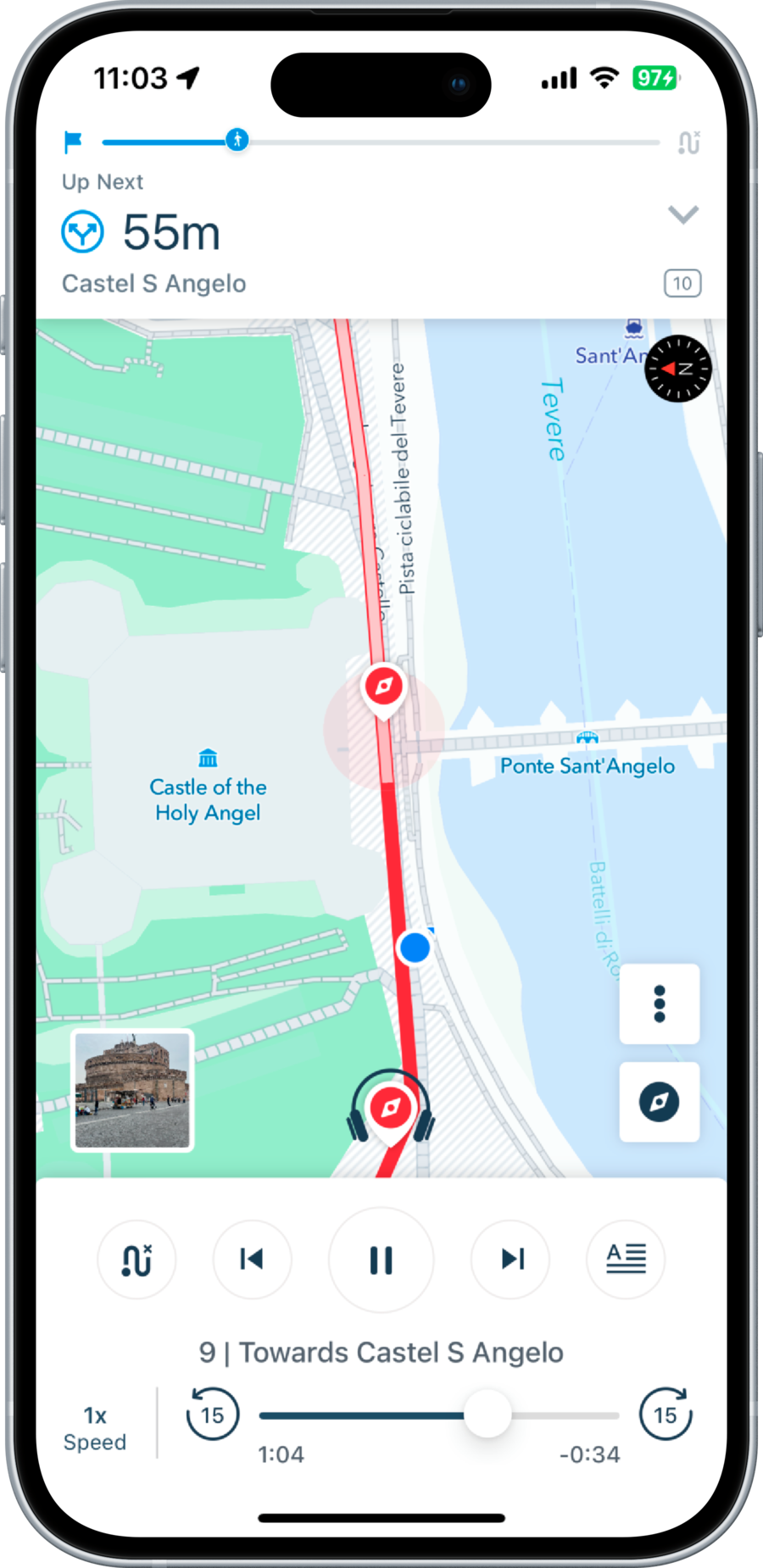
Scan to get app
Download the app for free
VoiceMap




 App of the Day

 Editor’s Choice






Itchy feet? Us too
VoiceMap’s newsletter scratches that itch and stimulates your senses,
every fortnight. Curiosity is the only currency you need to subscribe.

Exploring is easier with a VoiceMap account
To purchase tours, add them to a wishlist, or access them with the VoiceMap app, please sign in or create a VoiceMap account


Exploring is easier with a VoiceMap account
To purchase tours, add them to a wishlist, or access them with the VoiceMap app, please sign in or create a VoiceMap account