





ATTRACTION
Ponte Vecchio,
Florence

About
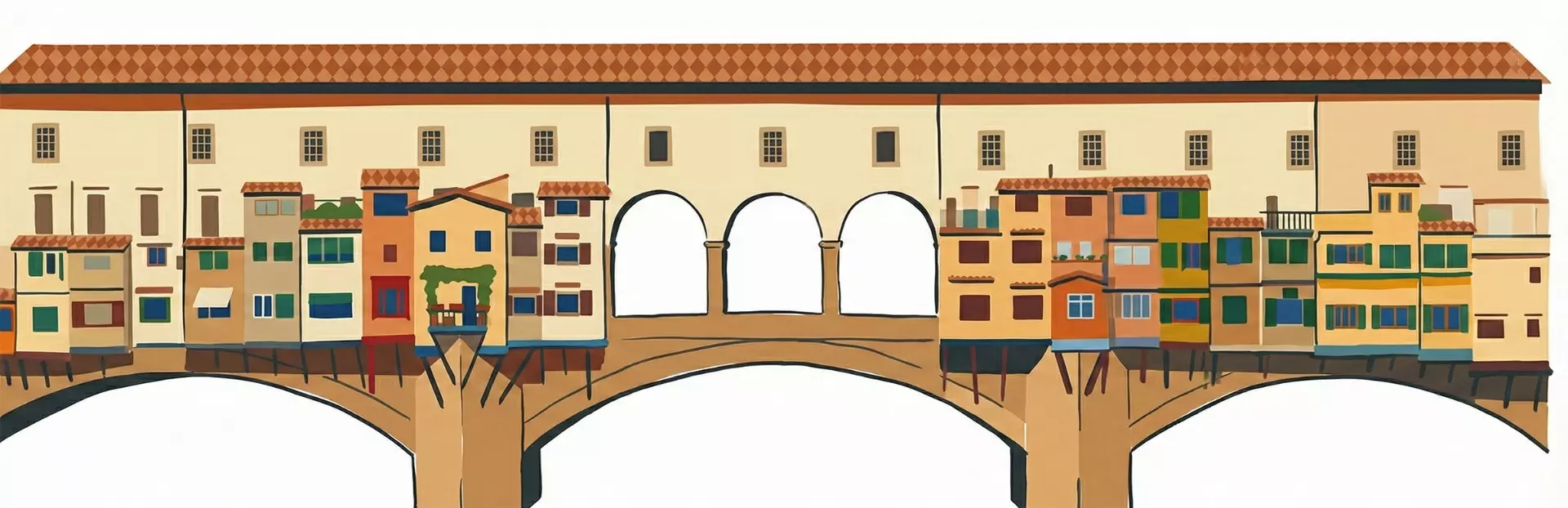
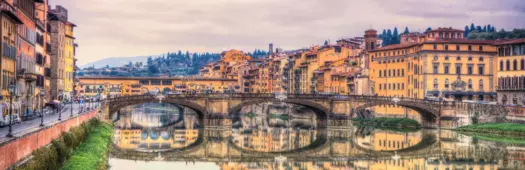
Ponte Vecchio survived a flood in 1333, the wrath of the Arno in 1966, and a peculiar episode in 1593 when Grand Duke Ferdinand I decided he'd had quite enough of the smell.
For centuries, butchers had occupied the bridge's shops, cheerfully tossing blood and offal into the river below. Ferdinand, who commuted across the bridge via the Vasari Corridor overhead, found the stench intolerable. He evicted the lot and replaced them with goldsmiths and jewellers, whose trade produced significantly less olfactory offence.
The decree still holds. Today's bridge glitters with gold rather than dripping with entrails, a transformation that proved fortunate when German forces retreated through Florence in August 1944. While every other bridge across the Arno was destroyed that night, Ponte Vecchio survived. Whether Hitler spared it for its beauty, German consul Gerhard Wolf intervened, or a brave shop assistant disabled the mines remains deliciously uncertain.
VoiceMap's self-guided audio tours trace the Medici's influence across Florence, explaining how the family's private corridor above the bridge transformed it from a meat market to a jewellery showcase, connecting the Vasari Corridor's architectural ambitions to the glittering commerce still visible in the shops below.
For centuries, butchers had occupied the bridge's shops, cheerfully tossing blood and offal into the river below. Ferdinand, who commuted across the bridge via the Vasari Corridor overhead, found the stench intolerable. He evicted the lot and replaced them with goldsmiths and jewellers, whose trade produced significantly less olfactory offence.
The decree still holds. Today's bridge glitters with gold rather than dripping with entrails, a transformation that proved fortunate when German forces retreated through Florence in August 1944. While every other bridge across the Arno was destroyed that night, Ponte Vecchio survived. Whether Hitler spared it for its beauty, German consul Gerhard Wolf intervened, or a brave shop assistant disabled the mines remains deliciously uncertain.
VoiceMap's self-guided audio tours trace the Medici's influence across Florence, explaining how the family's private corridor above the bridge transformed it from a meat market to a jewellery showcase, connecting the Vasari Corridor's architectural ambitions to the glittering commerce still visible in the shops below.

Tours featuring Ponte Vecchio (15)

Top Sights
Ancient History
Architecture
Parade through piazzas and ancient streets in the cradle of the Renaissance

 Walking Tour
|
 60 mins
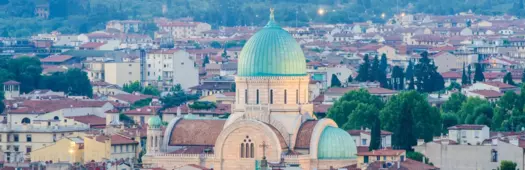
Architecture
Scenic Routes
Local Legends
Trace the history of Florentine Jews from the ghetto to the Great Synagogue
 Walking Tour
|
60 mins
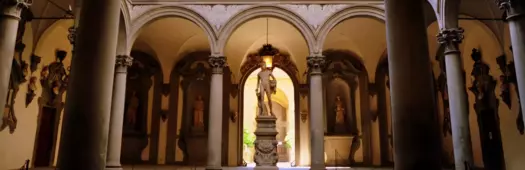
Architecture
Top Sights
Politics
Trace the city’s transformation under three centuries of Medici rule
Walking Tour
|
45 mins
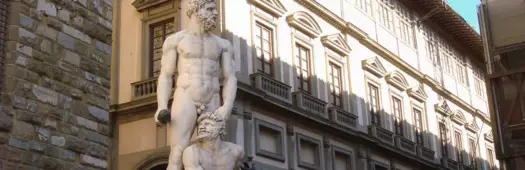
Promenade à travers les places et les rues anciennes au cœur de la Renaissance
Walking Tour
|
60 mins
Sfilata attraverso piazze e vie antiche nella culla del Rinascimento
Walking Tour
|
60 mins

New Tour
No ratings yet
$8.99
Architecture
Local Legends
Top Sights
Stroll past medieval palaces and piazzas in the city that inspired Michelangelo
Walking Tour
|
75 mins
Medieval History
Architecture
UNESCO Sites
Wander through piazzas and cathedrals on this Florentine adventure
 Walking Tour
|
90 mins
Royal Heritage
Architecture
Scenic Routes
Find out how a river shaped the fortunes of this beautiful Renaissance city
Walking Tour
|
90 mins
Retracer trois siècles d'art et de politique sous le règne des Médicis
Walking Tour
|
45 mins
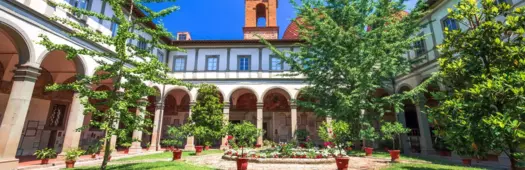
Modern History
Ancient History
Neighbourhoods
Find authentic Florence on a stroll through lively piazzas and narrow lanes
Walking Tour
|
60 mins
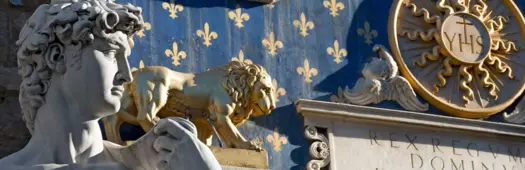
Top Sights
Medieval History
Food And Drink
Take in the Renaissance city's art, history, and architecture on a fun stroll
 Walking Tour
|
60 mins
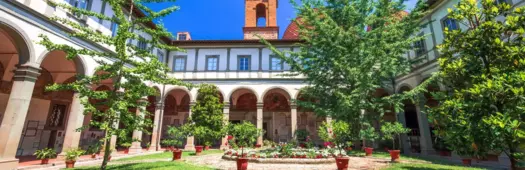
Découvrez la Florence authentique à travers les places et les rues de l'Oltrarno
Walking Tour
|
45 mins
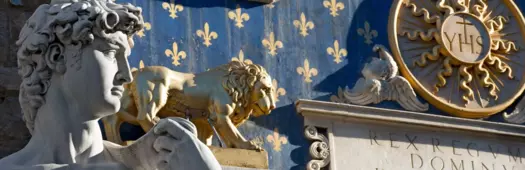
Erleben Sie Kunst, Geschichte und Architektur der Renaissance bei einem Rundgang
Walking Tour
|
60 mins
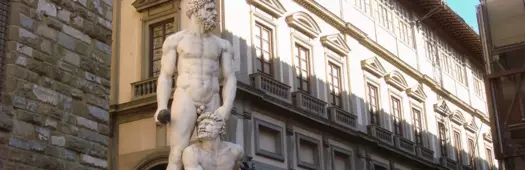
Schlendert durch Piazzen und antike Straßen in der Wiege der Renaissance
Walking Tour
|
60 mins
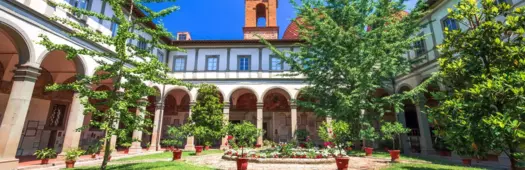
Scopri la Firenze autentica passeggiando tra piazze vivaci e vicoli
Walking Tour
|
60 mins
New Tour
No ratings yet
$8.99
Download the app for free
VoiceMap
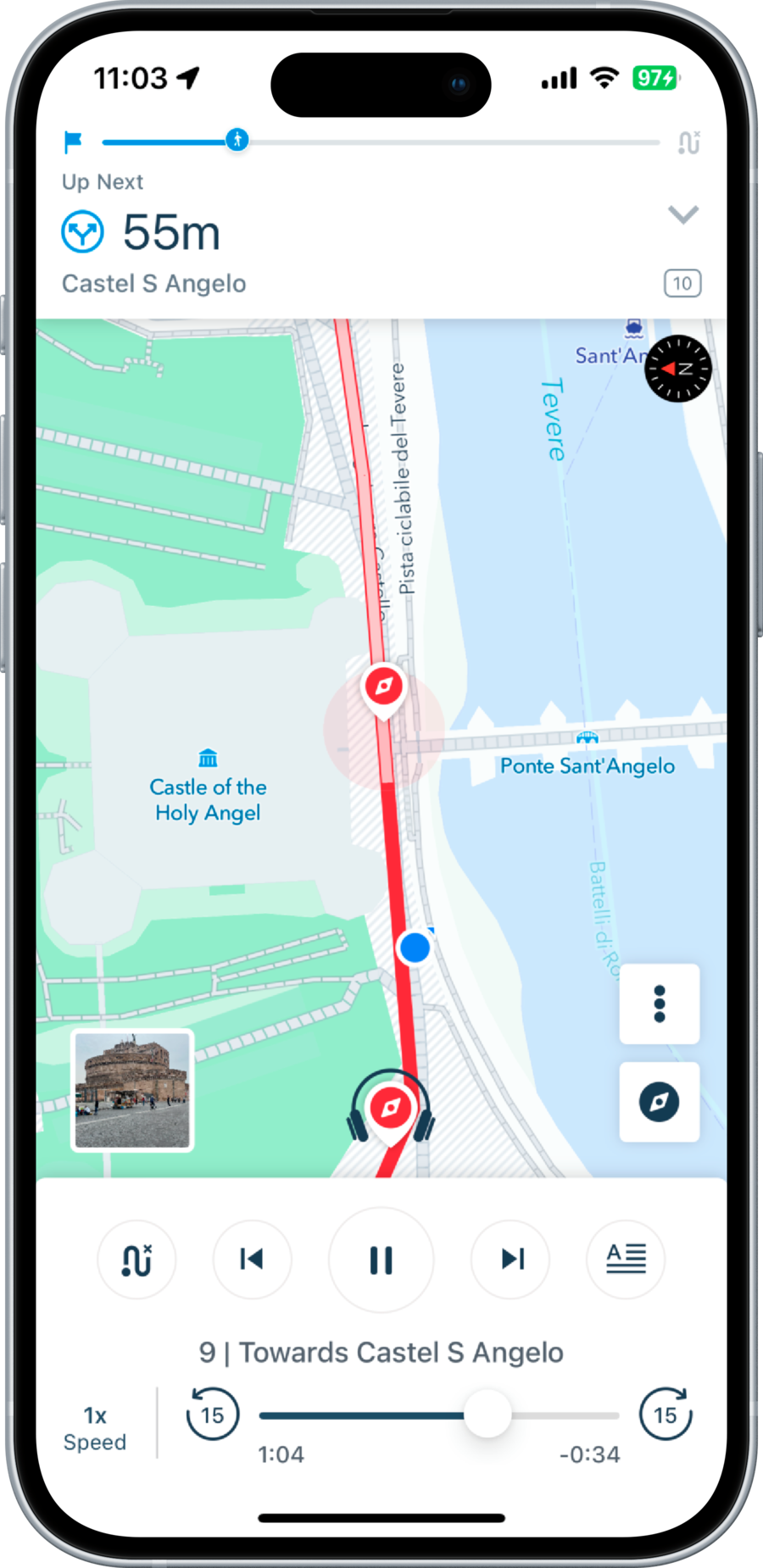
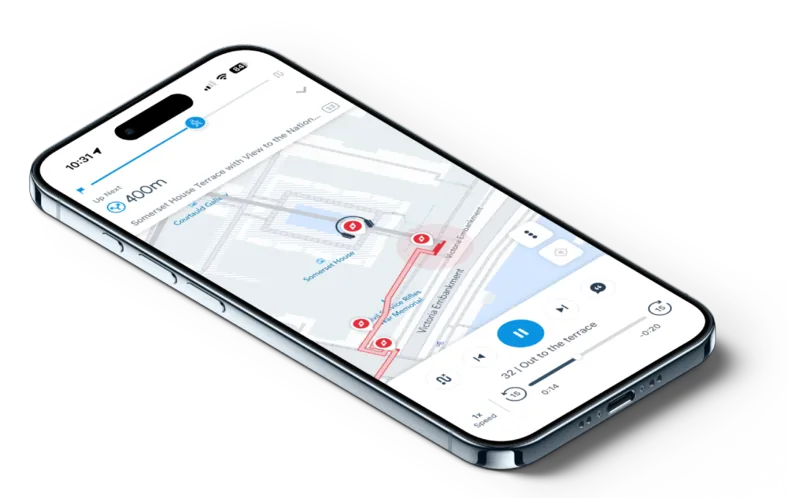
- Download tours to use them offline
- Listen hands-free with GPS playback
- Get turn-by-turn directions


Scan to get app
Download the app for free
VoiceMap




 App of the Day

 Editor’s Choice






Itchy feet? Us too
VoiceMap’s newsletter scratches that itch and stimulates your senses,
every fortnight. Curiosity is the only currency you need to subscribe.

Exploring is easier with a VoiceMap account
To purchase tours, add them to a wishlist, or access them with the VoiceMap app, please sign in or create a VoiceMap account


Exploring is easier with a VoiceMap account
To purchase tours, add them to a wishlist, or access them with the VoiceMap app, please sign in or create a VoiceMap account