





ATTRACTION
The Brandenburg Gate,
Berlin

About
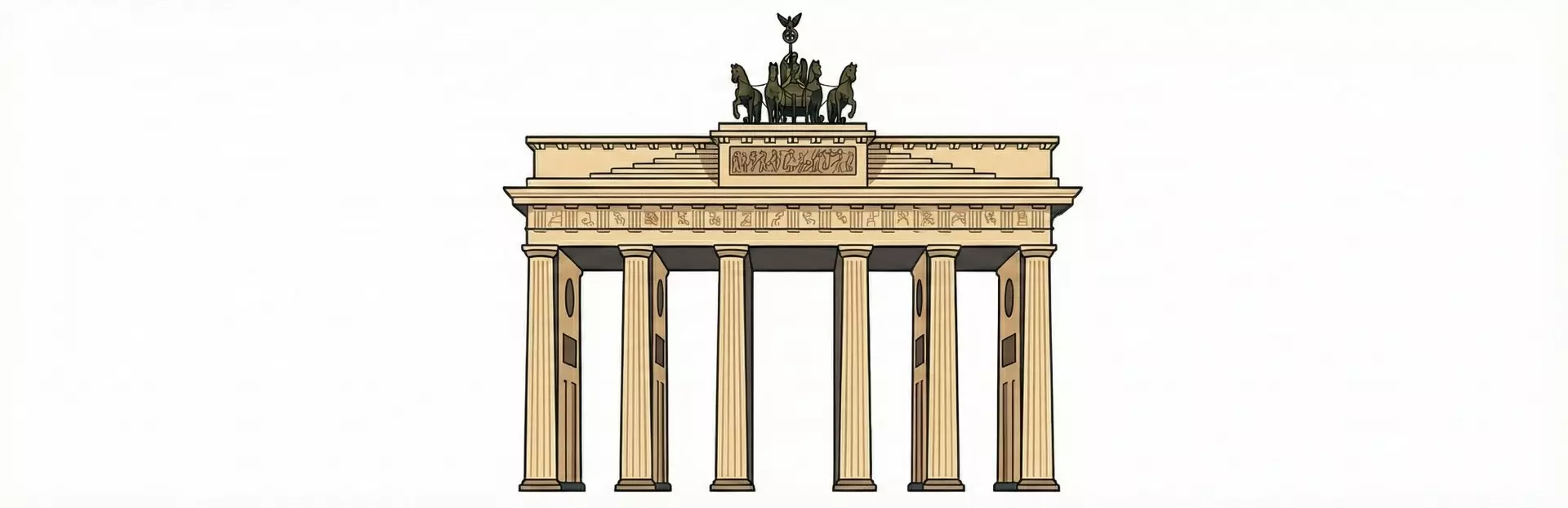
The Brandenburg Gate is the only survivor of the 18 gates that once surrounded old Berlin.
Built in 1788 and modelled after a Greek temple, it was designed by Carl Gotthard Langhans and finished in 1793. Napoleon marched through it in 1806 and dismantled the Quadriga, the four-horse chariot carrying Victoria, goddess of victory, as war booty. Outraged Prussians retrieved it from Paris in 1814 and restored it in a gigantic festival.
In 1933, Hitler's torchlit parade streamed through the gate. Jewish painter Max Liebermann, who lived next door, watched from his window and famously remarked that he couldn't eat enough to vomit as much as he wanted to. The gate stood isolated in the death strip between the two Berlin Walls from 1961 to 1989. When the Wall fell on November 9, 1989, crowds surged here to celebrate, some climbing onto the gate itself.
VoiceMap's self-guided audio tours trace the gate's transformation from Prussian triumph to Nazi spectacle and Cold War symbol, revealing how its five passages witnessed Ronald Reagan's demand to tear down the Wall and the euphoric night when history suddenly happened.
Built in 1788 and modelled after a Greek temple, it was designed by Carl Gotthard Langhans and finished in 1793. Napoleon marched through it in 1806 and dismantled the Quadriga, the four-horse chariot carrying Victoria, goddess of victory, as war booty. Outraged Prussians retrieved it from Paris in 1814 and restored it in a gigantic festival.
In 1933, Hitler's torchlit parade streamed through the gate. Jewish painter Max Liebermann, who lived next door, watched from his window and famously remarked that he couldn't eat enough to vomit as much as he wanted to. The gate stood isolated in the death strip between the two Berlin Walls from 1961 to 1989. When the Wall fell on November 9, 1989, crowds surged here to celebrate, some climbing onto the gate itself.
VoiceMap's self-guided audio tours trace the gate's transformation from Prussian triumph to Nazi spectacle and Cold War symbol, revealing how its five passages witnessed Ronald Reagan's demand to tear down the Wall and the euphoric night when history suddenly happened.

Tours featuring the Brandenburg Gate (3)


Modern History
Top Sights
Social Movements
Explore Berlin's often tumultuous and endlessly fascinating history

 Walking Tour
|
 20 mins

Modern History
Social Movements
Top Sights
See the city’s tragic history reflected in its iconic and lesser-known landmarks
 Walking Tour
|
90 mins

Berlins Geschichte am Beispiel von bekannten und verborgenen Sehenswürdigkeiten
Walking Tour
|
75 mins
Download the app for free
VoiceMap
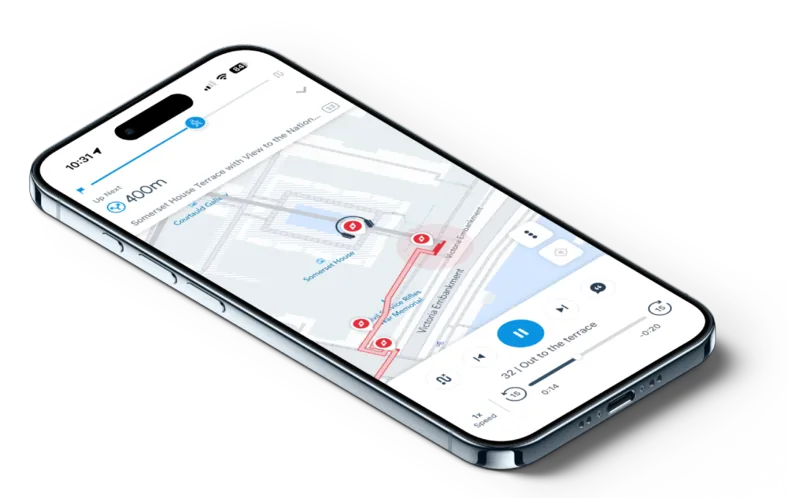
- Download tours to use them offline
- Listen hands-free with GPS playback
- Get turn-by-turn directions


Scan to get app
Download the app for free
VoiceMap




 App of the Day

 Editor’s Choice





Itchy feet? Us too
VoiceMap’s newsletter scratches that itch and stimulates your senses,
every fortnight. Curiosity is the only currency you need to subscribe.

Exploring is easier with a VoiceMap account
To purchase tours, add them to a wishlist, or access them with the VoiceMap app, please sign in or create a VoiceMap account


Exploring is easier with a VoiceMap account
To purchase tours, add them to a wishlist, or access them with the VoiceMap app, please sign in or create a VoiceMap account