







ATTRACTION
The Hellenic Parliament,
Athens

About
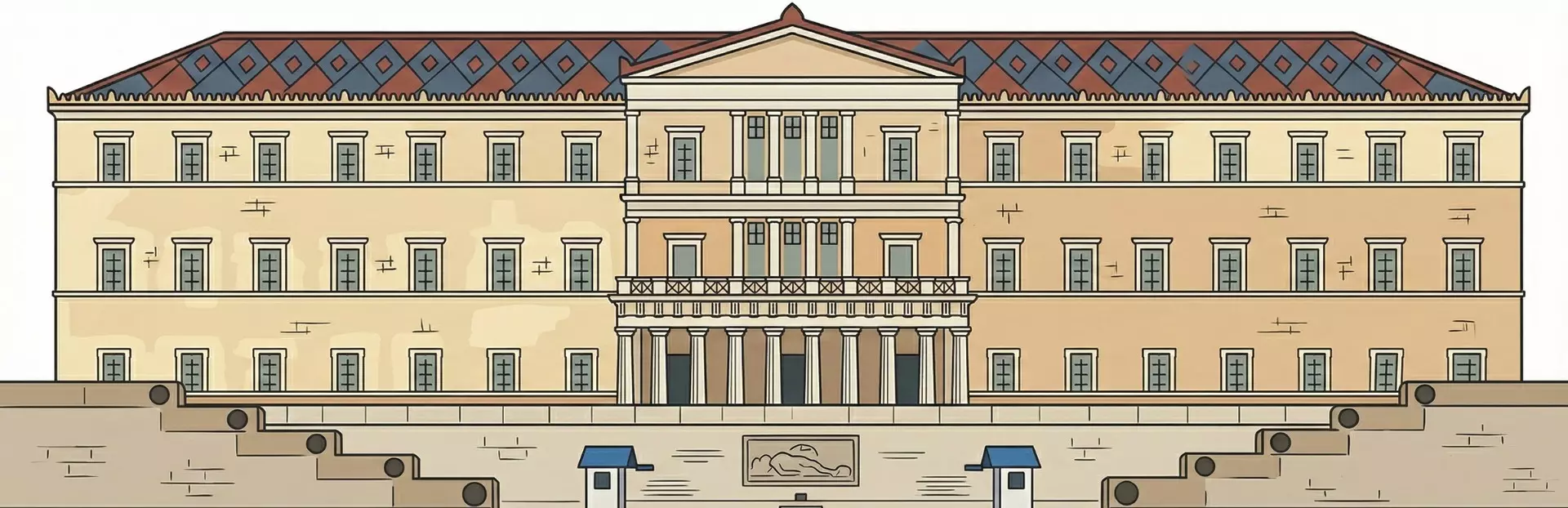
The Hellenic Parliament began as a palace for a teenage king. In 1843, Bavarian architect Friedrich von Gärtner designed it for Otto, the 17-year-old second son of Bavaria's King Ludwig I, who'd been handed Greece's throne by treaty. The neoclassical design reflected both reverence for ancient Athens and the aspirations of a newly independent nation.
Otto's reign ended messily in 1862. By 1929, after major renovations, the building had found a more suitable purpose as parliament. It has housed Greece's legislature ever since. Outside, Evzones guard the Monument to the Unknown Soldier in white skirts with 400 pleats, each marking a year of Ottoman rule. Their red shoes have spikes beneath that create a distinctive click as they march.
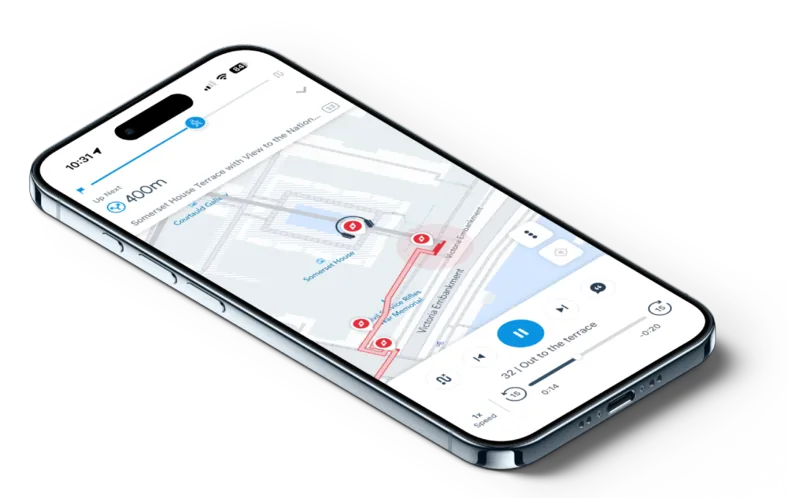
VoiceMap's self-guided audio tours trace the building's transformation from royal residence to democratic institution, connecting its architecture to Athens' emergence as a modern capital and explaining how a Bavarian teenager's palace became the seat of Greek self-governance.
Otto's reign ended messily in 1862. By 1929, after major renovations, the building had found a more suitable purpose as parliament. It has housed Greece's legislature ever since. Outside, Evzones guard the Monument to the Unknown Soldier in white skirts with 400 pleats, each marking a year of Ottoman rule. Their red shoes have spikes beneath that create a distinctive click as they march.
VoiceMap's self-guided audio tours trace the building's transformation from royal residence to democratic institution, connecting its architecture to Athens' emergence as a modern capital and explaining how a Bavarian teenager's palace became the seat of Greek self-governance.

Tours featuring the Hellenic Parliament (3)

Ancient History
Neighbourhoods
Local Legends
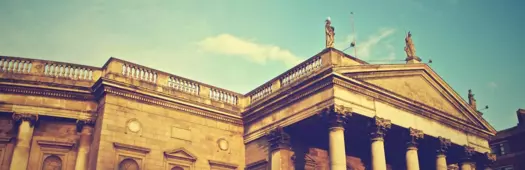
Take a walk through central Athens to discover some of its architectural gems

 Walking Tour
|
 60 mins
Photography
Ancient History
Literature
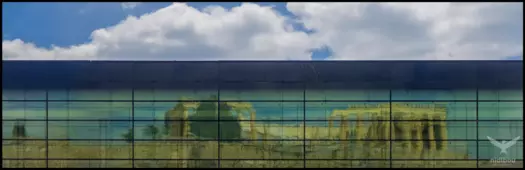
Take in central Athens and its history with a pro photographer as your guide
 Walking Tour
|
90 mins

Neighbourhoods
Architecture
Ancient History
Learn about the city's past, from the first Olympics to more modern milestones
 Walking Tour
|
75 mins
Download the app for free
VoiceMap
- Download tours to use them offline
- Listen hands-free with GPS playback
- Get turn-by-turn directions


Scan to get app
Download the app for free
VoiceMap




 App of the Day

 Editor’s Choice






Itchy feet? Us too
VoiceMap’s newsletter scratches that itch and stimulates your senses,
every fortnight. Curiosity is the only currency you need to subscribe.

Exploring is easier with a VoiceMap account
To purchase tours, add them to a wishlist, or access them with the VoiceMap app, please sign in or create a VoiceMap account


Exploring is easier with a VoiceMap account
To purchase tours, add them to a wishlist, or access them with the VoiceMap app, please sign in or create a VoiceMap account