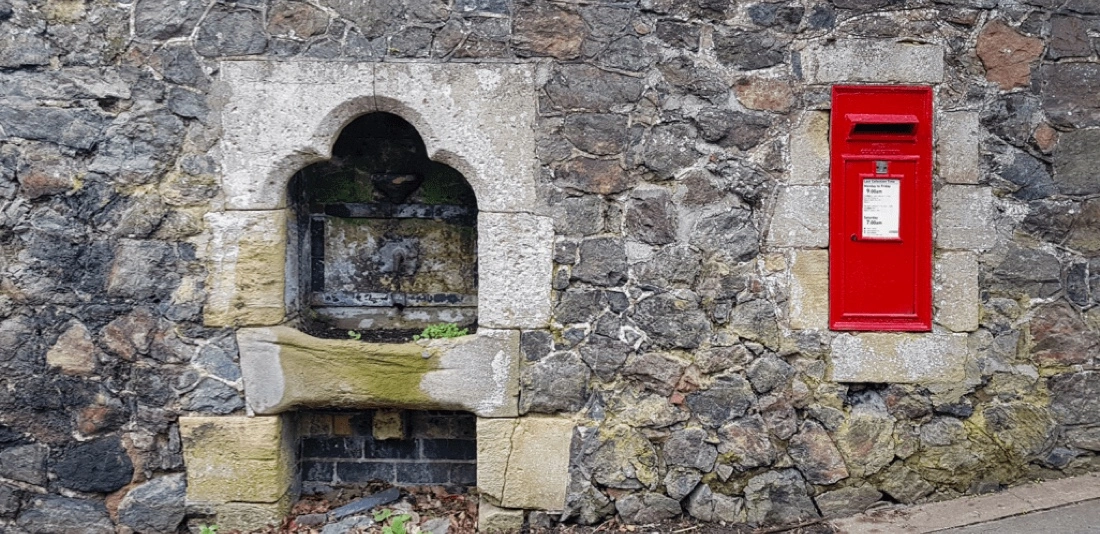
The History of Trade in Singapore - from Chinatown to Boat Quay




 Buy for a Group
 Reviews
 About the Tour
 About the Tour
Step outside the Chinatown Heritage Centre and you're already standing on top of history. The alleys you're about to walk were once the lifeblood of one of the most strategically important trading cities on earth — a place where desperate migrants, colonial ambition, and raw commercial instinct collided to create something the world had never quite seen before.
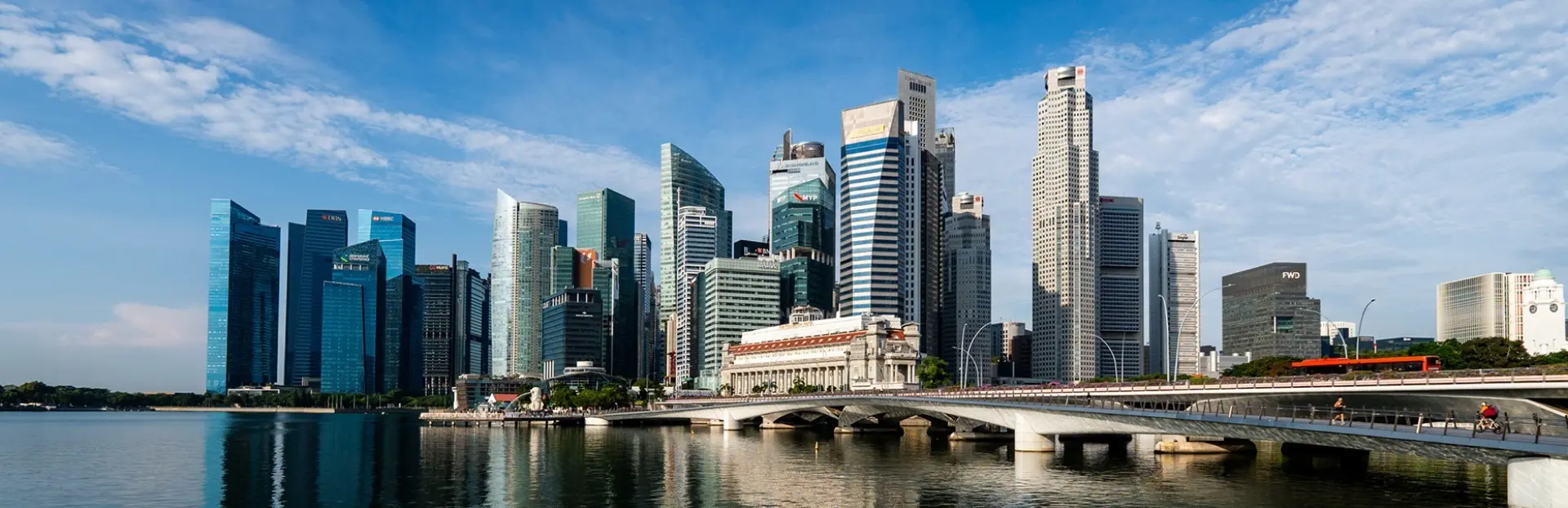
This walk takes you from the heart of Chinatown, through its layered streets and sacred spaces, and out along the banks of the Singapore River to Boat Quay — the stretch of waterfront that once handled nearly three quarters of all trade flowing in and out of old Singapore.
The story begins with the Chinese migrants who arrived in their thousands during the 19th century, stepping off junk boats with wide eyes and empty pockets, fleeing war and political turmoil in China's Fujian province. They settled on the south bank of the Singapore River and built a community from almost nothing — shophouses stacked above workshops, incense curling from temples wedged between trading halls, the clatter of chinaware sellers on Temple Street mixing with the hammer of tin and blacksmiths.
Along the way, you'll discover just how densely layered this neighbourhood really is. The Buddha Tooth Relic Temple, funded by 420 kilograms of donated gold, stands beside the Sri Mariamman Temple — the oldest Hindu temple in Singapore, built in 1827 — and the Jamae Mosque, erected in 1826 by immigrants from South India. Three faiths, within a few hundred metres of each other. That tension and coexistence is the soul of this place.
Pagoda Street, which looks charming today, was once a warren of opium dens and coolie quarters. Smith Street — now a covered food street serving dishes beloved by merchants and labourers of a century ago — was home to a Cantonese opera theatre until a World War II bombing brought the curtain down for good.
As you leave Chinatown and approach the river, the scale of what was built here starts to come into focus. The Singapore River was not just a waterway — it was the entire point of Singapore's existence. Flat-bottomed tongkangs ferried goods from larger vessels anchored at the river's mouth, unloading into the shophouses and warehouses lining the banks. The belly-shaped curve of the river near Boat Quay — said to resemble the belly of a carp, an auspicious symbol in Chinese tradition — became the city's commercial engine.
Walking the north bank, you pass the Parliament of Singapore, the old Parliament building now converted into The Arts House, and the spot where a statue of Sir Stamford Raffles marks his original 1819 landing point. He arrived with a clear imperial brief: establish a British trading post on the Malay peninsula. The island he chose was called Singapura — Lion City in Malay. He could not have imagined what it would become.
The walk ends at Raffles Place, across Cavenagh Bridge — the last remaining suspension bridge in Singapore. Here, where labourers once bent double unloading jute sacks from boats, glass and steel towers now rise above cafe terraces. The warehouses became shophouses. The shophouses became restaurants. The trading post became a global financial centre.
What this walk offers is something rare: the physical experience of that transformation, told through streets, temples, bridges and river bends — no guide required, just your feet, your ears, and a city that still carries its past in every stone.
Tour Producer
 Tour Producer

Kenn Delbridge

I've spent decades with headphones on, mixing TV soundtracks on over 400 documentaries for National Geographic, Discovery, BBC and others. Somewhere between the neon rhythms of nighttime Tokyo & the gentle surf on pristine Bali beaches, I found my sweet spot: using sound to drive narratives.
Now I create walking tours that let you experience Asian cities the way I do: through sound. I grew up in Hong Kong and have been in Singapore for 30 years. Every city has its own frequency and you haven't really experienced a place until you've been sonically immersed while experiencing it in real-time.
I'm an award-winning sound designer, sure, but I'm someone who gets genuinely excited by using the power of spoken words to give true insight to the heart of a city.
What resonates most with me is bringing a city alive for the listener, that they might "Hear. Here." in Asia.
Save with Passes
 How do passes work?



Preview Location
 Preview Location
Location 6
Buddha Tooth Relic Temple and Museum
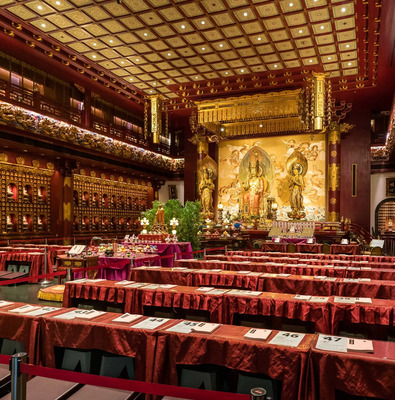
The central cauldron at the entrance is normally full of smoking joss sticks, left by devotees seeking answers to prayers. Stop near it and look at the temple.
The name of this temple is the Buddha Tooth Relic Temple and M... Read More
 View locations and route

How VoiceMap Works






Major Landmarks
 Major Landmarks
-
Parliament in Singapore
-
The Arts House
-
Asian Civilisations Museum
-
Sri Miramman Temple
-
Cavenagh Bridge
Getting There
 Getting There
Route Overview
-
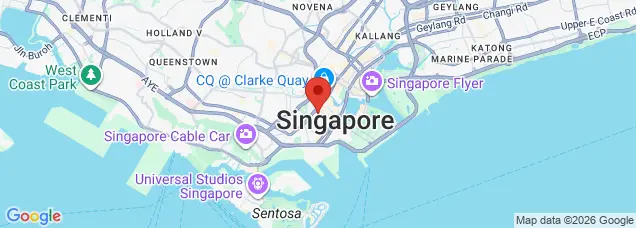
Start location48 Pagoda St, Singapore 059207
-
Total distance3km
-
Final location1 Raffles Pl, Singapore 048616
-
Distance back to start location956.13m


Directions to Starting Point
Start from the Chinatown Heritage Centre on Pagoda Street in Chinatown. If using the MRT subway, go to Chinatown and used Exit A that will bring you to the Pagoda Street Exit
 Show Directions


Tips
 Tips
Tips
Places to stop along the way
Buddha Tooth Relic Temple & Museum, Sri Mariamman Temple, Coleman Bridge, Boat Quay, Raffles Landing Point, Asian Civilisations Museum, Raffles Place.
Best time of day
Early morning or late afternoon, to avoid the peak heat of 11am - 3pm.
Precautions
Remember that Singapore is a hot climate so you need to stay hydrated. There are plenty of convenience stores along this route that have cold bottled water for a dollar or two, and remember to use sunscreen
Get The App
 Get The App





 Last Updated
 Questions and Reviews