






There’s More to Moorgate: From Londinium to Edwardian London




 Buy for a Group
 Reviews
 About the Tour
 About the Tour
Do you long to get off the well-worn London tourist trail and see more of the city’s hidden corners? If so, this walking tour is the one for you. Moorgate is probably not on most people’s lists of top locations to visit, but it’s oozing with history, from the first Roman settlement through to the early 1900s.
As a born and bred Londoner, the city’s history has always fascinated me, and I started to put together tours around ten years ago. It’s really important to me that you not only get to see and hear about the locations and buildings on the route, but you also hear stories about the people who once lived there.
On this walk, I'll introduce you to a slightly crazy Elizabethan Doctor, the most feared man in Tudor England, and an unlucky delivery boy who got a clip round the ear for attending to a call of nature. Along the way, I’ll tell you tales about:
- The Roman city of Londinium
- Medieval Moorgate
- The prelude to the English Civil War
- Victorian architecture
- 20th century espionage
Whether it’s your first time in the capital or you’re a local who’s curious about Moorgate, this tour is a valuable introduction to this London neighbourhood’s rich history.
Allow approximately an hour for this walk if you plan on keeping strictly to the route. There are also a couple of opportunities to explore further which will add another 30 minutes or so if you choose to take them. There are plenty of pubs, cafes, restaurants and food outlets if you feel the need to take some time out during the tour.
Tour Producer
 Tour Producer
Steve Matthews

I’ve been guiding in London since 2010, and in that time I’ve led thousands of people through the backstreets, river paths, and half‑forgotten corners that rarely make it into the guidebooks. My work is rooted in years of on‑the‑ground experience, a lot of digging through old maps and archives, and a genuine fascination with how London’s past still shapes the city we walk through today.
What began as a hobby has grown into a long‑standing practice of researching local history — from lost streets and vanished industries to the characters who left their mark on the place. I keep my tours updated with new findings, fresh angles, and the odd surprising detail that brings a street or story to life.
I specialise in the parts of London people often overlook, helping visitors and locals alike see the echoes and footprints hidden in plain sight. My aim is simple: to share the stories I’ve gathered over the years with accuracy, enthusiasm, and a real affection for this endlessly surprising city. Whether you’re joining me for the first time or returning for another walk, you can expect a well‑researched, engaging, and reliable tour shaped by more than a decade of experience.

Save with London audio tour passes
How do passes work?

Preview Location
 Preview Location
Location 6
Moorgate Place
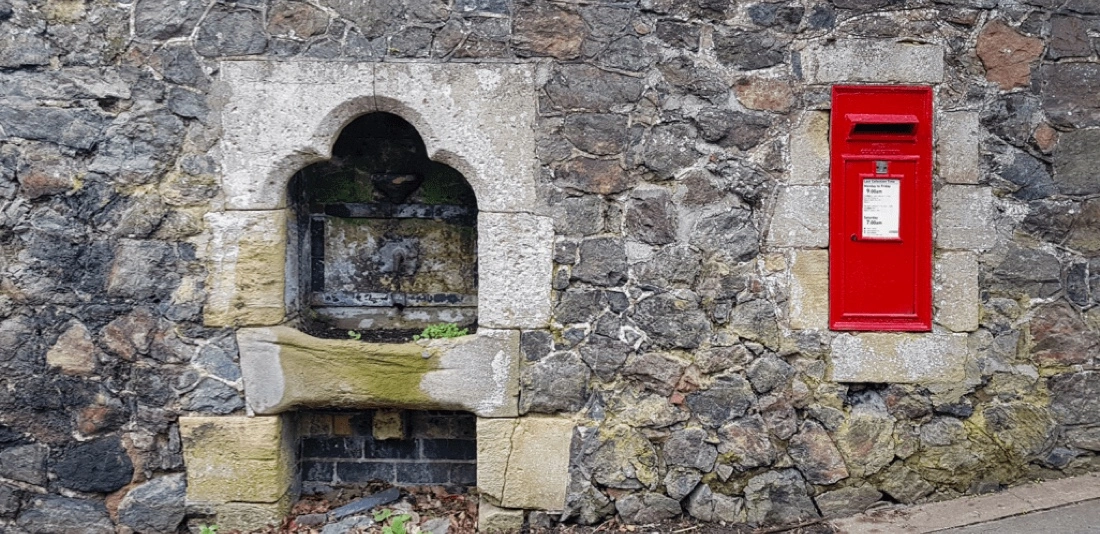
The first is the head of Old King Ludd, who is supposedly the founder of pre-Roman London. He seems to be the contrivance of the 11th century Scholar Geoffrey of Monmou...
 View locations and route

How VoiceMap Works







Major Landmarks
 Major Landmarks
-
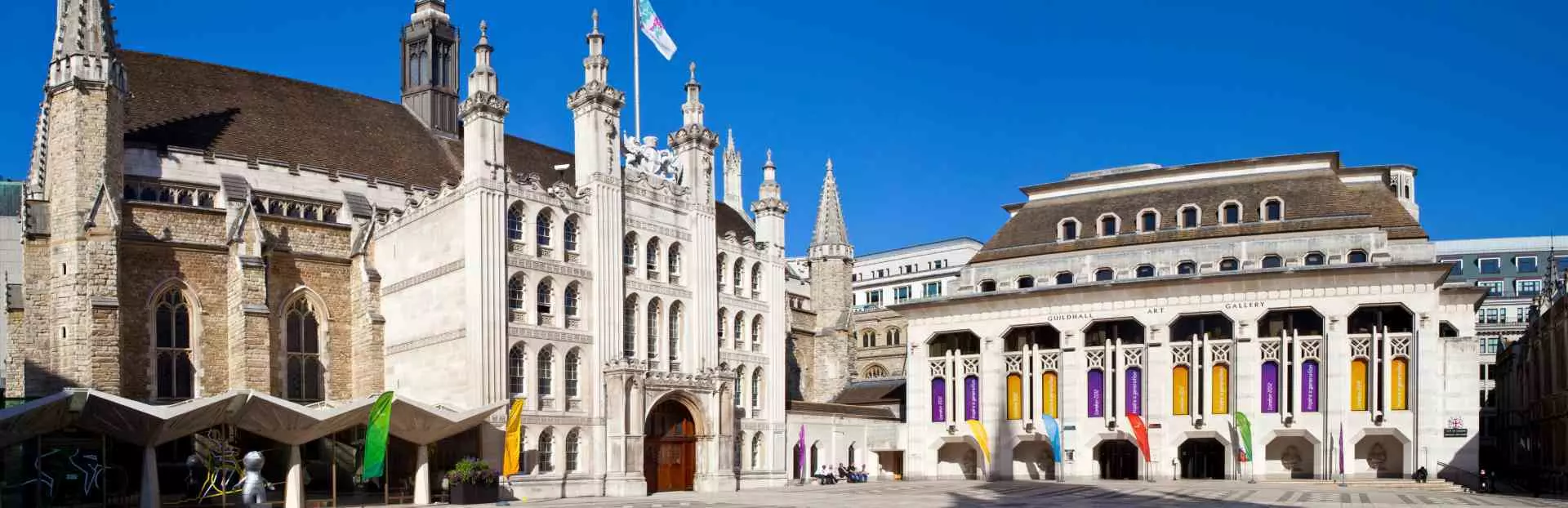
Guildhall

-
Bank of England
-
Austin Friars
Getting There
 Getting There
Route Overview
-
Start locationMoorgate, London, UK
-
Total distance2km
-
Final locationCarpenters’ Hall, London, UK
-
Distance back to start location53.44m


Directions to Starting Point
The tour begins on the street called "London Wall", just a short walk from Moorgate or Liverpool Street Underground Stations. Once you've found London Wall you need to stand directly opposite the entrance to Finsbury Circus which is a lovely public garden.
There is at the time of publishing a temporary Covid Testing Station set up in the Guildhall Plaza. This stops access from Masons Avenue. Listen to the Masons Avenue commentary, then continue along Basinghall Street, turning right onto Gresham Street. After a few yards there is an opening on your right that will lead you back into the Guildhall Plaza where you can rejoin the commentary.
 Show Directions



Tips
 Tips
Tips
Places to stop along the way
There are plenty of coffee shops and takeaways at the beginning of the tour. If you're looking to take a break for lunch most restaurants are situated after you've reached the Guildhall, although there are many excellent pubs all along the route where you can get a good meal.
Best time of day
From dawn till dusk, seven days a week. If you walk the tour at night it does give some of the streets an atmospheric feel. Try to avoid rush hour traffic in the mornings and afternoons. The quietest time is between 7am - 12pm on a Sunday.
Precautions
The area is heavily populated with office workers, so there are always plenty of people about during the day, just watch out for traffic when crossing the roads, especially bicycles as many streets have cycle lanes. The area becomes quieter after the working day has ended.
Get The App
 Get The App




Scan to get app
Download the app for free
VoiceMap




 App of the Day

 Editor’s Choice


Questions and Reviews
 Questions and Reviews