



ATTRACTION
The White House,
Washington, D.C.


About
The White House, at 1600 Pennsylvania Avenue, is the world's most closely watched address, yet its origins are surprisingly modest.
It was designed by Irish architect James Hoban, who modelled it on the parliament building in Dublin. Hoban built it in 1800, then had to rebuild it in 1814 after the British burned it during the War of 1812. The name itself came later: Teddy Roosevelt made it official in 1901, formalising what people had long called it after the regular paint jobs needed to keep the scorched stonework presentable.
For most of its early history, there was no fence. Anyone could walk up and knock on the door, and during Andrew Jackson's 1829 inaugural party, supporters got so rowdy inside that staff lured them out with kegs of ale, then locked the doors behind them. Staffers reported the smell of cheese ground into the carpets for months.
VoiceMap's self-guided audio tours use the White House to trace the city's political geography, connecting it to the Capitol via Pennsylvania Avenue, explaining how the Treasury was placed deliberately to block the two buildings' sightlines, and exploring Lafayette Park's role in the building's history as cemetery, racetrack and, on one occasion, emergency party venue.
It was designed by Irish architect James Hoban, who modelled it on the parliament building in Dublin. Hoban built it in 1800, then had to rebuild it in 1814 after the British burned it during the War of 1812. The name itself came later: Teddy Roosevelt made it official in 1901, formalising what people had long called it after the regular paint jobs needed to keep the scorched stonework presentable.
For most of its early history, there was no fence. Anyone could walk up and knock on the door, and during Andrew Jackson's 1829 inaugural party, supporters got so rowdy inside that staff lured them out with kegs of ale, then locked the doors behind them. Staffers reported the smell of cheese ground into the carpets for months.
VoiceMap's self-guided audio tours use the White House to trace the city's political geography, connecting it to the Capitol via Pennsylvania Avenue, explaining how the Treasury was placed deliberately to block the two buildings' sightlines, and exploring Lafayette Park's role in the building's history as cemetery, racetrack and, on one occasion, emergency party venue.

Tours featuring the White House (3)

Local Legends
Modern History
Crime And Mystery
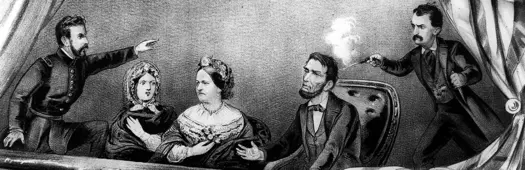
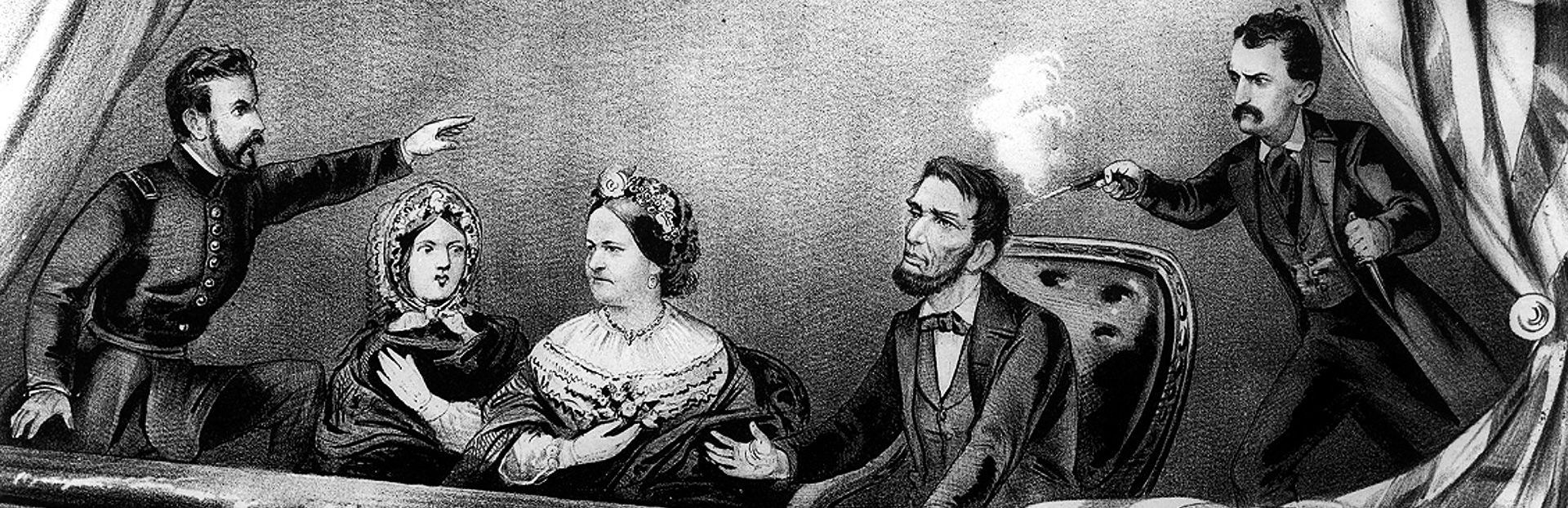
Trace Lincoln's final day, and the path Booth followed while stalking him

 Walking Tour
|
 40 mins
Top Sights
Modern History
Local Legends
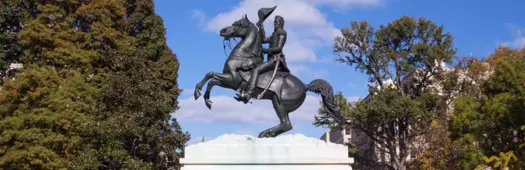
Cover the revolutionary intrigue that gave shape to America on a 15 minute tour
Walking Tour
|
15 mins
Food And Drink
Nightlife
Ghosts And Hauntings
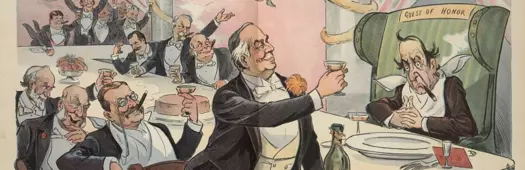
Drink in the after-hours tales and exploits of the most powerful people on earth
Walking Tour
|
60 mins
Download the app for free
VoiceMap
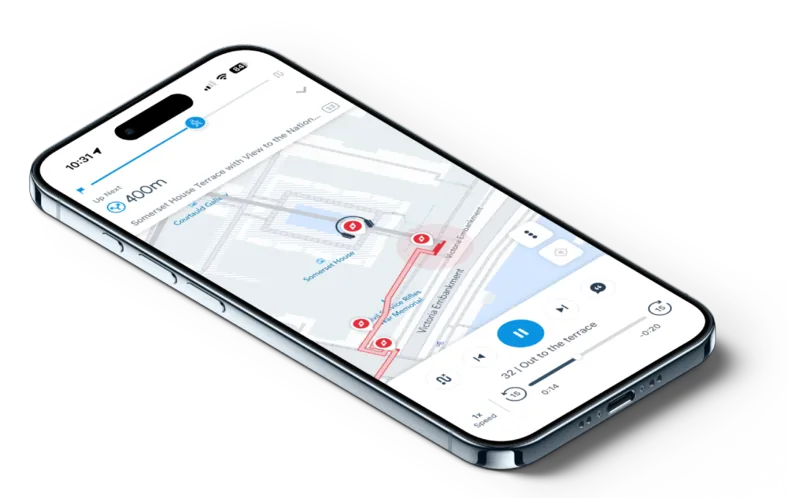
- Download tours to use them offline
- Listen hands-free with GPS playback
- Get turn-by-turn directions


Scan to get app
Download the app for free
VoiceMap




 App of the Day

 Editor’s Choice



Explore Washington, D.C.
26 self-guided VoiceMap tours you
can do at your own pace
View Washington, D.C. Tours



Itchy feet? Us too
VoiceMap’s newsletter scratches that itch and stimulates your senses,
every fortnight. Curiosity is the only currency you need to subscribe.

Exploring is easier with a VoiceMap account
To purchase tours, add them to a wishlist, or access them with the VoiceMap app, please sign in or create a VoiceMap account


Exploring is easier with a VoiceMap account
To purchase tours, add them to a wishlist, or access them with the VoiceMap app, please sign in or create a VoiceMap account