







ATTRACTION
Louvre Pyramid,
Paris


About
The Louvre Pyramid sparked outrage when it opened in 1989. Critics called I.M. Pei's glass structure everything from a carbuncle to a conspiracy. Rumours swirled that it contained 666 glass panels, a sure sign of Satan. In fact, there are 673.
Pei's design solved a practical problem: how to create a single entrance for a museum spread across 60,000 square metres. He carved an underground hall from Napoleon's Court and covered it with glass to bring light below. But the shape was deliberate provocation.
The pyramid represents Universal Knowledge in Freemasonic symbolism, fitting for a museum that opened during the Revolution as a repository of human achievement. Look closer, and you'll find not one pyramid but five: the main structure, three smaller versions, and an inverted fifth hidden underground.
VoiceMap's self-guided audio tours trace Pei's elaborate thinking, revealing how he commissioned Saint-Gobain, the same company that made Louis XIV's mirrors at Versailles, to manufacture the glass panels three centuries later.
Pei's design solved a practical problem: how to create a single entrance for a museum spread across 60,000 square metres. He carved an underground hall from Napoleon's Court and covered it with glass to bring light below. But the shape was deliberate provocation.
The pyramid represents Universal Knowledge in Freemasonic symbolism, fitting for a museum that opened during the Revolution as a repository of human achievement. Look closer, and you'll find not one pyramid but five: the main structure, three smaller versions, and an inverted fifth hidden underground.
VoiceMap's self-guided audio tours trace Pei's elaborate thinking, revealing how he commissioned Saint-Gobain, the same company that made Louis XIV's mirrors at Versailles, to manufacture the glass panels three centuries later.

Tours featuring Louvre Pyramid (1)
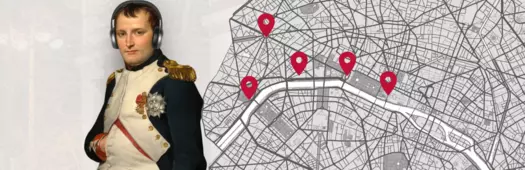

War And Military
Architecture
Royal Heritage
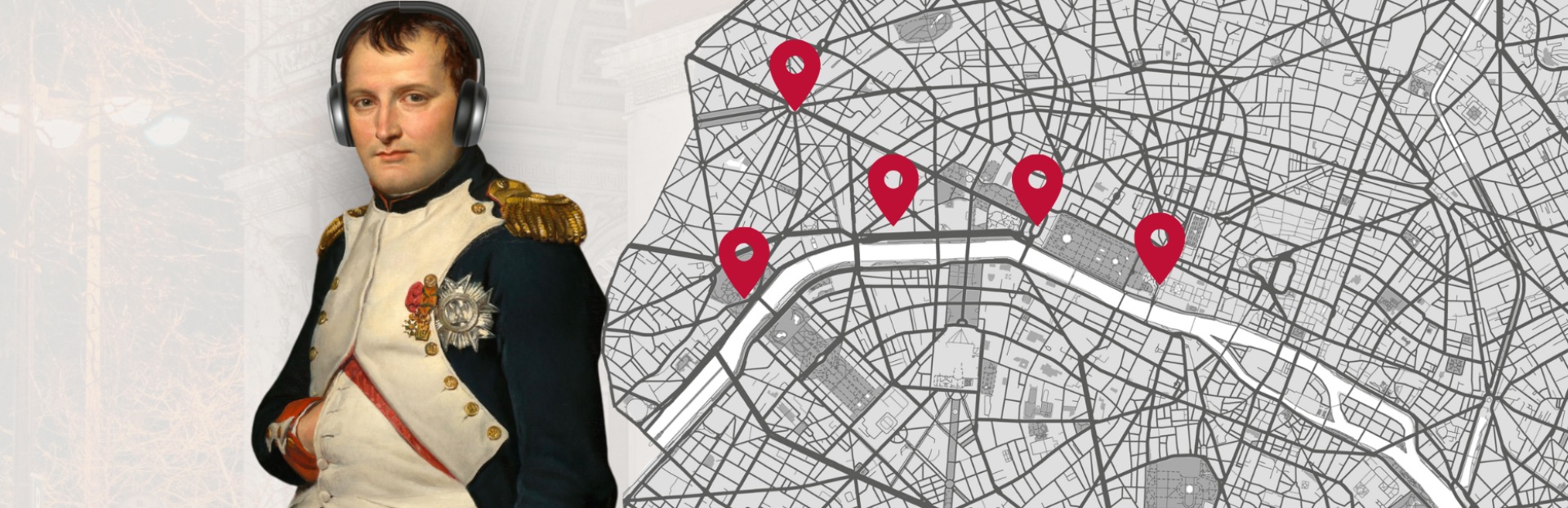
Follow royals and political figures through Paris’ iconic boulevards and gardens

 Walking Tour
|
 90 mins
Download the app for free
VoiceMap
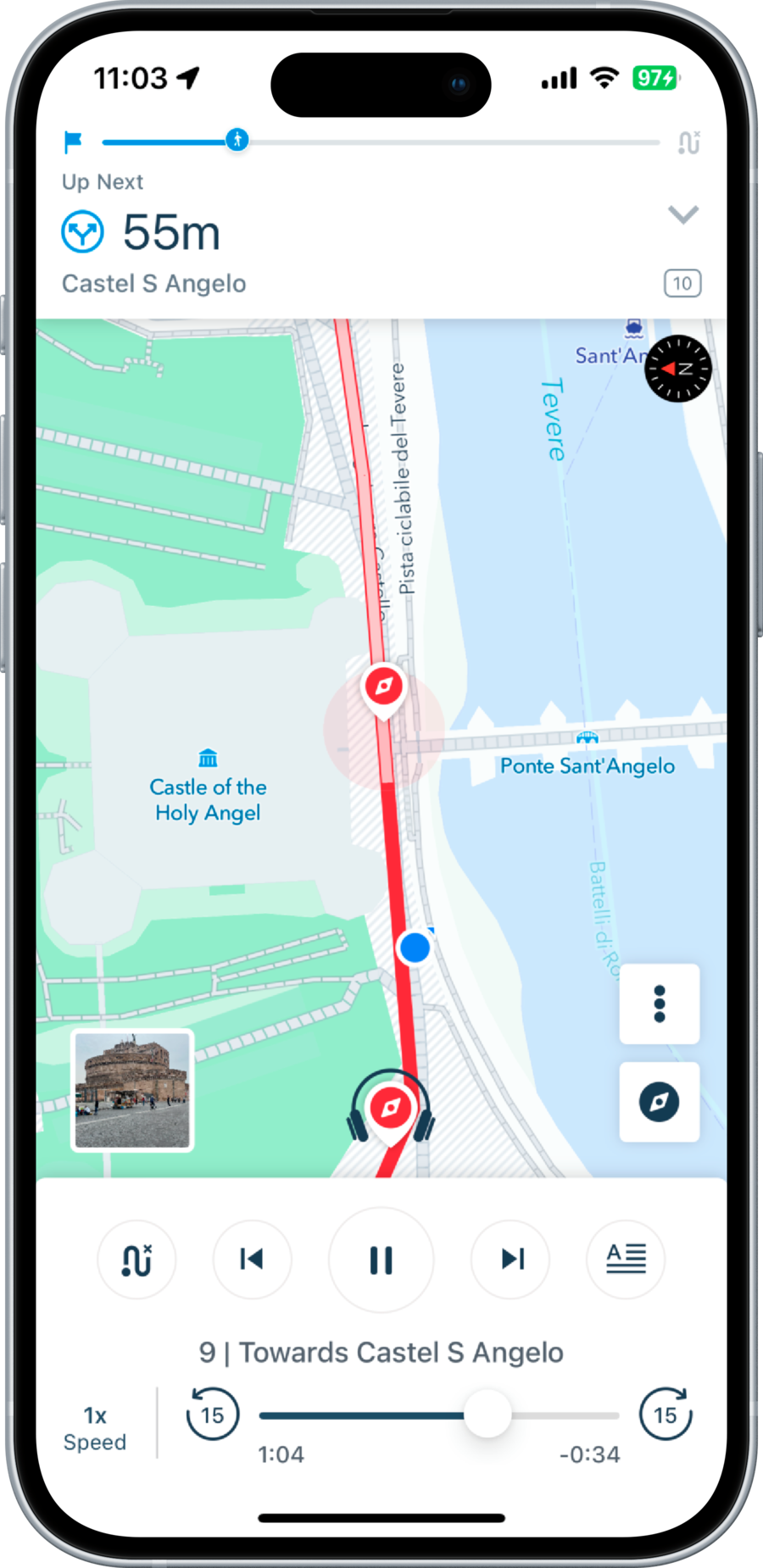
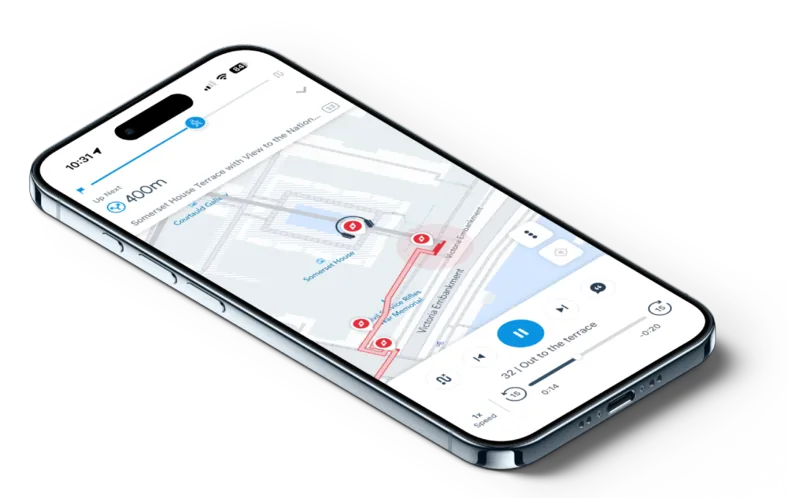
- Download tours to use them offline
- Listen hands-free with GPS playback
- Get turn-by-turn directions


Scan to get app
Download the app for free
VoiceMap




 App of the Day

 Editor’s Choice






Itchy feet? Us too
VoiceMap’s newsletter scratches that itch and stimulates your senses,
every fortnight. Curiosity is the only currency you need to subscribe.

Exploring is easier with a VoiceMap account
To purchase tours, add them to a wishlist, or access them with the VoiceMap app, please sign in or create a VoiceMap account


Exploring is easier with a VoiceMap account
To purchase tours, add them to a wishlist, or access them with the VoiceMap app, please sign in or create a VoiceMap account