







ATTRACTION
Conciergerie,
Paris

About
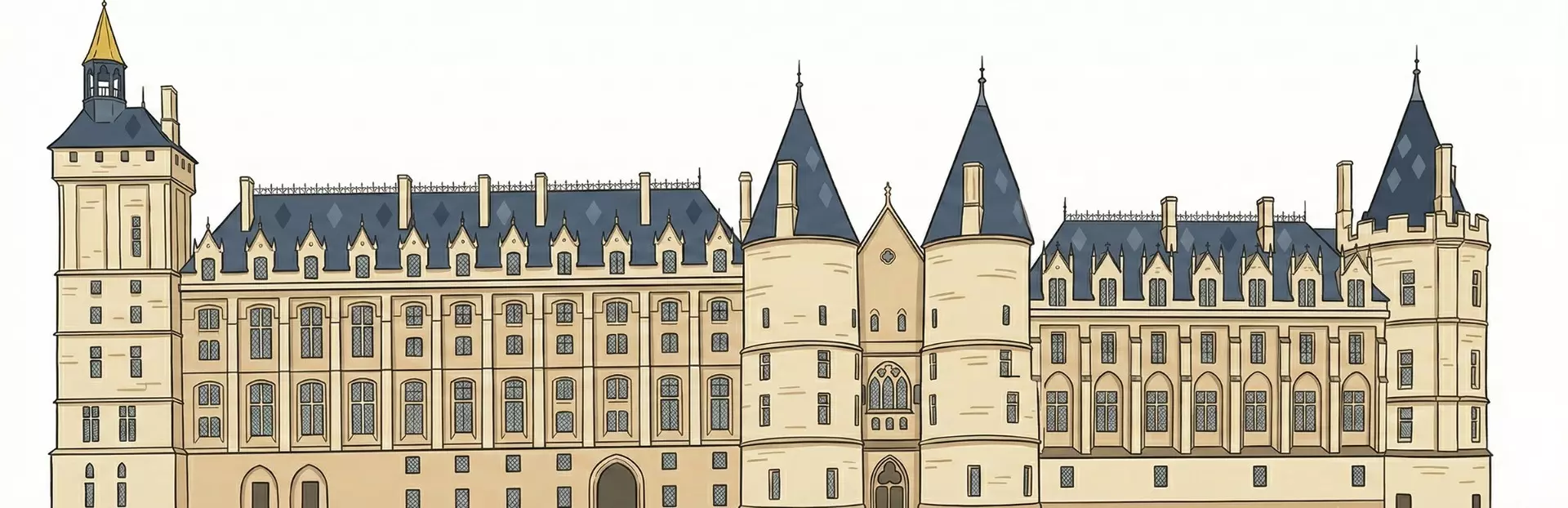
The Conciergerie began as a royal palace in the 1300s, its conical towers and Gothic façade rising from Île de la Cité, where Roman governors had built their fortress two millennia earlier. French kings abandoned it in 1370, and over time it became the seat of Parliament and residence of the concierge, a crown officer with judicial powers. That title stuck, even as the building's purpose darkened.
By the Revolution, it served as a prison. Marie Antoinette spent 76 days in a small, cold cell here before her execution, watched constantly and denied any news of her children. Marshal Rochambeau, the hero of Yorktown, barely escaped the guillotine from within these walls.
On the exterior, Paris's oldest clock has marked time since 1371, bearing the inscription: "He gives the hours, justice the laws."
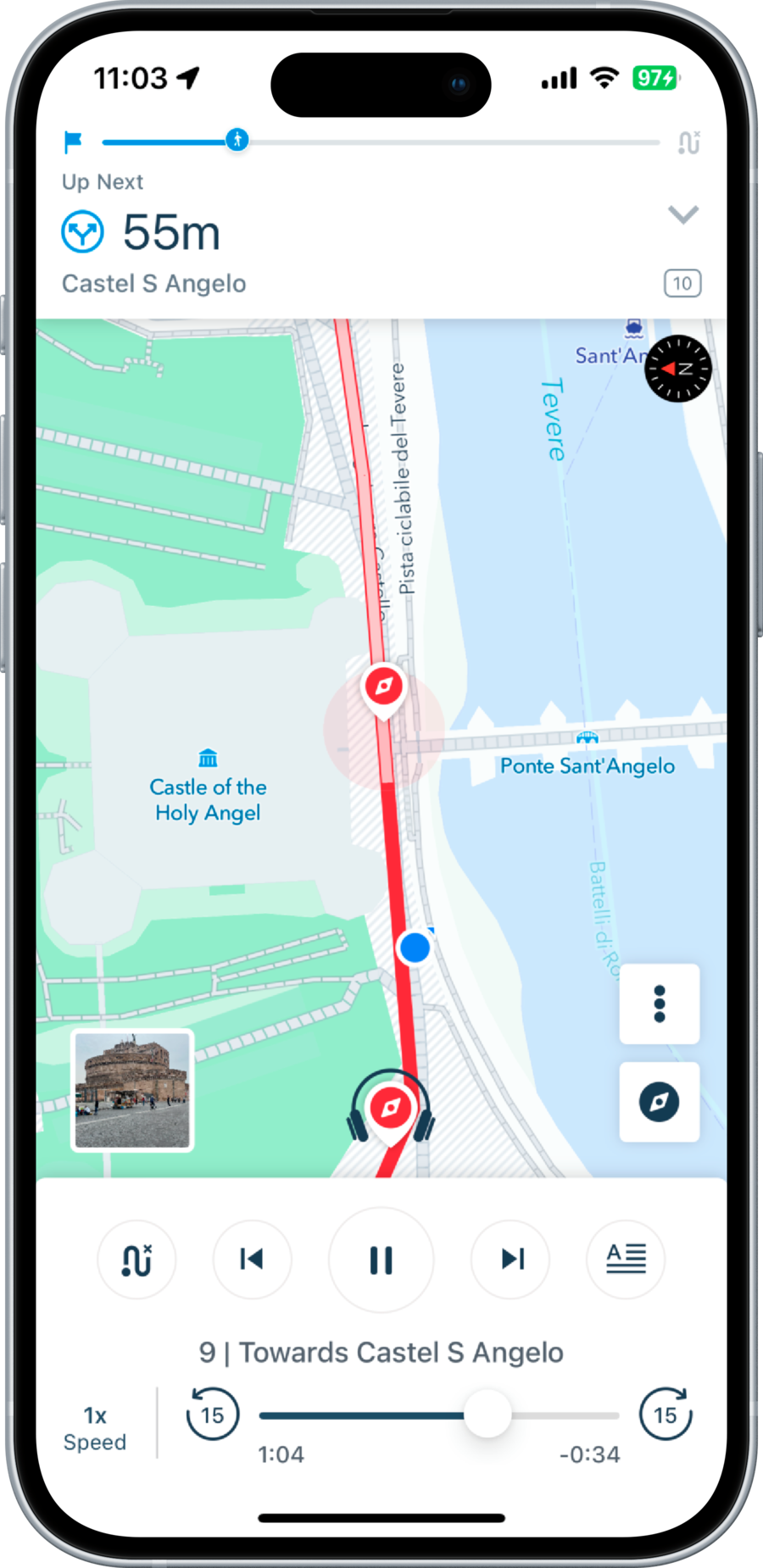
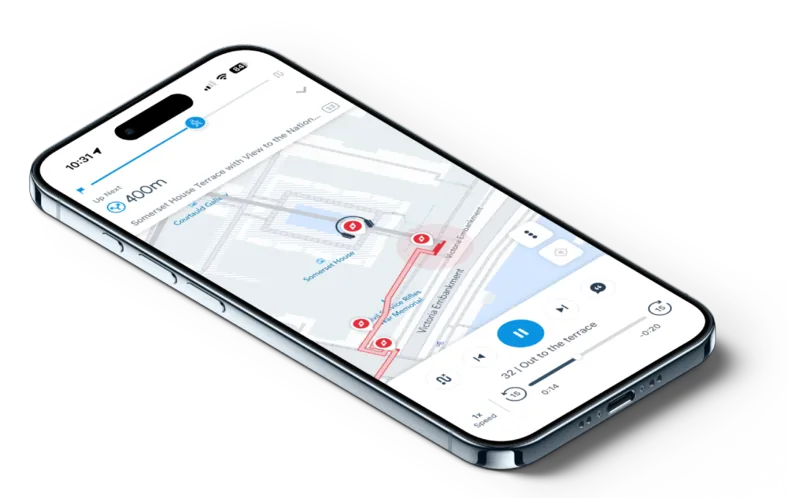
VoiceMap's self-guided audio tours trace the building's transformation from palace to prison, exploring the Gothic hall where the king's men once gathered and the sobering chapel built where Marie Antoinette awaited her fate.
By the Revolution, it served as a prison. Marie Antoinette spent 76 days in a small, cold cell here before her execution, watched constantly and denied any news of her children. Marshal Rochambeau, the hero of Yorktown, barely escaped the guillotine from within these walls.
On the exterior, Paris's oldest clock has marked time since 1371, bearing the inscription: "He gives the hours, justice the laws."
VoiceMap's self-guided audio tours trace the building's transformation from palace to prison, exploring the Gothic hall where the king's men once gathered and the sobering chapel built where Marie Antoinette awaited her fate.

Tours featuring Conciergerie (3)


Top Sights
Neighbourhoods
Medieval History
Discover how a small settlement on the Seine River grew into modern Paris

 Walking Tour
|
 120 mins

Neighbourhoods
Film And TV
Pop Culture
Retrace Jesse and Celine’s footsteps, taking in iconic filming locations
 Walking Tour
|
60 mins

Religious Sites
Architecture
Medieval History
Admire the iconic trio that's stood witness to centuries of tragedy and triumph
 Indoor Tour
|
120 mins
Download the app for free
VoiceMap
- Download tours to use them offline
- Listen hands-free with GPS playback
- Get turn-by-turn directions


Scan to get app
Download the app for free
VoiceMap




 App of the Day

 Editor’s Choice






Itchy feet? Us too
VoiceMap’s newsletter scratches that itch and stimulates your senses,
every fortnight. Curiosity is the only currency you need to subscribe.

Exploring is easier with a VoiceMap account
To purchase tours, add them to a wishlist, or access them with the VoiceMap app, please sign in or create a VoiceMap account


Exploring is easier with a VoiceMap account
To purchase tours, add them to a wishlist, or access them with the VoiceMap app, please sign in or create a VoiceMap account