







ATTRACTION
The Champs-Élysées,
Paris
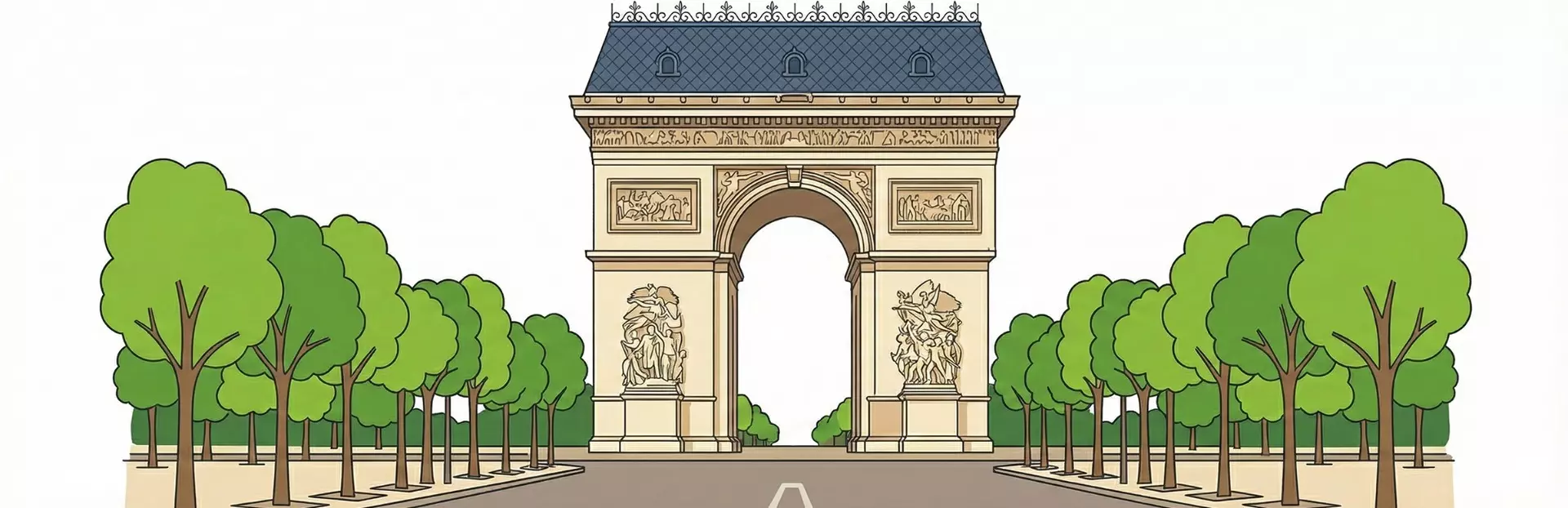

About
The Champs-Élysées takes its name from Greek mythology's Elysian Fields, the paradise where blessed souls spent eternity. The road was created in the 1660s when Louis XIV's garden landscaper André Le Nôtre extended the central alley of the Tuileries Garden into countryside beyond Paris's walls. Parisians drawn to stroll the gardens on either side began calling it the Champs-Élysées.
The 1.9-kilometre avenue divides neatly at its halfway point. The lower half preserves monuments and greenery, remnants of nineteenth-century elegance. The upper half surrendered long ago to commerce, where luxury brands jostle with mass-market appeal along one of the world's priciest retail addresses. The avenue has witnessed guillotine executions, Hitler's occupation march, De Gaulle's liberation parade, Tour de France finishes and World Cup celebrations.
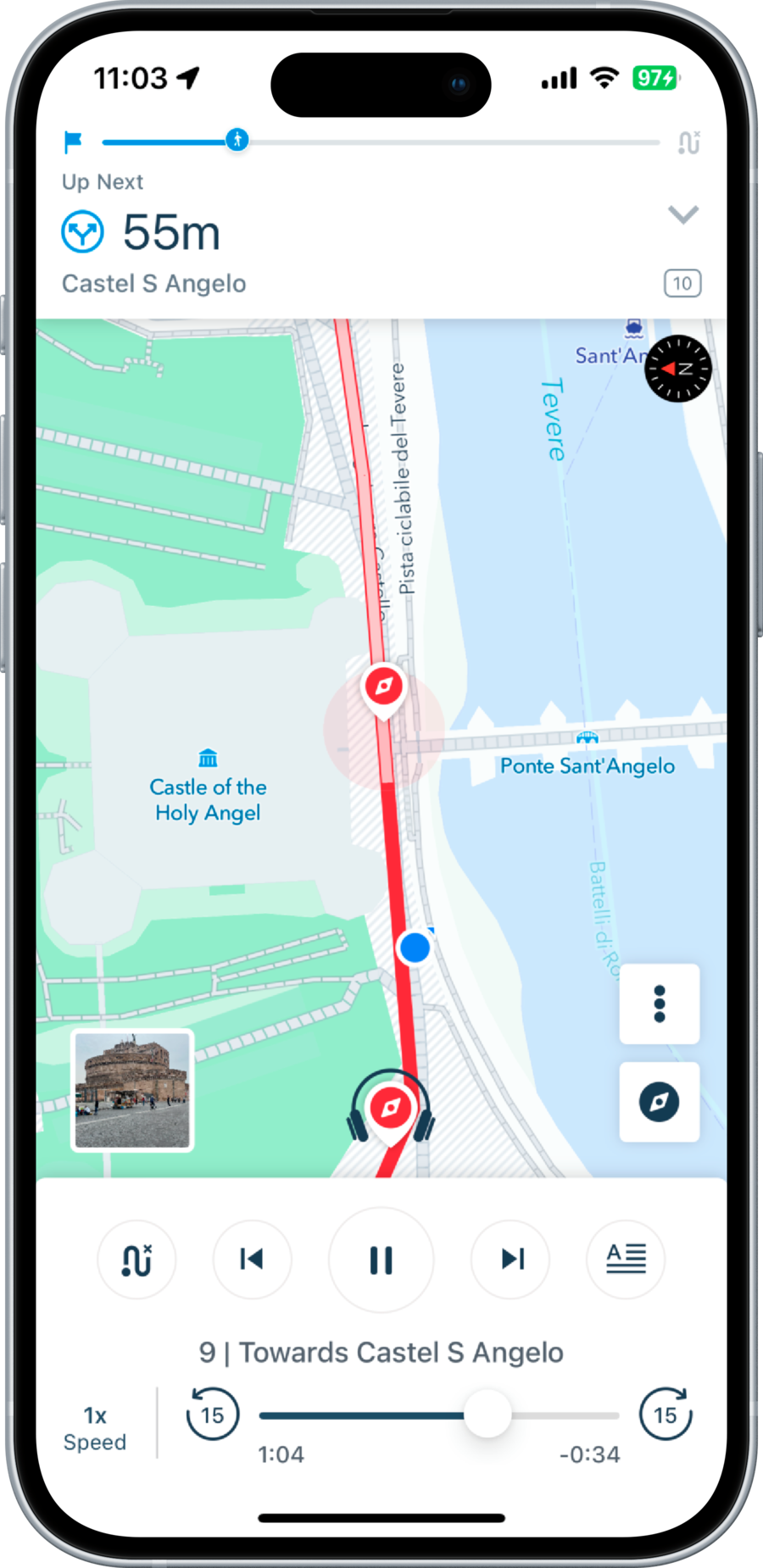
VoiceMap's self-guided audio tours trace the avenue's transformation from royal promenade to commercial showcase, explaining how Place de la Concorde's fountains map France's geography, where courtesan La Païva entertained in her sumptuous mansion, and why the 1900 World's Fair built exhibition halls that remain landmarks today.
The 1.9-kilometre avenue divides neatly at its halfway point. The lower half preserves monuments and greenery, remnants of nineteenth-century elegance. The upper half surrendered long ago to commerce, where luxury brands jostle with mass-market appeal along one of the world's priciest retail addresses. The avenue has witnessed guillotine executions, Hitler's occupation march, De Gaulle's liberation parade, Tour de France finishes and World Cup celebrations.
VoiceMap's self-guided audio tours trace the avenue's transformation from royal promenade to commercial showcase, explaining how Place de la Concorde's fountains map France's geography, where courtesan La Païva entertained in her sumptuous mansion, and why the 1900 World's Fair built exhibition halls that remain landmarks today.

Tours featuring the Champs-Élysées (3)
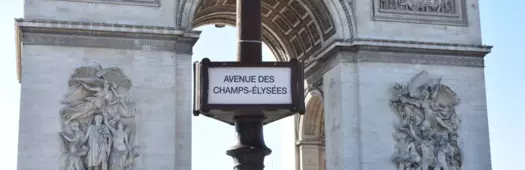

Architecture
Royal Heritage
Top Sights
Revel in the glory, glamour and glitz of Paris’ most iconic avenue

 Walking Tour
|
 90 mins
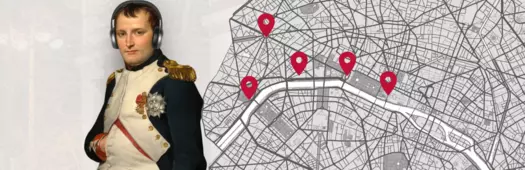
War And Military
Architecture
Royal Heritage
Follow royals and political figures through Paris’ iconic boulevards and gardens
 Walking Tour
|
90 mins
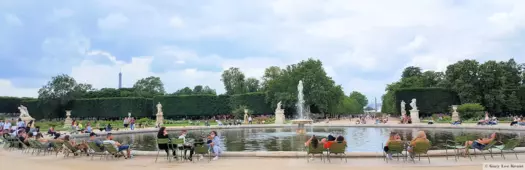
Royal Heritage
Scenic Routes
Parks And Gardens
Feel like royalty on a promenade through the grandfather of French gardens
Walking Tour
|
60 mins
Download the app for free
VoiceMap
- Download tours to use them offline
- Listen hands-free with GPS playback
- Get turn-by-turn directions


Scan to get app
Download the app for free
VoiceMap




 App of the Day

 Editor’s Choice







Itchy feet? Us too
VoiceMap’s newsletter scratches that itch and stimulates your senses,
every fortnight. Curiosity is the only currency you need to subscribe.

Exploring is easier with a VoiceMap account
To purchase tours, add them to a wishlist, or access them with the VoiceMap app, please sign in or create a VoiceMap account


Exploring is easier with a VoiceMap account
To purchase tours, add them to a wishlist, or access them with the VoiceMap app, please sign in or create a VoiceMap account