







ATTRACTION
Metropolitan Museum of Art,
New York City

About
The Metropolitan Museum of Art opened in 1870 after a group of New York businessmen returned from Paris determined to build something as grand as what they'd seen abroad. The first item they purchased was a Roman sarcophagus, followed by 174 European paintings. Since then, the Met has grown into America's largest art museum, with more than 1.5 million works spanning five millennia.
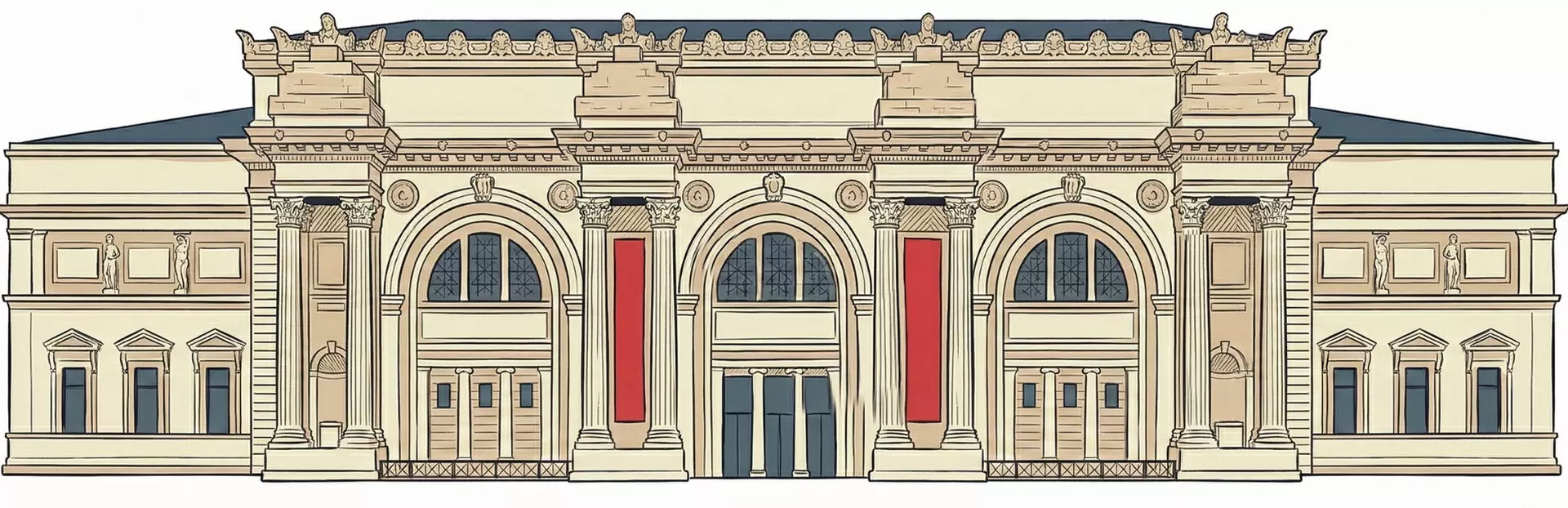
The building itself tells a story of architectural evolution. Calvert Vaux designed the original Gothic Revival structure in 1880, but Richard Morris Hunt later created the Beaux Arts façade and grand hall that now define the museum. Hunt's additions essentially buried Vaux's Gothic design, though traces survive in the Robert Lehman wing.
The collection includes unexpected Gilded Age transplants: Arabella Huntington's dressing room and a Cornelius Vanderbilt II fireplace, both removed whole from demolished mansions. The museum's official mascot is a small blue faïence hippo from ancient Egypt, affectionately named William.
VoiceMap's audio tours use the Met to trace how Gilded Age millionaires shaped New York's cultural landscape, connecting the museum's collection to the demolished mansions and collecting rivalries that defined the era.
The building itself tells a story of architectural evolution. Calvert Vaux designed the original Gothic Revival structure in 1880, but Richard Morris Hunt later created the Beaux Arts façade and grand hall that now define the museum. Hunt's additions essentially buried Vaux's Gothic design, though traces survive in the Robert Lehman wing.
The collection includes unexpected Gilded Age transplants: Arabella Huntington's dressing room and a Cornelius Vanderbilt II fireplace, both removed whole from demolished mansions. The museum's official mascot is a small blue faïence hippo from ancient Egypt, affectionately named William.
VoiceMap's audio tours use the Met to trace how Gilded Age millionaires shaped New York's cultural landscape, connecting the museum's collection to the demolished mansions and collecting rivalries that defined the era.

Tours featuring Metropolitan Museum of Art (2)


Architecture
Top Sights
Modern History
Marvel at Manhattan’s impressive mansions, once home to its scandalous elite

 Walking Tour
|
 75 mins

Architecture
Industrial Revolution
Film And TV
Admire the architecture and savor the scandals of Fifth Avenue’s old money set
 Walking Tour
|
90 mins
Download the app for free
VoiceMap
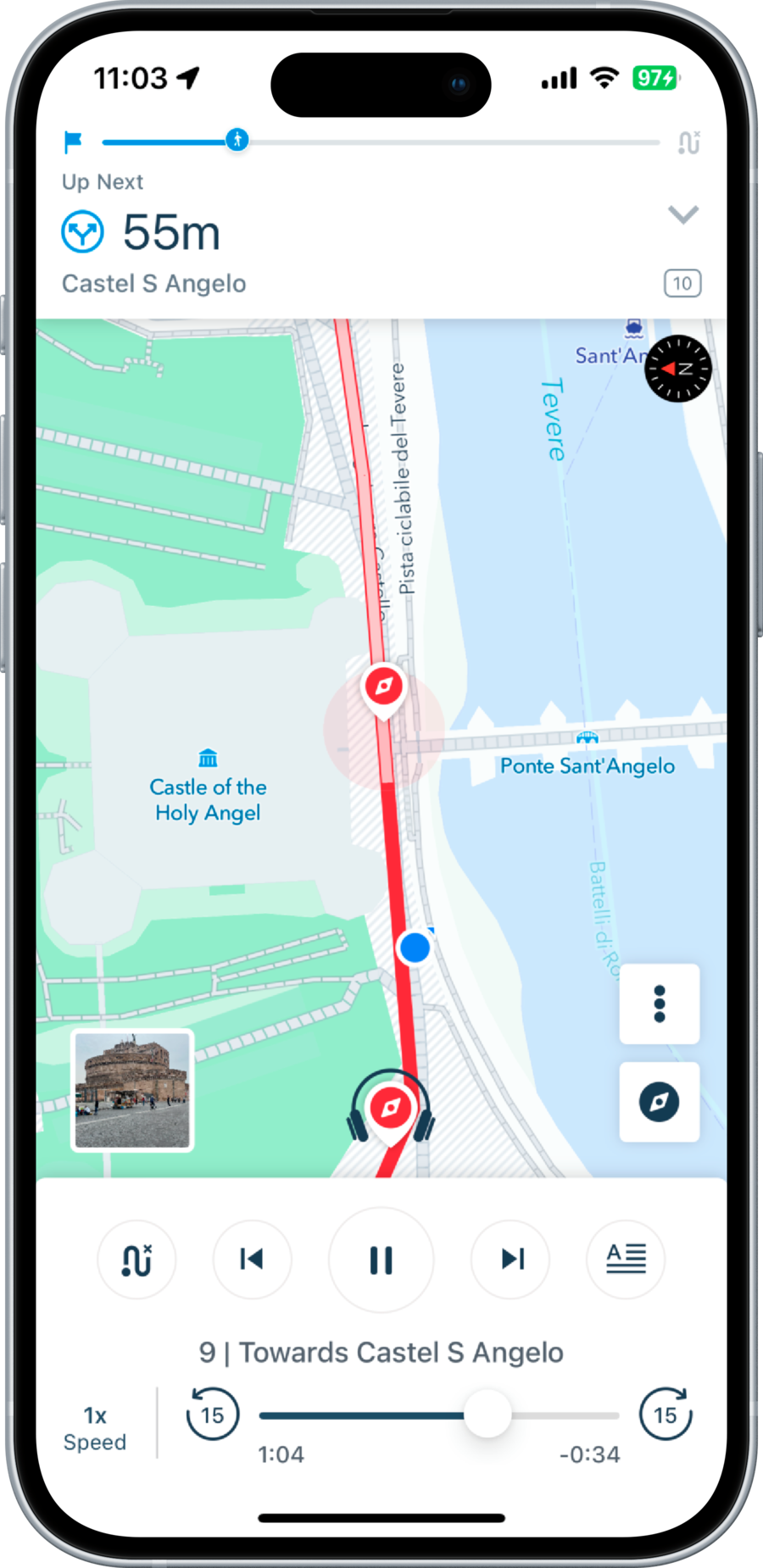
- Download tours to use them offline
- Listen hands-free with GPS playback
- Get turn-by-turn directions


Scan to get app
Download the app for free
VoiceMap




 App of the Day

 Editor’s Choice





Explore New York City
48 self-guided VoiceMap tours you
can do at your own pace
View New York City Tours



Itchy feet? Us too
VoiceMap’s newsletter scratches that itch and stimulates your senses,
every fortnight. Curiosity is the only currency you need to subscribe.

Exploring is easier with a VoiceMap account
To purchase tours, add them to a wishlist, or access them with the VoiceMap app, please sign in or create a VoiceMap account


Exploring is easier with a VoiceMap account
To purchase tours, add them to a wishlist, or access them with the VoiceMap app, please sign in or create a VoiceMap account