ATTRACTION
The Frick Collection,
New York City

About
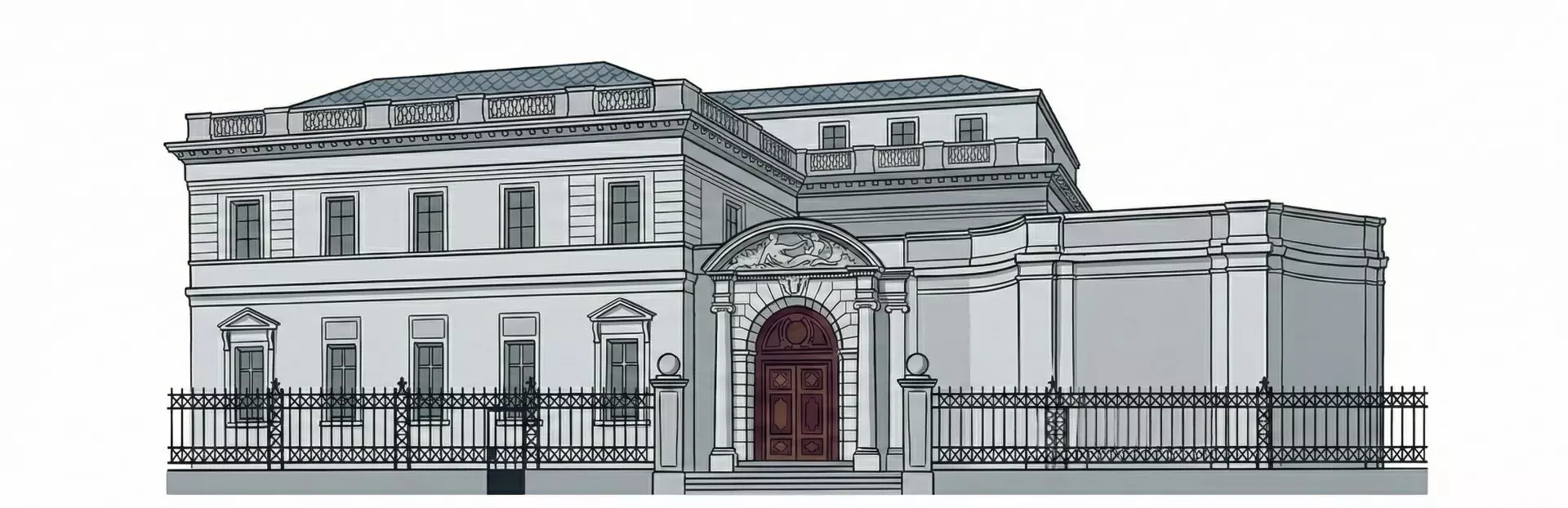
Henry Clay Frick's mansion on Fifth Avenue tells the story of an art collector with impeccable taste and a ruthless past.
Built in 1914 from Indiana limestone, the Beaux-Arts mansion was designed with deliberate generosity: Frick stipulated in his will that it should become a public gallery after his death. He didn't have long to enjoy it. He died in 1919, and the house opened as the Frick Collection in 1935.
Frick had made his fortune in coal and steel, working alongside Andrew Carnegie as the union-busting enforcer to Carnegie's philanthropic public face. That ruthlessness nearly cost him his life. In 1892, an anarchist named Beekman shot him in the neck and stabbed him four times, calling the act "the first terrorist act in America." Frick survived, and the assassination attempt paradoxically shifted public sympathy in his favour.
VoiceMap's audio tours use Frick's story to reveal the contradictions of the Gilded Age: how wealth can purchase both brutality and beauty, and how a man once reviled by workers came to be remembered as a generous steward of art.
Built in 1914 from Indiana limestone, the Beaux-Arts mansion was designed with deliberate generosity: Frick stipulated in his will that it should become a public gallery after his death. He didn't have long to enjoy it. He died in 1919, and the house opened as the Frick Collection in 1935.
Frick had made his fortune in coal and steel, working alongside Andrew Carnegie as the union-busting enforcer to Carnegie's philanthropic public face. That ruthlessness nearly cost him his life. In 1892, an anarchist named Beekman shot him in the neck and stabbed him four times, calling the act "the first terrorist act in America." Frick survived, and the assassination attempt paradoxically shifted public sympathy in his favour.
VoiceMap's audio tours use Frick's story to reveal the contradictions of the Gilded Age: how wealth can purchase both brutality and beauty, and how a man once reviled by workers came to be remembered as a generous steward of art.

Tours featuring the Frick Collection (2)


Architecture
Top Sights
Modern History
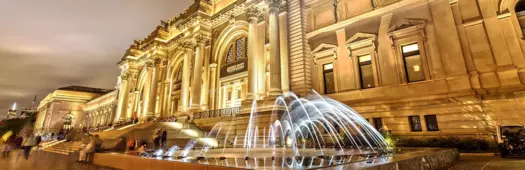
Marvel at Manhattan’s impressive mansions, once home to its scandalous elite

 Walking Tour
|
 75 mins
Architecture
Industrial Revolution
Film And TV
Admire the architecture and savor the scandals of Fifth Avenue’s old money set
 Walking Tour
|
90 mins



Explore New York City
43 self-guided VoiceMap tours you
can do at your own pace
View New York City Tours



Itchy feet? Us too
VoiceMap’s newsletter scratches that itch and stimulates your senses,
every fortnight. Curiosity is the only currency you need to subscribe.

Exploring is easier with a VoiceMap account
To purchase tours, add them to a wishlist, or access them with the VoiceMap app, please sign in or create a VoiceMap account


Exploring is easier with a VoiceMap account
To purchase tours, add them to a wishlist, or access them with the VoiceMap app, please sign in or create a VoiceMap account